On this page
A 2026 planning range
As of August 2026, published U.S. cost guides put deck-railing repairs at $25 to $100 per linear foot and replacement at $50 to $250 per linear foot. A standard whole-job replacement commonly falls around $900 to $1,800. The extent of damage, railing material, and condition of the deck framing usually change the price most.
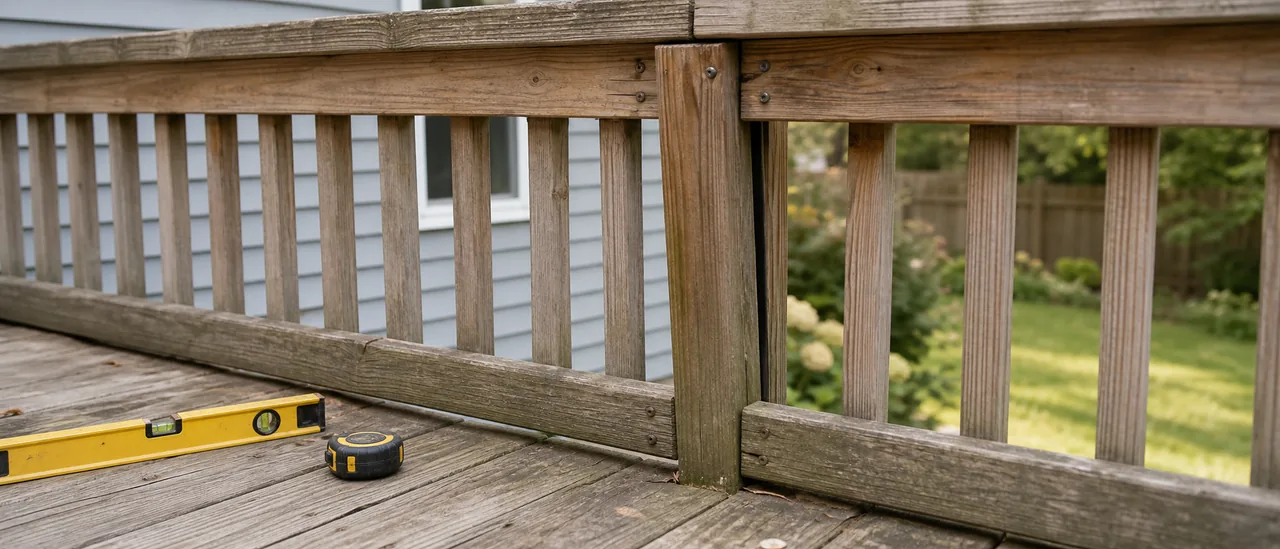
These are planning figures, not a diagnosis or quote. “Unsafe railing” is not one repair category. It may describe loose fasteners, a failed post connection, deteriorated material, missing components, or a guard that does not meet the requirements applied by the local authority.
| Planning scenario | Published cost reference | What can move it |
|---|---|---|
| Localized repair | $25–$100 per linear foot | Number of loose or damaged sections, access, matching the existing finish |
| Standard replacement | $900–$1,800 total | Overall length, ordinary materials, labor rates, removal |
| Extensive or custom replacement | $50–$250 per linear foot | Premium material, stairs, corners, difficult access, damaged supports |
The rows are not fixed bids, and they can overlap. A short custom section can cost more per foot than a long, straightforward wood railing. Conversely, replacing hardware on an otherwise sound assembly may stay below a full replacement price.
What an estimate should include
A useful estimate should define the measured railing length and identify which posts, rails, balusters, or connections will be repaired or replaced. It should also state whether labor, materials, removal, disposal, finish work, and permit fees are included.
The price may change after removal exposes concealed rot or an inadequate attachment. Work beyond the railing—such as repairing rim boards, joists, stairs, or other supports—should be separated from the railing price so the expanded scope is clear.
Compare the scope, not just the total
Ask each estimator to use the same railing length, repair-versus-replacement assumption, material, finish, permit allowance, and supporting-deck scope. Otherwise, two totals may describe different jobs.
The main cost drivers
The biggest variables are practical rather than cosmetic:
- Repair depth: tightening accessible hardware costs less than rebuilding posts or replacing complete sections.
- Length and layout: stairs, gates, corners, and many post locations add fitting and labor time.
- Material and finish: wood, metal, composite, cable, and glass have different material and installation costs.
- Access: elevated decks, tight yards, and difficult debris removal can increase labor.
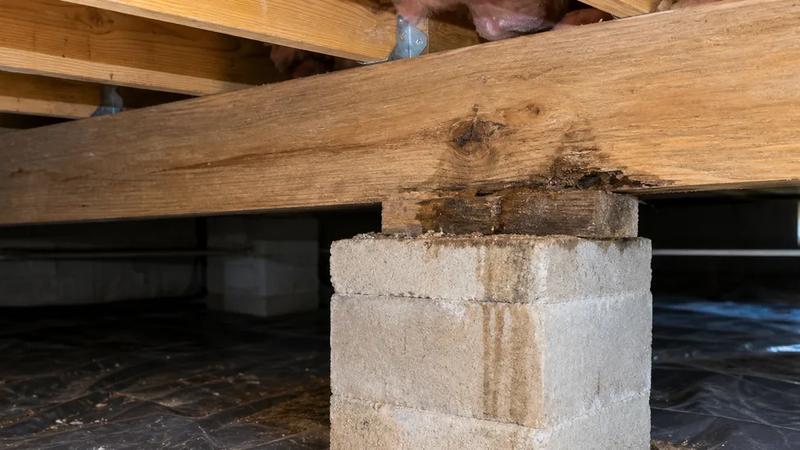
- Supporting condition: rot, corrosion, or failed framing connections can turn a railing job into a structural repair.
- Location and approvals: regional labor rates vary, and permit rules and fees are local.
Permit treatment is especially property-specific. For example, Issaquah, Washington, classifies removing, altering, or repairing a railing or guard as a deck modification. That local example should not be treated as a nationwide rule; the applicable building department must confirm the requirement for the property.
When to obtain a specialist estimate
Obtain an on-site evaluation when the railing moves under normal contact, posts are split or decayed, fasteners pull from deteriorated wood, or damage continues into the deck frame. A qualified deck contractor can price a defined repair. A structural engineer or other licensed design professional may be needed when the supporting framing, unusual connections, or local permit authority requires design work.
Treat a moving or incomplete guard as a fall hazard
Keep people off the deck and block access when a guard is loose, missing, or visibly deteriorated. Do not rely on the railing for support. Arrange a qualified evaluation, confirm permit requirements with the local building authority, and restore the guard before the deck returns to use.