On this page
The 2026 cost range
In 2026, a professional sump-pump installation commonly costs $800 to $2,000. That range generally covers one pump, a basin or pit, labor, and a basic above-ground discharge route. Whether a usable basin already exists, how the discharge and power must be added, and site access create the largest price differences.
The outer range is wider. A straightforward installation in an existing pit may cost about $500, while a difficult new pit, buried discharge, dual-pump setup, or related drainage work can push the total to $4,000 or more. These are national planning figures, not a quote for a particular property.
What the price usually includes
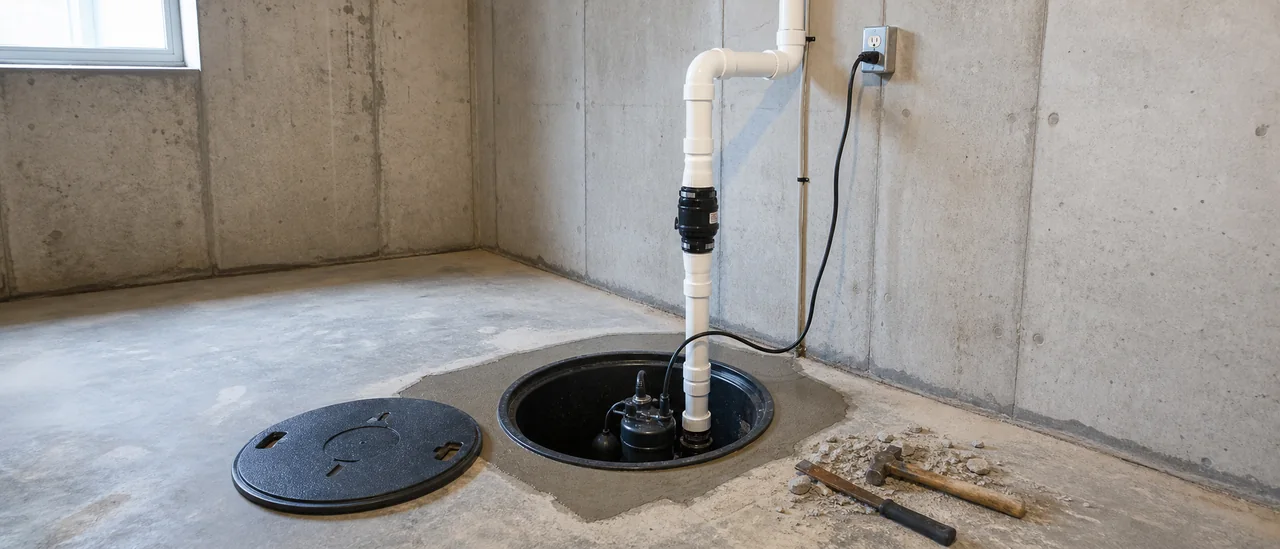
A complete new installation is more than placing a pump in a hole. The scope may include cutting or excavating the floor, setting a basin, installing the pump and check valve, routing discharge piping, connecting suitable power, testing operation, and cleaning up the work area.
Estimates do not all bundle the same items. Ask whether permits, electrical work, concrete repair, buried exterior piping, backup power, alarms, drainage connections, taxes, and disposal are included. A pump-only replacement in an existing basin is a different—and usually narrower—job.
Low, typical, and high scenarios
| Scenario | Planning range | Typical scope |
|---|---|---|
| Lower-cost | About $500–$800 | Existing usable pit and power; short, accessible discharge route |
| Typical new installation | About $800–$2,000 | One pump and basin; ordinary excavation; basic above-ground discharge |
| Higher-cost | About $2,000–$4,000+ | Concrete cutting, difficult access, buried discharge, electrical changes, backup or dual pumps |
Published guides illustrate why estimates vary. One reports an $800–$2,000 national range and a $1,400 average for a new submersible pump and pit with above-ground drainage. A second 2026 guide uses the same average but describes a broader $500–$4,000 span based on installation complexity and drainage conditions.
What changes the estimate most
Existing infrastructure matters first. Reusing a sound basin, discharge line, and electrical supply avoids much of the excavation and connection work. A first-time system may require concrete cutting, soil removal, new piping, and floor repair.
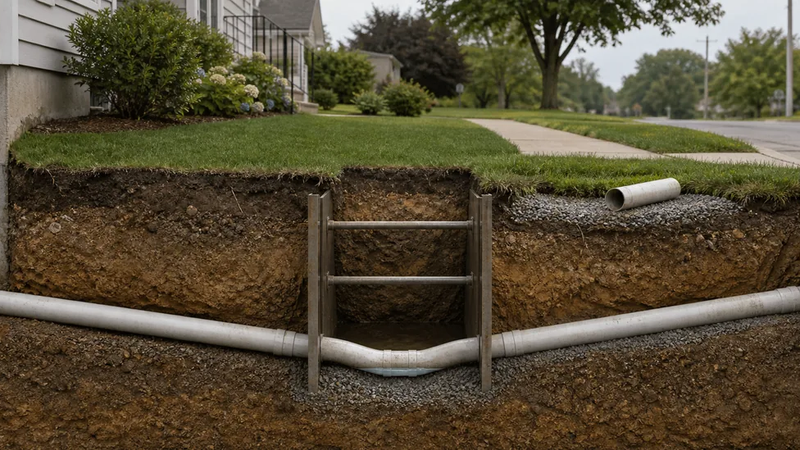
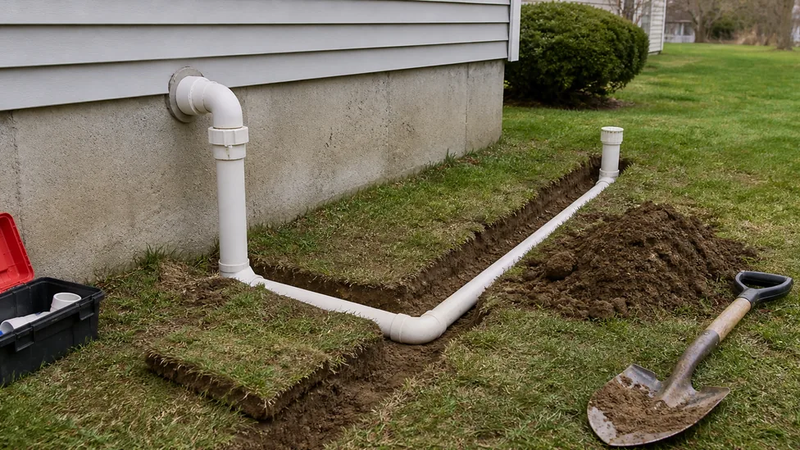
Discharge routing changes labor and materials. A short, accessible above-ground route generally costs less than buried piping, long runs, or work around finished walls and landscaping.
Access and site conditions affect labor. Tight crawl spaces, thick slabs, rocky soil, finished basements, and difficult material removal can add time. Labor pricing also varies by region and season, so a national average cannot reliably predict a local bid.
System design changes equipment and connection costs. Pedestal and submersible configurations have different equipment ranges. Capacity, pumping height, discharge distance, alarms, and battery or water-powered backup can also change the scope.
Compare the same installation scope
One estimate may assume an existing pit and outlet; another may include excavation, concrete repair, new power, and exterior drainage. Request itemized assumptions before comparing totals.
When to obtain specialist estimates
Obtain property-specific estimates when no basin exists, water entry has not been diagnosed, the discharge route is uncertain, or electrical and structural work may be required. A qualified drainage or plumbing specialist can define the system scope; the appropriate licensed trade should handle regulated electrical or plumbing work where local rules require it.
For a useful comparison, provide each bidder the same information and request the pump configuration, basin work, discharge route, electrical scope, permits, testing, warranty, and exclusions in writing. The resulting estimates will be more meaningful than comparing national averages alone.