On this page
Start with the contract and the inspection scope
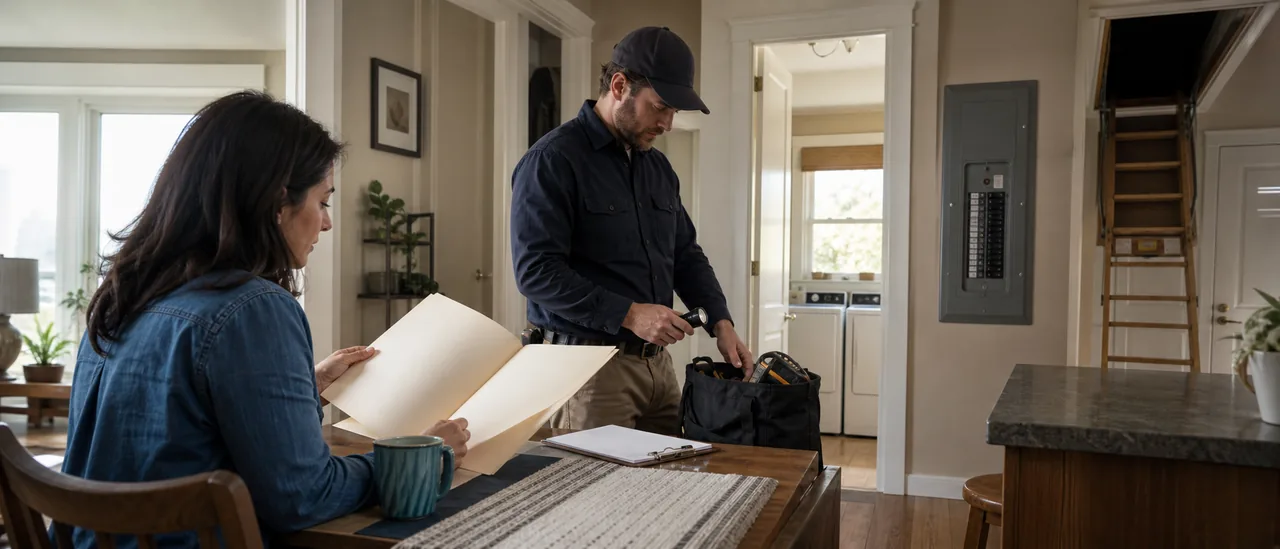
A buyer should prepare by confirming the contract deadline, hiring an independent qualified inspector promptly, and agreeing on the inspection scope before the appointment. The buyer should also arrange access, organize property information and questions, attend if possible, and reserve time to review the written report.
This preparation matters because an inspection does not decide whether to buy the home. It supplies observations that the buyer must interpret within the purchase contract, financing requirements, and local law. The Consumer Financial Protection Bureau advises scheduling promptly so there is time for additional inspections and problem resolution.
First, read the inspection contingency and related notices. Identify the last day to inspect, deliver notice, request a remedy, or terminate. Those rights depend on the signed contract and jurisdiction; a satisfactory-inspection contingency may permit cancellation, but the exact language controls.
Choose the inspector and define the assignment
Check whether the jurisdiction licenses home inspectors, then verify any required credential with the appropriate licensing authority. Ask candidates for their Standards of Practice, sample report, fee, expected duration, delivery time, and proof of insurance when relevant. HUD specifically recommends reviewing the inspector's Standard of Practice or a sample report to understand what is included.
Confirm whether the assignment covers detached structures, pools, sewer lines, wells, septic systems, pests, radon, or other property-specific concerns. Do not assume these are part of a general inspection. Obtain the written inspection agreement early enough to compare its inclusions, exclusions, and access rules with the contract deadline.
| Before the appointment | Why it changes the result |
|---|---|
| Contract and contingency dates | Establishes the time available for reports, specialist reviews, and notices |
| Inspector agreement and sample report | Shows the promised scope, exclusions, and reporting format |
| Seller disclosures and repair records | Helps the buyer identify questions and areas needing closer attention |
| Access and operating conditions | Determines whether the inspector can observe spaces and operate installed systems |
Prepare the property information and access
Send the inspector the seller's disclosures, known repair or renovation documents, and a concise list of concerns. A disclosure is useful context, not proof that a system is sound. Tell the inspector about stains, odors, drainage concerns, unusual sounds, or prior work the buyer noticed without assigning a cause.
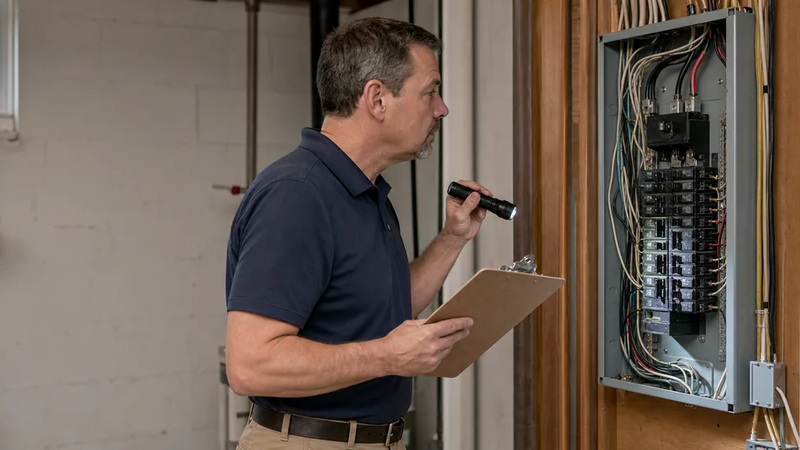
Coordinate through the real-estate representatives or seller to make attics, crawlspaces, electrical panels, garages, and mechanical equipment accessible. Ask that normal utilities and installed systems be operating when the contract and property conditions allow. Inspectors generally are not required to move furniture or stored items, dismantle components, enter unsafe spaces, or operate shut-down systems under InterNACHI's Standard of Practice.
A visual inspection has firm limits
InterNACHI defines a home inspection as a non-invasive, visual examination of accessible areas. Its standard says the inspection is not technically exhaustive and will not identify concealed or latent defects. Specialized testing or evaluation may be needed for concerns outside the agreed scope.
Attend, ask questions, and preserve decision time
Attend the inspection if permitted, but let the inspector follow a safe sequence. Ask which conditions are significant, what was inaccessible, and which findings need a specialist. CFPB notes that attendance helps a buyer interpret the report, understand issues, and ask questions.
Keep the inspection distinct from the appraisal. HUD states that an appraisal estimates value for the lender and does not replace a home inspection. CFPB notes that some loan programs may require the property to meet specified standards.
After receiving the report, compare its findings and limitations with the contract, disclosures, and lender conditions. Have the appropriate real-estate or legal professional review any notice, repair request, credit, or termination deadline, and obtain the licensed specialist inspection or lender review required for unresolved transaction conditions.