On this page
Use age as a risk flag, not a price formula
An older roof should make your offer more cautious when its condition and likely remaining service point to near-term work. Age alone does not justify subtracting a standard amount. Verify the installation date, identify the roof material, obtain an inspection, and use a property-specific repair or replacement estimate to understand the exposure.
A roof’s calendar age is simply the time since installation. It is not the same as remaining service life, which depends on how long the roof can continue performing adequately.
The National Roofing Contractors Association says most new roofs are designed for about 20 years of useful service, while slate, clay tile, and certain metal roofs can last longer. It also says actual life span depends on climate, design, material quality and suitability, installation, and maintenance. That range makes a universal “years old equals dollars off” rule unreliable.
What should carry the most weight
Start with evidence that narrows uncertainty:
- documentation showing the installation date, material, scope, permits, and transferable warranty terms;
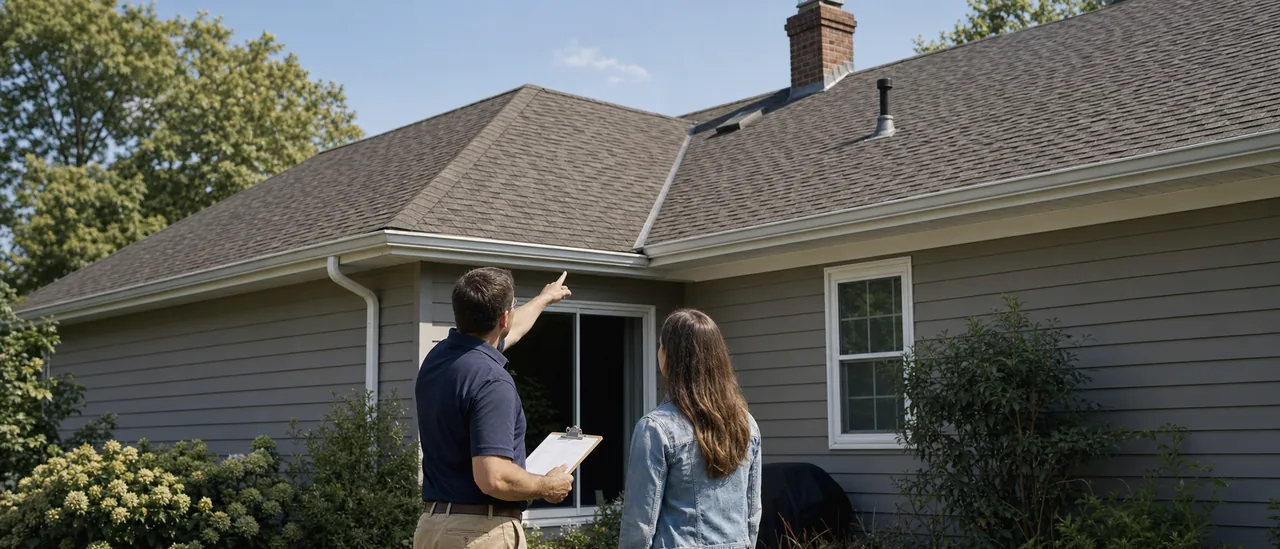
- an inspection covering visible roofing materials, drainage, flashing, skylights, chimneys, and penetrations;
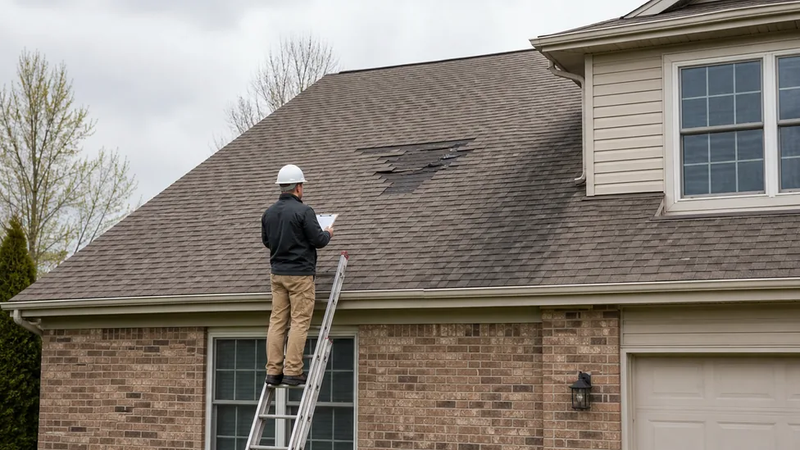
- observed defects, active leakage, prior repairs, and areas that could not be inspected; and
- a current, written estimate when the inspection identifies near-term repair or replacement.
The American Society of Home Inspectors’ standard requires inspectors following it to inspect roofing materials, roof drainage systems, flashing, skylights, chimneys, and roof penetrations. The standard describes a visual inspection of accessible components, not a guarantee of future performance. Ask what was inaccessible and whether a roofing specialist should examine a flagged condition.
Keep three numbers separate
Documented age tells you when the roof was installed. Estimated remaining service is a condition-based professional judgment. Expected cost comes from a property-specific scope and estimate. Treating any one as a substitute for the others can distort the decision.
Practical bottom line
If an older roof is dry, functional, well maintained, and supported by credible records, its age may justify monitoring rather than assuming immediate replacement. If records are missing, visible deterioration is present, or an inspector identifies near-term work, account for that uncertainty and documented cost when deciding what you can responsibly offer.
Also confirm that the property’s condition fits the intended financing. Fannie Mae’s appraisal guidance emphasizes actual condition: appraisals must report apparent adverse conditions, needed repairs, and deferred maintenance. It also states that older dwellings meeting its general requirements are acceptable. An appraisal is therefore not a substitute for a detailed roof inspection, and lender requirements can differ by loan program.