On this page
Start as soon as the storm has passed
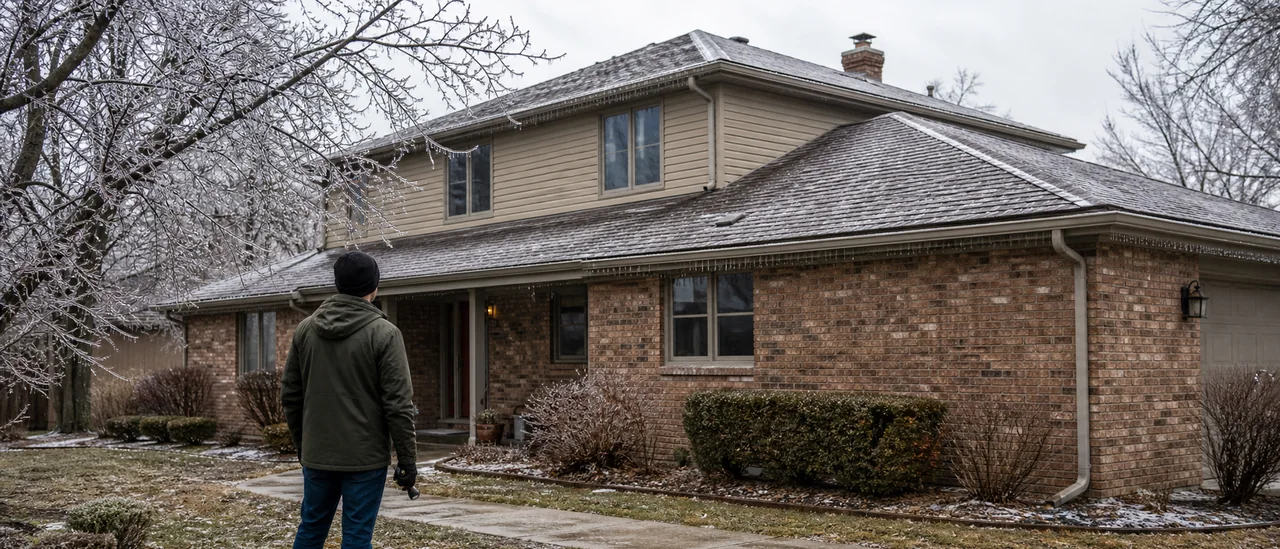
Make an interior and ground-level check as soon as the storm has ended and you can move around safely. If you see active leaking, ceiling changes, displaced materials, or a sagging roofline, seek qualified help promptly. A roof-level inspection should wait until ice, wind, and footing no longer make access hazardous.
An ice storm coats exposed surfaces with freezing rain. For a homeowner, “inspect” should first mean looking from safe locations—not climbing onto an icy roof.
There is no universal number of hours to wait. The right timing depends on whether water is entering, whether the structure looks altered, and when a qualified inspector can safely reach the necessary areas.
What to check first
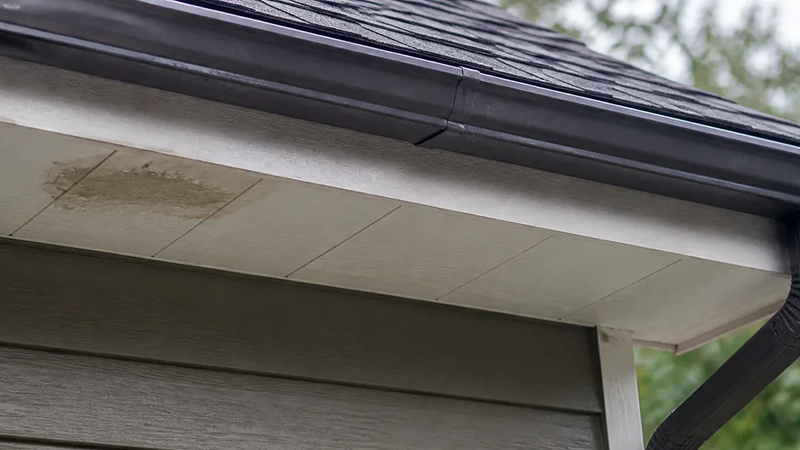
Look through occupied rooms and accessible attic areas without stepping on insulation or concealed framing. Check for fresh water stains, dripping, damp insulation, daylight through an unexpected opening, or changes in ceilings. From the ground, look for visibly displaced roof materials, bent or detached gutters, fallen branches, and an uneven or sagging roofline.
Ice along the eaves does not, by itself, prove storm damage. An ice dam is a ridge of ice that blocks meltwater from draining. The University of Minnesota Extension explains that backed-up water can leak into walls, ceilings, insulation, and other areas. That makes indoor moisture a reason to act promptly, even while exterior access remains unsafe.
Do not turn the check into a roof walk
Stay off an icy or snow-covered roof. OSHA identifies falls, hidden rooftop hazards, and possible structural collapse among winter roof-work risks. Keep people away from hanging ice, fallen lines, and any area beneath a visibly unstable branch or roof section.
When a closer evaluation can happen
If the first check finds no urgent warning signs, arrange any roof-level evaluation after the surface is clear enough for safe access. That may be the next dry, thawed period rather than the same day. Waiting for safe footing is not the same as ignoring the roof; continue watching ceilings and attic areas during freeze-thaw cycles.
NRCA guidance recommends staying on the ladder and off the roof when possible, and calling a professional when a roof is steep, snow is deep, or ice is thick. A qualified evaluator can choose safer observation methods and document areas that remain inaccessible.
Bottom line
Begin safely once the storm is over: inspect indoors and from the ground. Treat active water, sagging, major displacement, or electrical exposure as urgent. Otherwise, schedule a closer inspection when weather and roof conditions allow safe access, and keep monitoring as ice melts.