On this page
Start as soon as the storm passes—without climbing
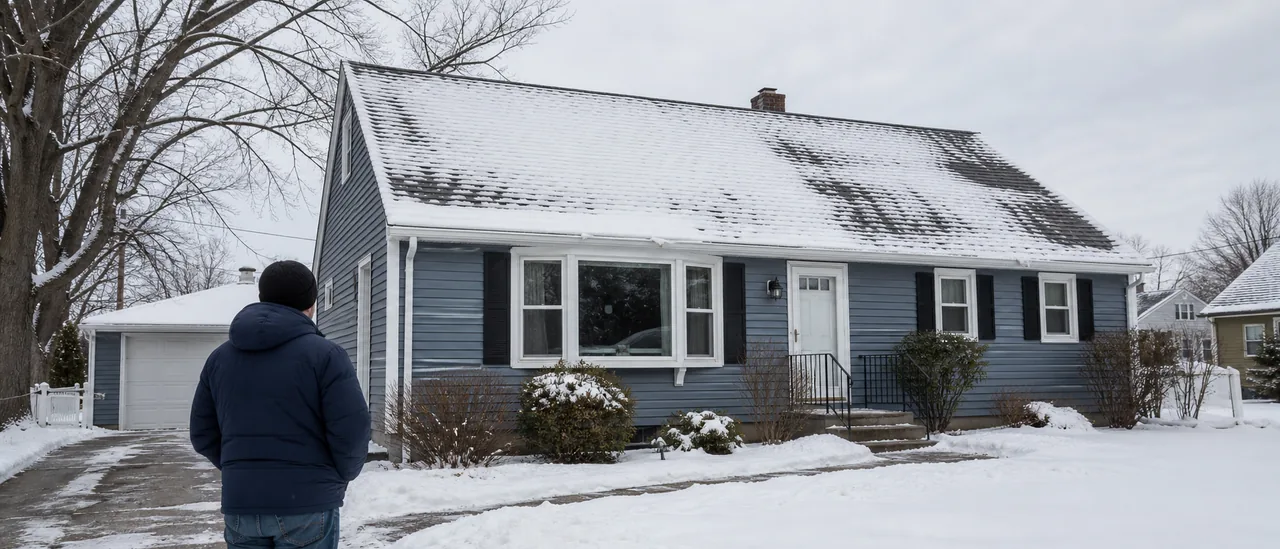
Begin a visual check after snowfall stops and outdoor conditions are calm enough to walk safely around the property. Look from the ground and from accessible indoor areas. Do not wait several days to investigate active leaking, new sagging, or unusual structural sounds.
A close roof-surface inspection follows a different clock. Snow and ice can conceal roofing details and create severe fall hazards, so wait until safe access is possible or use a qualified professional. NRCA recommends ground-level assessment after severe weather and professional evaluation for closer inspection.
What to check right away
The first check is a triage, not proof that the roof is undamaged. In daylight, safely review:
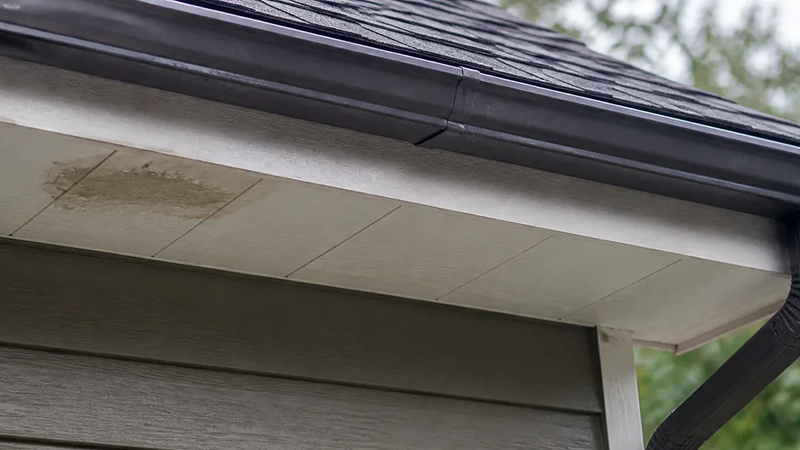
- ceilings and attic areas for new moisture, stains, or visible sagging;
- walls and ceilings for new cracks;
- doors or windows that suddenly bind;
- eaves, gutters, flashing, and roof edges visible from the ground; and
- the building for popping, cracking, or creaking sounds.
These observations help decide whether the situation can wait for snow to clear. They do not reveal shingles, seams, fasteners, or flashing hidden beneath the snow.
Leave if the building shows signs of roof distress
A sagging ceiling, severe leak, new cracking or creaking, or doors and windows that suddenly will not operate can indicate structural distress. Fairfax County advises occupants who notice its listed warning signs to evacuate and call emergency services. Do not enter an attic or climb onto the roof to investigate a suspected overload.
What changes the timing
“Heavy snow” describes accumulation, not a single roof load. OSHA notes that snow weight varies with water content. Actual roof loading also depends on melting and refreezing, drifting, roof slope and type, design features, and existing structural deterioration.
Move professional evaluation forward when snow has drifted deeply at roof-level changes, rain has fallen onto existing snow, another storm is expected, or the roof had known defects beforehand. U.S. Department of Energy building-science guidance explains that partial melting and refreezing can make snow denser even as its depth decreases. A surface that looks quiet may therefore be changing.
If there are no warning signs, arrange the detailed exterior check when the roof is visible and safely accessible. That may be after melting or controlled snow removal by qualified people. OSHA recommends avoiding roof access where possible and warns that people, tools, and equipment add load to a snow-covered structure.
Practical bottom line
Inspect promptly, but separate observation from roof access. Check indoors and from the ground once the storm ends. Treat distress signs as urgent. Examine the roofing surface only after snow and ice no longer hide hazards—or have a qualified professional handle that portion safely.