On this page
No—an inspection is a snapshot, not a warranty
No—a home inspection is not a warranty. It describes visible, accessible conditions at the time of the inspection; it does not promise that components will keep working or pay for future repairs.
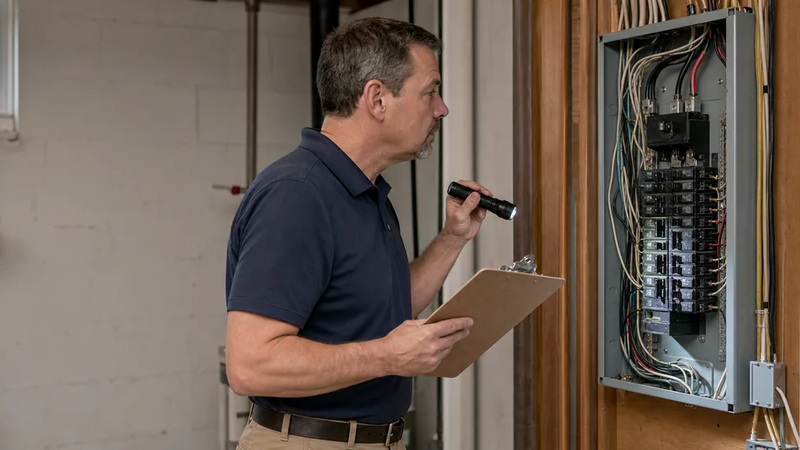
A standard home inspection is generally a non-invasive visual examination of specified systems and components. Its purpose is to identify material defects the inspector observes within the agreed scope. For example, current state licensing guidance describes an inspection as a dated observation, not a prediction of future conditions.
That distinction matters even when the report is detailed. A clear report can improve a buyer’s understanding of a home without certifying that the property is defect-free.
Inspection findings and warranty coverage answer different questions
| Question | Home inspection | Warranty or service contract |
|---|---|---|
| What is its purpose? | Describe observed conditions and material defects within a defined scope. | State whether specified repairs or replacements receive coverage. |
| What controls the result? | The inspection agreement, applicable standard, access, and conditions on that date. | The written coverage, exclusions, term, limits, and claim requirements. |
| What about a later failure? | The report may provide useful context, but it does not guarantee future performance. | Coverage depends on the contract’s terms and the cause and timing of the failure. |
A warranty can also be narrower than its name suggests. Government consumer guidance advises reading what is covered, how long coverage lasts, what is excluded, and what process applies when a problem occurs. Those contractual questions are separate from what an inspector could observe.
What a visual inspection can—and cannot—confirm
An inspector can report observable defects, normal operating results, safety concerns, and recommendations. The inspection agreement and report together define the relevant access and scope limits.
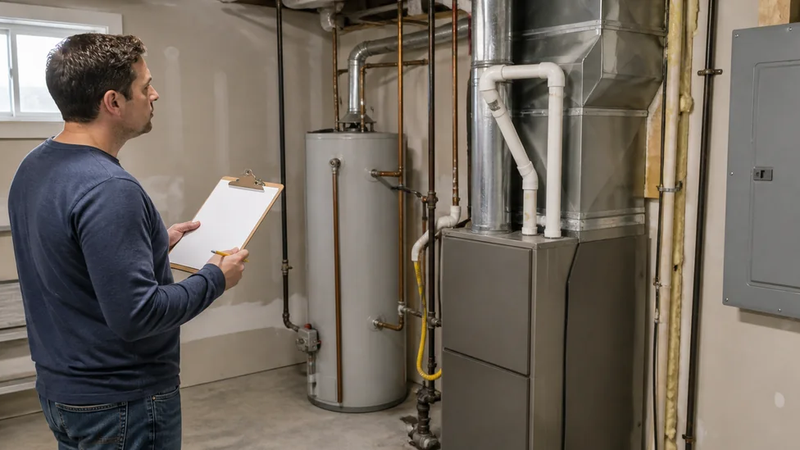
However, a standard inspection is not required to uncover every concealed condition. Finished walls, stored belongings, inaccessible areas, intermittent failures, and conditions that develop after the visit can all limit what the inspection establishes. Specialized testing is also outside a standard inspection unless the agreement includes it.
A separate warranty remains separate
A seller, builder, inspector, or service provider may separately offer repair coverage. That does not turn the inspection itself into a warranty; read the written terms to identify the provider, covered items, exclusions, duration, and claim process.
Practical bottom line
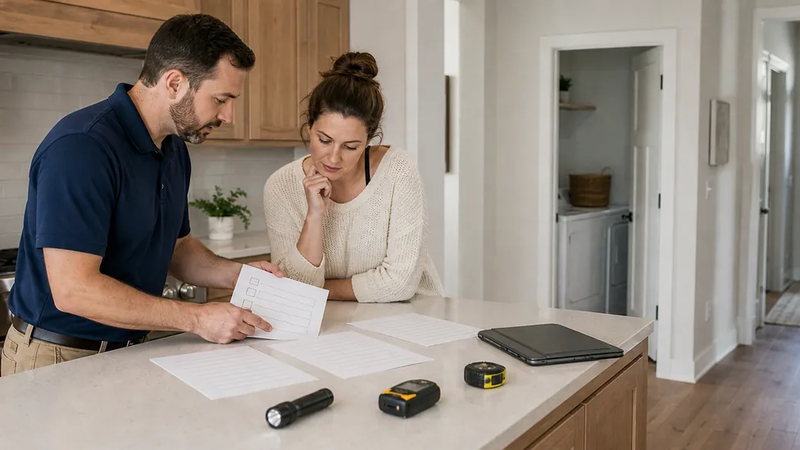
Use the inspection report as a dated assessment of observable conditions, not as protection against every defect or later breakdown. Read the inspection agreement and report together, especially the scope, exclusions, and items not inspected. If a finding suggests a concealed or system-specific problem, a qualified specialist may be needed to determine its extent before a decision is made.