On this page
Yes, if the inspection happens at the right stage
Yes, a pre-drywall inspection is usually worth it when the framing and rough-in systems are installed, accessible, and not yet covered. It creates a brief opportunity to document visible concerns before insulation and drywall restrict the view.
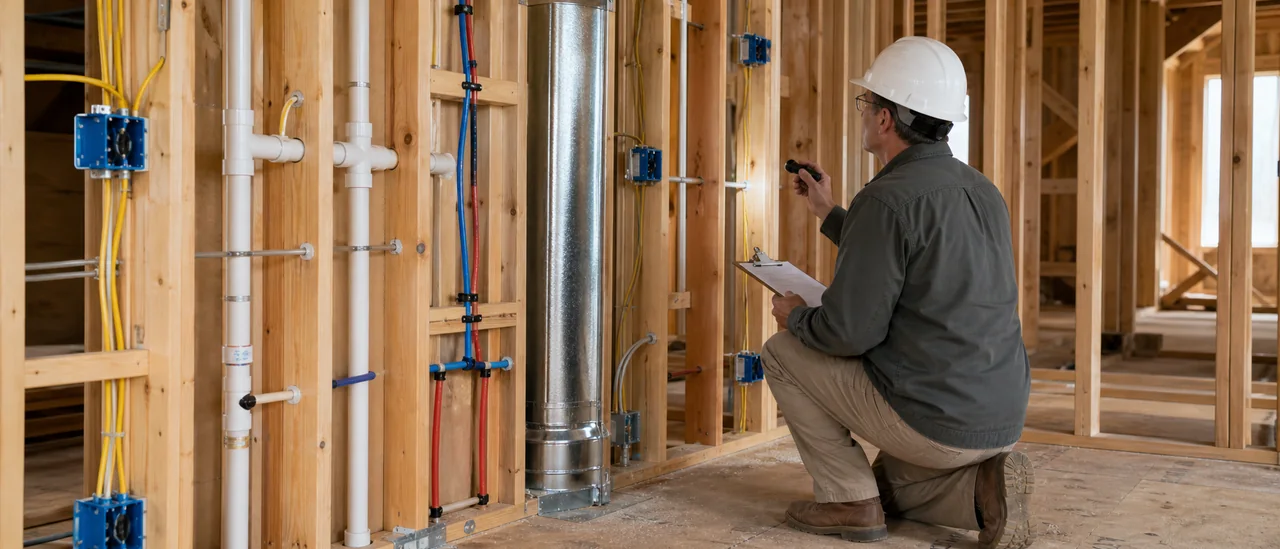
The inspection is also called a predrywall or rough-in inspection. Under ASHI’s predrywall standard, the preferred timing is after structural components, plumbing and electrical rough-ins, windows, and exterior doors are installed. The buyer must coordinate permission and access with the builder or property owner.
Why this stage can be valuable
Open walls let an inspector examine installed, visible parts of the structure and major systems. Depending on what is complete and accessible, the review may include:
- foundation and framing components, including visible fasteners and connections;
- plumbing supply, drain, waste, and vent piping;
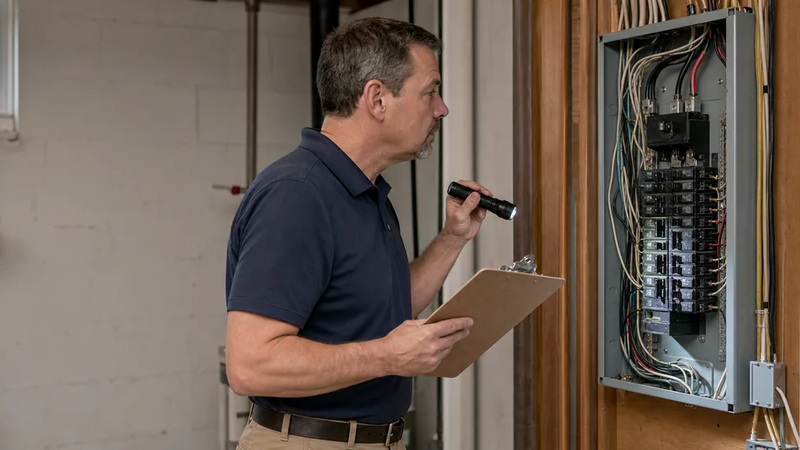
- electrical panels, wiring, boxes, and grounding components;
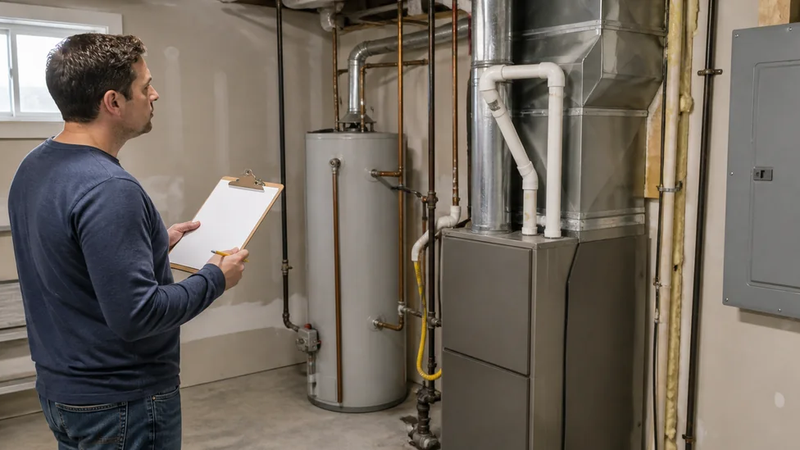
- heating and cooling equipment, ducts, vents, and exhausts; and
- visible window, door, exterior, insulation, and fire-separation details.
This record can help the client raise observed deficiencies while the affected area remains exposed. Photographs can also preserve the locations of some framing and rough-in components for later reference. Neither benefit guarantees that the builder will accept a finding or that every condition will be corrected.
It is not a code inspection
ASHI’s predrywall standard describes a general inspection by a construction generalist. It does not confirm compliance with building codes, manufacturers’ instructions, plans, drawings, or specifications.
What the inspection cannot confirm
A pre-drywall inspection is a visual review of installed, readily accessible components. It does not reveal concealed or latent defects, determine structural adequacy, provide engineering analysis, or guarantee future performance.
The timing creates tradeoffs. An early visit may leave important systems incomplete. A late visit may find insulation hiding framing, wiring, or piping. Restricted rooms, unsafe areas, stored materials, and builder rules can further reduce the scope.
Municipal construction inspections and an independent pre-drywall inspection serve different purposes. Passing a required government inspection does not convert an independent visual review into a warranty. Likewise, an independent inspector’s observation is not an official code ruling.
Practical bottom line
The inspection is most worthwhile when the builder allows adequate access and the appointment falls after rough-ins but before concealment. Before scheduling, ask what will be installed, whether insulation or drywall will already be present, and which areas the inspector may enter.
Review the inspector’s written scope and exclusions in advance. If a visible condition requires structural calculations, specialized testing, or a trade-specific determination, a qualified system specialist may need to evaluate that particular issue.