On this page
Yes—when a builder warranty deadline is approaching
Yes, an 11-month warranty inspection is usually worth it when a written builder warranty is nearing its first-year deadline, but its value depends on the warranty terms and the inspection’s scope. It is not a guarantee that the builder will cover every reported condition.
“11-month inspection” is practical shorthand for a home inspection scheduled late in the first year of ownership. The timing gives occupants several months to notice how the home performs while leaving time to inspect, read the report, and follow the builder’s required notice process.
Why the timing can be useful
Newly occupied homes have gone through everyday use, weather, and seasonal operation by month 11. A condition that was not apparent at closing may now be visible or reproducible, such as a door that binds, drainage that directs water toward the house, a plumbing leak, or equipment that does not operate normally.
The inspection creates a dated record of observed conditions. That can help the homeowner submit specific findings before the applicable deadline.
The warranty controls—not the calendar nickname
Read the actual warranty before choosing the inspection date. Confirm when coverage began, which components are covered, exclusions, notice deadlines, submission instructions, and whether the builder must have an opportunity to inspect or repair.
General Federal Trade Commission warranty guidance emphasizes checking coverage length, exclusions, available remedies, and the claims process. A builder warranty may use different periods for workmanship, systems, or structural coverage, so “one year” should never be assumed to apply uniformly.
What the inspection can—and cannot—establish
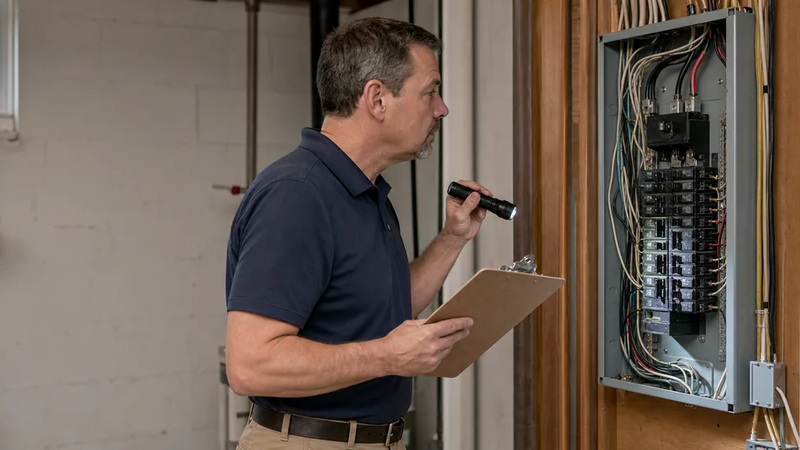
Under the American Society of Home Inspectors’ standard, a home inspection covers listed systems and components that are installed, readily accessible, and visually observable. The inspector operates normal controls and opens readily openable access panels, then reports specified significant deficiencies and recommendations for further evaluation.
That is useful evidence of conditions visible on inspection day. It is not destructive testing, a code-compliance certification, an engineering analysis, or a determination that the warranty covers a repair. ASHI’s general exclusions also state that an inspector is not required to determine concealed conditions, exact causes, correction methods or costs, future failures, or the condition of inaccessible components.
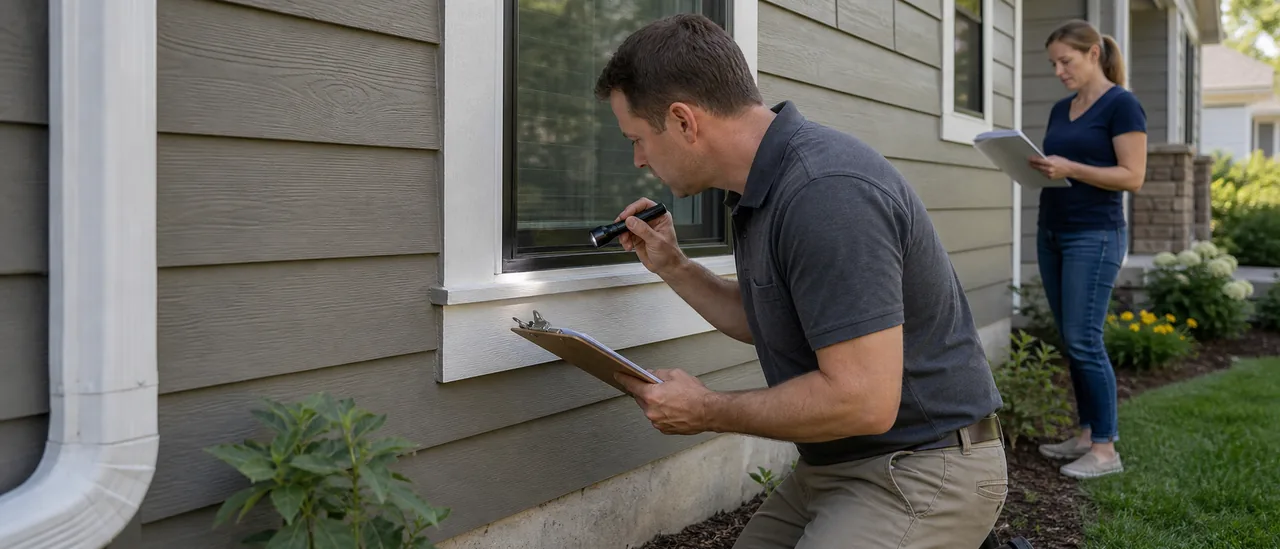
Access and operating conditions matter. Belongings can block surfaces, weather can limit exterior observations, and some equipment should not be operated under unsuitable conditions.
Practical bottom line
The inspection is most worthwhile when the warranty is still active, the homeowner can meet every notice requirement, and the report may reveal consequential conditions beyond a cosmetic punch list. Its value is lower when the deadline has already passed or the agreement provides little relevant coverage.
Schedule early enough to receive and review the report before submitting notice. Send only documented concerns through the method specified in the warranty, and keep copies. If a finding requires diagnosis beyond a visual inspection, a qualified system specialist may be needed before anyone can confirm the cause or appropriate correction.