On this page
A deposit can be normal, with conditions
Yes, an inspection deposit can be normal, but only when its amount and purpose are clear before you pay. It is a payment arrangement, not proof that an inspector is qualified or that the inspection will reach a particular conclusion.
Here, deposit means money collected before the appointment and applied to the agreed inspection price. An inspector might instead call the same payment a booking fee, retainer, or advance payment. The label matters less than the written terms.
Confirm what the deposit actually does
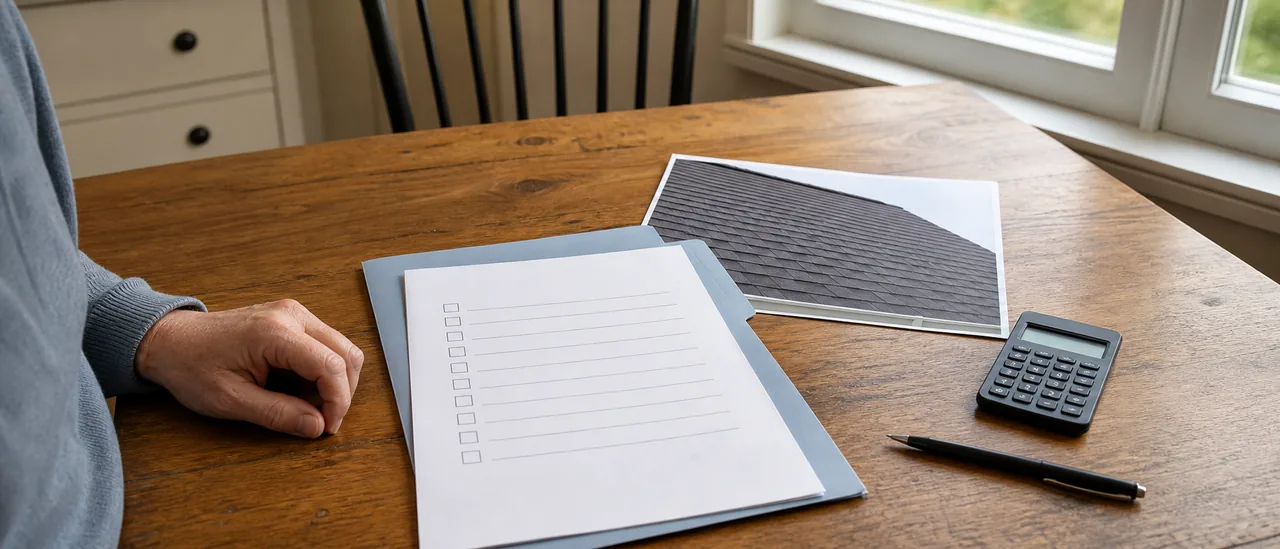
The agreement should state the total price, how much is due now, whether that amount is credited to the price, and what happens if either party reschedules or cancels. A deposit should not leave you guessing what service you purchased.
Why the agreement matters
Inspection payment practices are not identical everywhere. Service type, travel, scheduling, local rules, and the inspector’s business terms can affect when payment is due. That makes a disclosed deposit plausible, but not automatically appropriate in every situation.
Written terms provide a better test than the word “normal.” New York’s home-inspector regulations, for example, require a pre-inspection agreement that clearly describes the service scope and its associated cost. They also require the inspector to discuss the scope and perform only authorized services. Other jurisdictions may set different requirements, so check the rule that applies where the property is located.
Before paying, confirm:
- the inspector’s identity and any license required locally;
- the inspection date, property, scope, exclusions, and report deliverable;
- whether optional testing or follow-up work is included in the scope; and
- who receives the report and the expected delivery method.
A request for the entire fee in advance is not necessarily the same as a deposit. The agreement should name the amount accurately and explain when the inspector earns or returns it.
A deposit does not expand the inspection
Payment terms do not change what a standard visual inspection can establish. ASHI limits its standard scope to installed components that are both accessible and observable. An inspector working under it need not uncover hidden conditions or determine causes, repair prices, future performance, or code compliance.
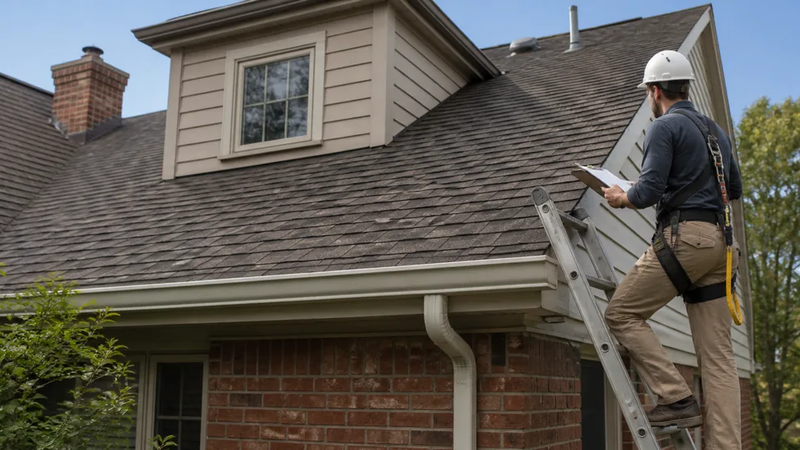
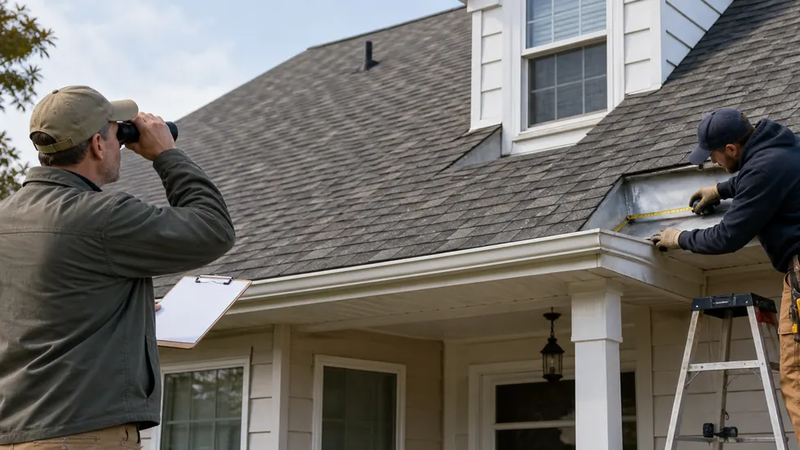
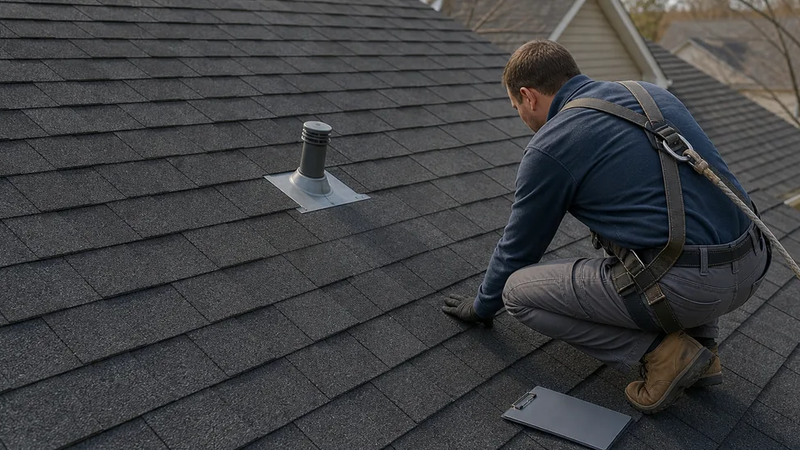
For a roof, the standard calls for inspection of roofing materials, drainage systems, flashing, skylights, chimneys, and roof penetrations. Unsafe, inaccessible, snow-covered, or otherwise obscured areas may still limit what can be confirmed.
Practical bottom line
A modest, clearly documented deposit credited toward an agreed inspection fee can be a reasonable booking condition. Pause when the total price, scope, refund rules, recipient, or required credentials cannot be verified. Get those points in writing before paying; if the roof question exceeds a visual inspection, a qualified specialist may be needed for that specific issue.