On this page
Usually yes when the roof could become a transaction issue
A seller should usually get a pre-listing roof inspection when the roof’s condition, age, leak history, or repair records are uncertain. The main exception is a roof with recent, complete documentation and no known warning signs, especially when the seller’s agent and local disclosure adviser see little benefit in another report.
The inspection can identify visible concerns before pricing, disclosures, and negotiations begin. It also gives the seller time to obtain repair proposals or clarify a questionable observation without working against a buyer’s deadline.
It is not a guarantee that the sale will proceed without another roof review. A buyer, appraiser, insurer, or lender may apply a different scope or require separate documentation.
What a useful inspection should cover
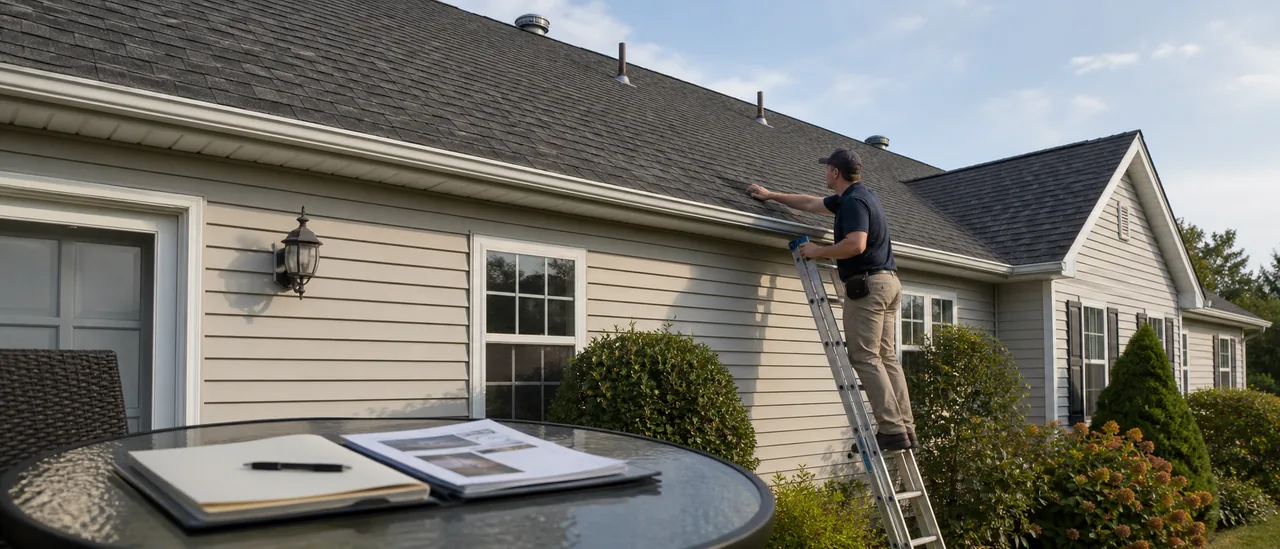
Before hiring anyone, confirm whether the assignment is a roof-only inspection or a general home inspection that includes roofing. Under the American Society of Home Inspectors’ standard, a general inspection covers roofing materials, drainage, flashing, skylights, chimneys, and penetrations. The report must also describe how the roofing was inspected.
That scope is visual and limited to readily accessible conditions. The same standard says an inspection is not technically exhaustive and need not identify concealed or latent defects. It also excludes determinations such as remaining service life, the cause of a deficiency, future conditions, and code compliance.
Define the report before ordering it
Ask whether the inspector will examine accessible attic surfaces, state all access limits, include dated photographs, distinguish observations from opinions, and recommend further evaluation where the visual evidence is inconclusive.
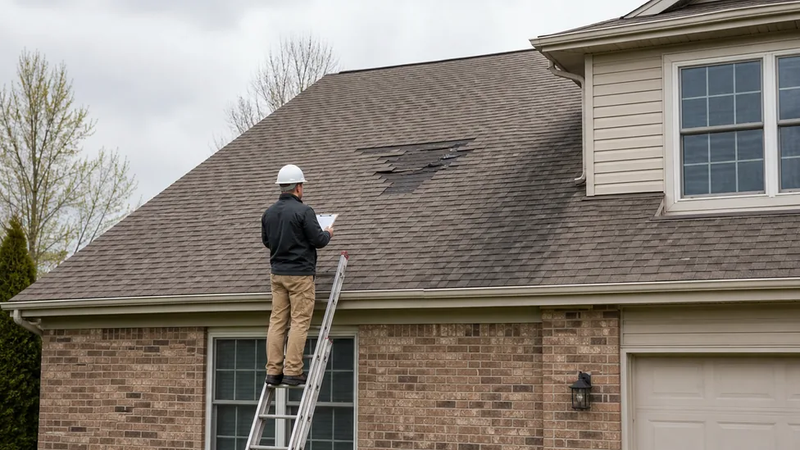
NRCA maintenance guidance describes a thorough visual review of the roof system and adjoining surfaces, including sidewalls and chimneys. It also advises inexperienced people not to walk steep roofs without proper experience and equipment. A seller should not climb the roof simply to conduct a preliminary check.
When the value is highest—or lower
| Situation | Likely value of inspecting now | Important limit |
|---|---|---|
| Older roof, past leak, missing records, or visible wear | High: the report can frame repairs, pricing, and disclosure review before listing | Hidden moisture or concealed assembly conditions may remain unknown |
| Tight closing schedule or likely financed buyer | High: early findings leave more time for specialist documents or repairs | The buyer’s lender may still require its own evidence |
| Recent replacement with permit, invoice, warranty, and clear photographs | Lower, if no symptoms or unresolved work exist | Documents do not prove the roof’s present condition |
| Unsafe access, complex roof geometry, or disputed damage cause | High, but only with an appropriately qualified roof specialist | A standard visual report may not answer causation or design questions |
Financing can change the practical answer. The Consumer Financial Protection Bureau distinguishes a home inspection from an appraisal and notes that buyers generally need both when borrowing. If either review identifies a major repair, such as a new roof, the lender may require completion before closing or funds set aside for work after closing. The applicable loan program and lender determine the actual requirement.
Use the findings as transaction documents
A report may create information the seller must handle carefully. The National Association of Realtors notes that disclosure practices vary by state and that defects found before listing may need disclosure under state law. The seller should not assume that repairing an item erases the need to document it.
Keep the signed inspection agreement, complete report, photographs, invoices, permits, warranties, and proof of payment together. Give the report to the seller’s real-estate professional and ask what must be disclosed, when, and in what form. If the report identifies a leak, unsafe condition, unclear remaining life, or possible structural issue, obtain the specific roof, engineering, lender, or legal review required before relying on the report in the transaction.