On this page
Repair first when the defect threatens the transaction
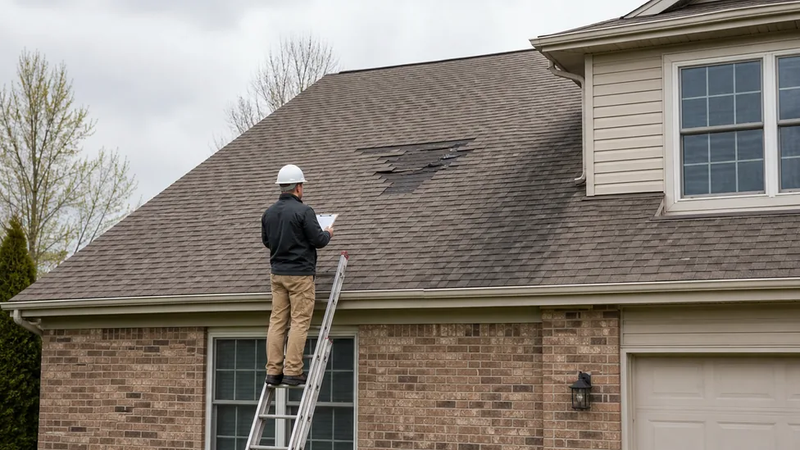
A seller should usually repair the roof before listing when an inspection identifies active leakage, a safety or structural concern, or a defect likely to prevent the buyer’s financing. The answer changes when the roof remains functional and the issue is limited, uncertain, or better addressed through price and contract terms.
In this guide, repair means a defined correction to an identified defect. It does not mean replacing the entire roof merely because it is old. A replacement may be reasonable when defects are widespread or a roofing specialist cannot provide a durable limited repair, but that conclusion requires property-specific evidence.
Let condition—not appearance—drive the choice
Obtain a pre-listing inspection before choosing a scope. Under the American Society of Home Inspectors’ current standard, a home inspection includes roofing materials, drainage systems, flashing, skylights, chimneys, and roof penetrations. The inspector must also describe the method used to inspect the roof.
That inspection has limits. The same standard describes a visual examination of readily accessible components and says inspections are not technically exhaustive. The report should therefore identify what was observed, what was inaccessible, and whether a roofing specialist should evaluate a particular condition.
Use the findings to compare the realistic paths:
| Finding | Pre-listing direction | Information still needed |
|---|---|---|
| Active leak or related interior damage | Repair before marketing | Written scope, cause evaluation, completion records |
| Safety, soundness, or structural concern | Resolve before relying on ordinary financing | Specialist report and lender confirmation |
| Localized defect with a durable repair | Compare repair with an as-is sale | Written estimate, warranty terms, contract treatment |
| Older but functional roof with no urgent defect | Do not replace on age alone | Installation records and inspection limitations |
Age remains relevant, but it is not a diagnosis. The National Roofing Contractors Association says actual roof life depends on factors including climate, design, material quality, application, and maintenance. Those variables make a universal age cutoff an unreliable basis for approving a repair or replacement.
Consider financing before spending
The buyer’s loan program can change the practical answer. Fannie Mae’s appraisal guidance requires apparent adverse conditions and needed repairs to be reported. It permits an “as is” appraisal when conditions are minor and do not affect safety, soundness, or structural integrity.
More serious findings receive different treatment. When a deficiency could affect safety, soundness, or structural integrity, Fannie Mae requires the appraisal to be made subject to the specified correction or, when appropriate, a qualified professional’s inspection. The lender decides whether the inspection is required and whether the property meets eligibility requirements.
That guidance applies only to the cited Fannie Mae framework. Other loan programs, lenders, and contracts may use different requirements. A seller should not authorize a large project solely because a prospective buyer or agent predicts what an appraiser will require.
A completed repair still needs a paper trail
Keep the inspection, written scope, paid invoice, permit or approval record when applicable, photographs, and transferable warranty terms. These documents help the parties distinguish completed work from an unsupported statement that the roof was “fixed.”
When listing as-is may be reasonable
Listing without repair may be reasonable when the condition is disclosed as required, the price reflects it, and the likely buyer and financing path can accept it. That choice transfers neither the technical question nor the contract risk automatically. Buyers may request repairs, credits, specialist review, or termination under their negotiated rights.
Before listing, obtain a roof inspection and any specialist evaluation it recommends. Then have the inspection, repair estimate, disclosure forms, and proposed contract terms reviewed by the listing professional or real-estate attorney responsible for the jurisdiction, and confirm material roof conditions with the intended lender when financing requirements could control closing.