On this page
Get one when the first inspection leaves a material question
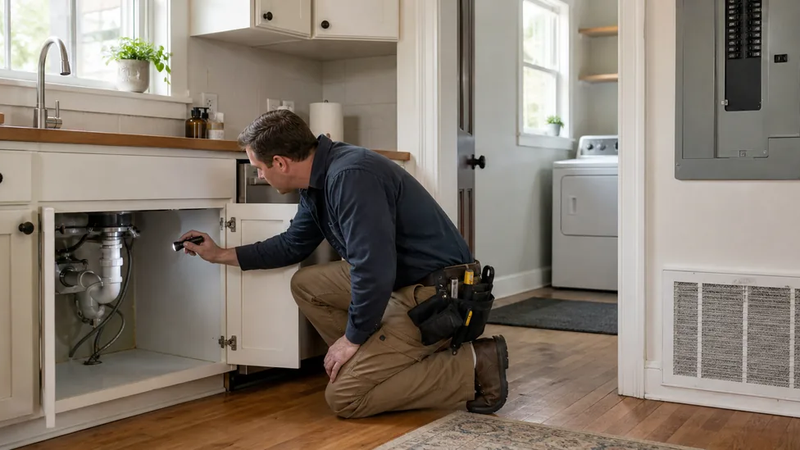
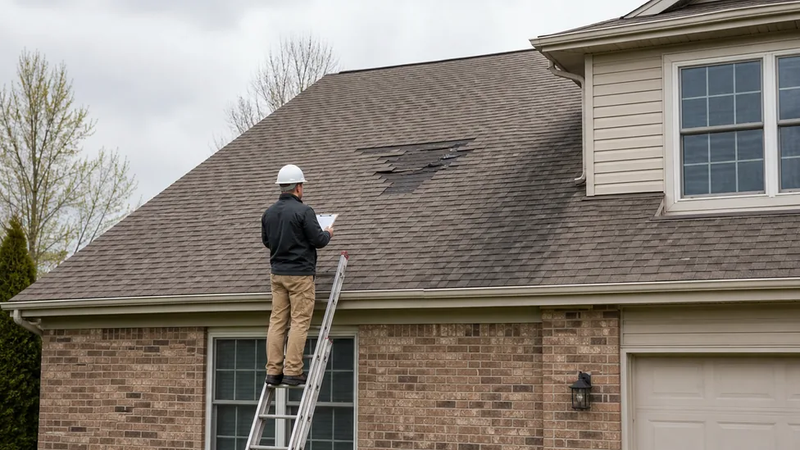
You should usually get a separate roof inspection when the general home inspector flags a concern, cannot view important roof areas, or recommends further evaluation. It is also prudent when records and visible conditions do not agree—for example, the seller reports a recent replacement, but provides no permit, invoice, warranty, or clear scope of work.
A second inspection may add little when a qualified home inspector has examined the accessible roof covering, drainage, flashing, penetrations, and attic; documented the inspection method and limitations; and reported no unresolved concern. Read that report before deciding. “Separate” should mean a focused evaluation by an independent roof inspector or appropriately qualified roofing professional who answers to you.
What the first inspection can—and cannot—settle
A general home inspection normally includes visible roof components. The American Society of Home Inspectors' current Standard of Practice lists roofing materials, drainage systems, flashing, skylights, chimneys, and roof penetrations. It also requires the inspector to describe the method used to inspect the roofing.
That scope has limits. Under the same standard, a home inspection covers readily accessible, visually observable components and is not technically exhaustive. It is not required to identify concealed conditions, determine remaining life, diagnose causes, predict future failure, or verify code compliance.
An appraisal is not a roof inspection
A lender's appraisal addresses value and loan requirements; it does not replace a home inspection. An appraisal or loan condition may identify an obvious roof issue, but it should not be treated as a detailed roof-condition opinion.
Conditions that favor a separate roof inspection
Arrange the focused inspection before your contract deadline when one or more of these conditions applies:
- The report marks roof planes, an attic, or flashing details as inaccessible or not inspected.
- Stains, active moisture, sagging, displaced materials, patching, or deteriorated flashing remain unexplained.
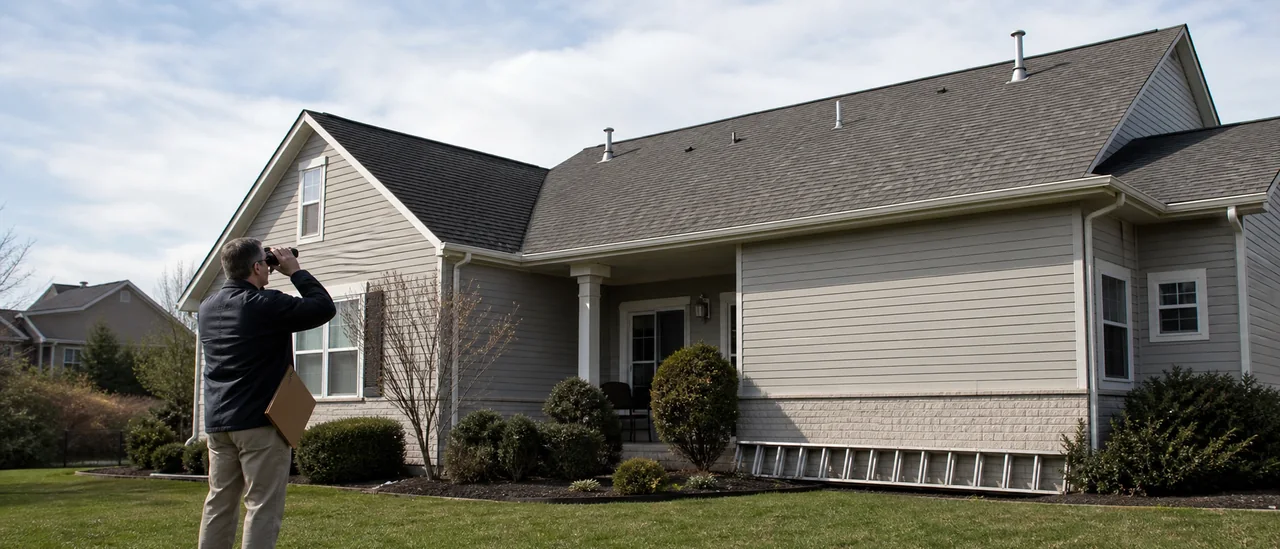
- Snow, rain, height, steepness, fragile materials, solar panels, vegetation, or limited attic access restricted visibility.
- The roof has multiple layers, an unusual system, a recurring leak history, or a repair that lacks close-out documentation.
- The inspector recommends further evaluation, or the likely repair could affect your decision or financing.
Ask the roof inspector to identify the access method, areas viewed, areas excluded, visible deficiencies, photographs, and any need for a more specialized test. A visual inspection can document exposed conditions and signs consistent with leakage or deterioration. It cannot guarantee future watertightness or confirm concealed decking, underlayment, fasteners, or moisture without an appropriate additional method.
Fit the decision to the transaction
Timing matters as much as scope. The Consumer Financial Protection Bureau advises scheduling an independent home inspection promptly so there is time for additional inspections. It also notes that inspection-related rights depend on the purchase contract, while some loan programs may impose property conditions or require repairs before closing.
Do not assume a seller disclosure, warranty, permit record, appraisal, or general inspection answers the same question as a focused roof evaluation. Each document has a different purpose, and rules vary by contract, lender, loan program, and jurisdiction.
Before the inspection contingency or due-diligence period expires, have an independent roof inspector review the general inspection report, seller disclosures, roof invoices, permits, warranties, and appraisal conditions, then issue the focused written findings the transaction requires.