On this page
Replace only when the evidence supports it
Do not replace a roof before selling solely because it is old. Replace it when a qualified inspection finds failure or damage that calls for full replacement, or when the buyer’s financing cannot close with the roof in its present condition. A sound, functional roof with only minor maintenance needs can usually be disclosed and sold as is.
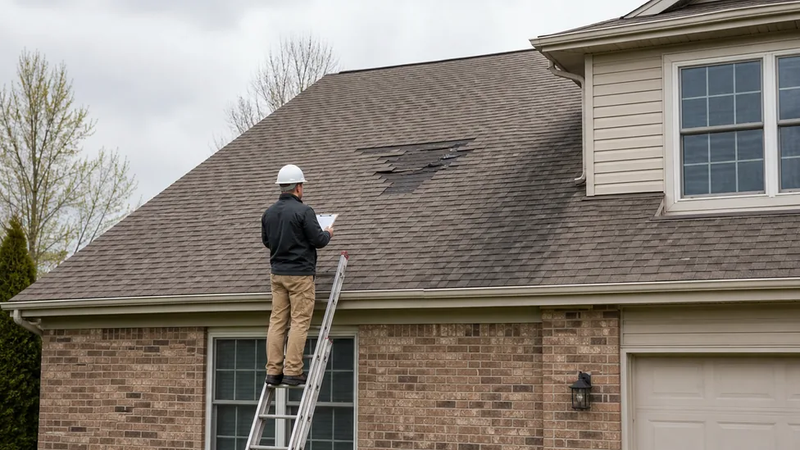
The answer changes if there are active leaks, widespread covering failure, deteriorated decking, or unresolved conditions affecting safety or structural integrity. Those findings may make replacement more practical than entering a contract with uncertain repairs.
Compare the transaction paths
Age is context, not a diagnosis. Installation records, repair history, material type, visible condition, attic evidence, and remaining serviceability provide better decision support than age alone.
| Inspection and transaction finding | Usually favors | Why it matters |
|---|---|---|
| No leaks; covering and flashings remain serviceable | Sell as is | Replacement may add cost without removing a documented defect |
| Localized, repairable defects | Repair and document | A defined repair can be clearer than replacing a functional system |
| Widespread failure or moisture-damaged components | Consider replacement | The scope may exceed a reliable spot repair |
| Buyer’s lender makes closing subject to roof work | Follow the written loan condition | The sale may not close until the condition is satisfied |
Fannie Mae guidance illustrates why severity matters in financed sales. It permits an appraisal “as is” when conditions are minor and do not affect safety, soundness, or structural integrity. More severe deficiencies can produce a repair condition instead. Other loan programs and lenders apply their own requirements, so an appraiser’s observation is not a universal replacement order.
The Consumer Financial Protection Bureau likewise distinguishes an inspection from an appraisal. It notes that a lender may require major repairs, including a new roof, before closing or may permit money to be reserved for work after closing. The actual loan program and lender decision control.
When replacement can help—or create risk
Replacement can reduce uncertainty when the work is clearly necessary and the seller has enough time to complete it properly. It also creates a clean set of records for buyers: contract, permit when required, scope, paid invoice, inspection sign-off, and any transferable warranty information.
But replacing immediately can create new problems. A rushed project may delay listing, uncover deck or structural work, or conflict with a buyer’s preferred materials. The seller may also spend more than the transaction recognizes. Avoid assuming that replacement cost will be recovered through a matching price increase.
Selling without replacement does not mean ignoring the condition. Known defects and prior repairs should be handled through the disclosures required in the property’s jurisdiction and the sales contract. A credit, price adjustment, repair agreement, or escrow arrangement may be possible, but those options require agreement among the parties and, where financing is involved, lender acceptance.
Inspection and appraisal answer different questions
A roof inspection describes observable condition and recommended work within its stated scope. An appraisal addresses value and applicable lender or loan-program requirements. One does not substitute for the other.
Build a decision file before listing
Start with an independent roof inspection that identifies the covering, observed defects, evidence of leakage, accessible attic conditions, and anything not inspected. Home-inspection standards commonly limit the work to visible, readily accessible components, so ask whether a roof specialist should evaluate any unresolved condition.
Then compare the written findings with repair estimates, your listing schedule, required seller disclosures, and likely financing constraints. If a purchase contract already exists, do not promise replacement, credit, or closing treatment outside its terms.
Before deciding, have an independent roof inspector document the roof’s present condition and recommended scope. Ask the transaction’s lender, real-estate attorney, or other qualified local specialist to review any financing condition, disclosure duty, or contract term that could determine who must complete or pay for the work.