On this page
Treat the recommendation as a lead
You can use the roof inspector your realtor recommends, but only after independently checking the inspector’s qualifications, conflicts, scope, and reporting terms. Choose someone else if the inspector is not accountable to you, will be paid only if the sale closes, has an undisclosed transaction relationship, or cannot examine the roof issue that concerns you.
A referral alone establishes neither bias nor competence. The Consumer Financial Protection Bureau advises buyers to select an independent inspector who is accountable to them and provides an honest assessment.
Check the inspector, not just the referral
Ask who selected the inspector, who will sign the agreement, and who pays the fee. The agreement should identify you as the client and make payment independent of closing or the report’s conclusions.
Then verify the property jurisdiction’s requirements. Licensing, required standards, and prohibited conflicts vary. Check the relevant authority rather than assuming a national credential replaces local requirements.
Before scheduling, request:
- the inspector’s license number, when licensing applies;
- a sample roof report and written standard of practice;
- a description of any business, financial, or referral relationship with transaction participants;
- the fee, payment timing, and cancellation terms; and
- confirmation that the report will be delivered before your contract deadline.
CFPB also recommends checking references and the applicable state or county licensing authority. A realtor’s experience can help create a shortlist, but those checks remain yours.
A second opinion is reasonable when the stakes change
Consider another qualified inspector when the first inspector cannot access a disputed area, the report recommends specialist evaluation, visible conditions conflict with seller documents, or a lender or contract requires a particular credential or report form.
Confirm what “roof inspection” includes
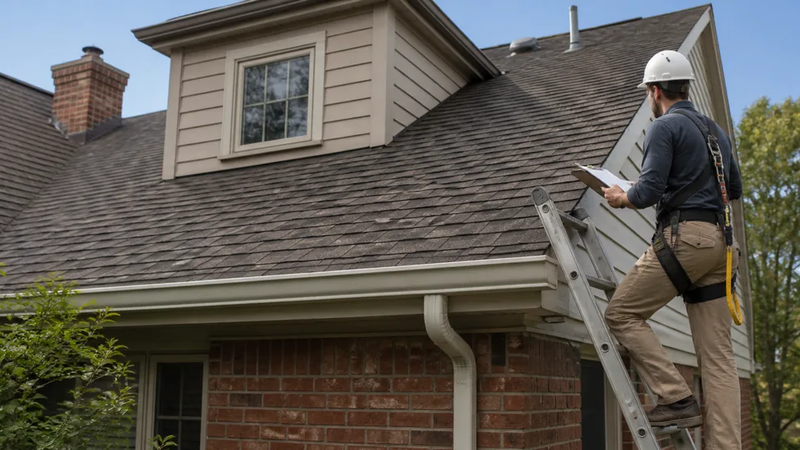
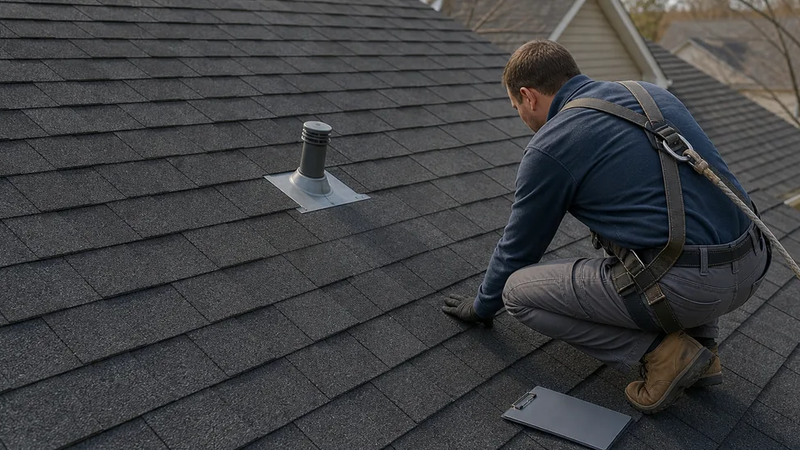
The label can describe different scopes. Under the American Society of Home Inspectors’ voluntary Standard of Practice, the roofing inspection includes roofing materials, drainage systems, flashing, skylights, chimneys, and roof penetrations. The inspector must describe the roofing materials and the inspection method used.
That standard is a comparison point, not a universal legal requirement. Ask whether the inspection follows it, a state standard, or a narrower roof-only agreement. Ask how the inspector will view the roof and whether accessible attic areas are included.
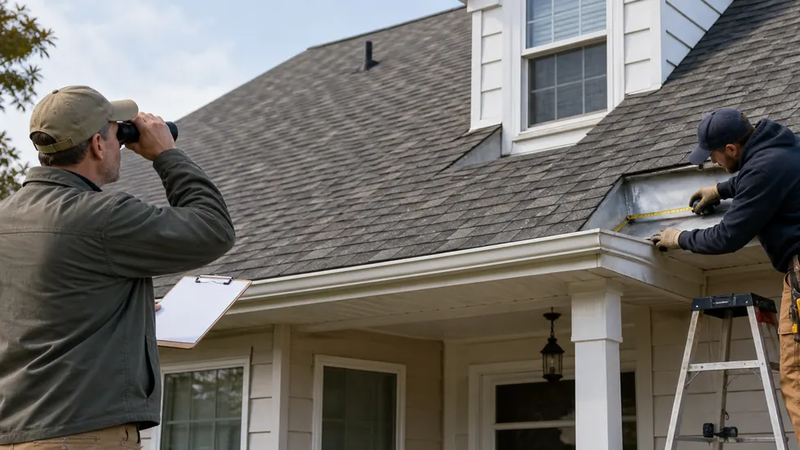
The method matters because a visual inspection is not technically exhaustive. ASHI’s standard does not require identification of concealed conditions or latent defects. A steep, wet, fragile, snow-covered, or otherwise inaccessible roof may limit close observation, and the report should state what was not inspected and why.
Review the report against the transaction
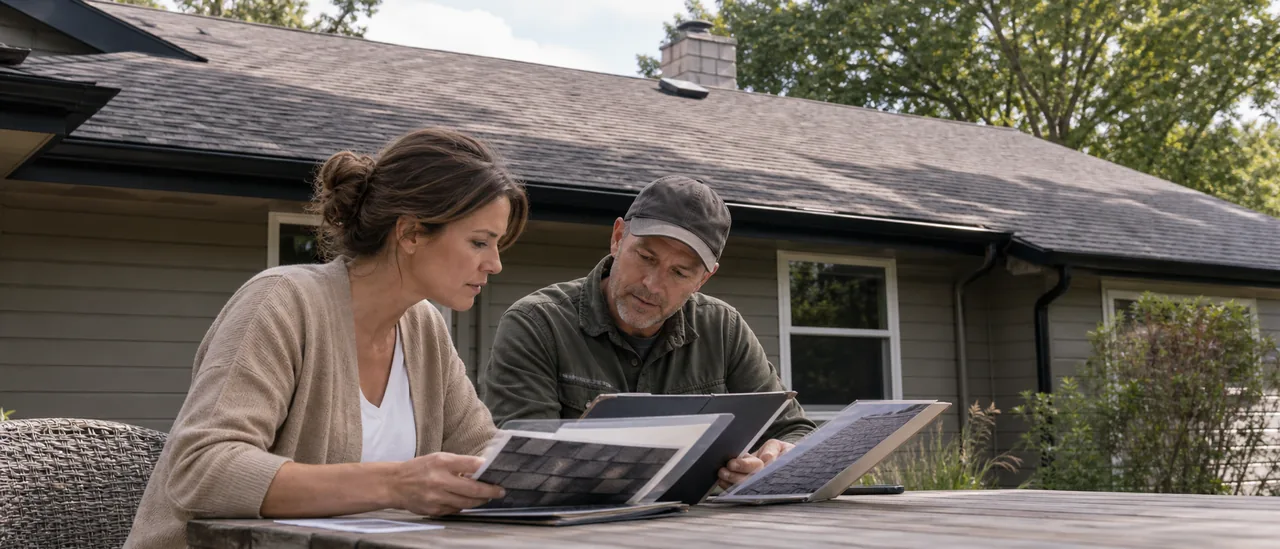
A useful report identifies observed conditions, relevant photographs, limitations, and unconfirmed causes. It should not imply that inaccessible decking, underlayment, or hidden moisture were cleared because no defect was visible.
Read the purchase agreement before relying on any inspection. Inspection contingencies, notice procedures, repair requests, and deadlines depend on the contract and jurisdiction. An appraisal is also not a substitute for an inspection; federal housing guidance distinguishes the lender’s valuation from the buyer’s condition review.
The safest decision is therefore conditional: accept the referral only when your own checks support independence and competence, and the written scope answers the roof question within the available transaction time. Before the applicable deadline, review the inspection agreement and final report against the purchase contract, then obtain the specialist, lender, or legal review the documents specifically require.