On this page
Use a holder only as part of a safe setup
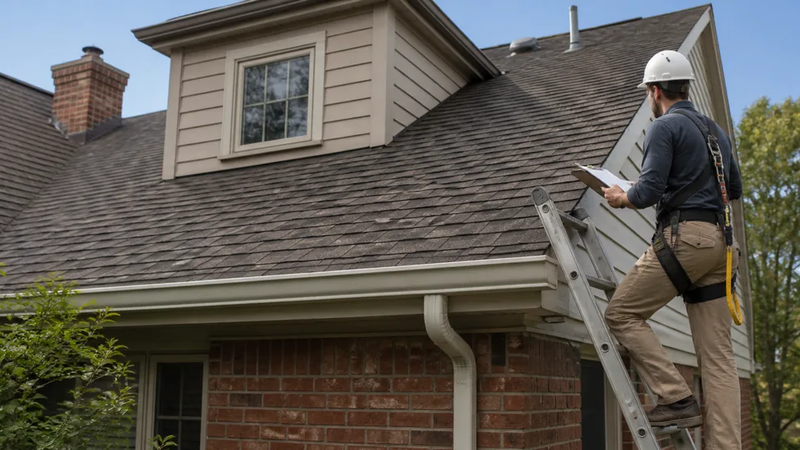
Yes—someone should hold the ladder when it cannot otherwise be secured and the inspection must use it. The answer changes if the ladder, surface, weather, access point, or nearby hazards make climbing unsafe; a holder does not make that setup acceptable.
“Holding” means actively helping prevent a portable ladder from shifting while another person climbs. It is not simply watching from nearby. A second person can also keep others away and alert the climber, but those actions do not replace firm footing, correct placement, or any required restraint.
For workplace inspections, the employer’s safety program and applicable regulations control. OSHA’s construction rule requires portable ladders to stand on stable, level surfaces unless they are secured against displacement. On slippery surfaces, OSHA recognizes placing, lashing, or holding the ladder as precautions, while warning that slip-resistant feet alone are not a substitute.
Decide from the setup, not from habit
The safer choice is to secure the ladder to a rigid support when the setup allows it. OSHA’s construction guidance calls for securing the side rails at the top when an extension ladder cannot project three feet above an upper landing. NIOSH also notes that a coworker can help keep a ladder secure.
Use this decision check before anyone climbs:
| Condition | Decision |
|---|---|
| Stable, level base; firm upper contact; ladder properly secured | A holder may still serve as a spotter if the site plan calls for one. |
| Physical securing is not feasible, but all other conditions are acceptable | Use a capable, instructed holder and follow the ladder maker’s directions and workplace plan. |
| Slippery, soft, uneven, or unstable footing | Do not rely on a holder to rescue the setup. Relocate or use an approved method that prevents displacement. |
| Traffic, a doorway, or work activity could strike the ladder | Secure it or barricade the area; a person merely standing nearby is insufficient. |
| Wind, rain, ice, electrical exposure, a damaged ladder, or unsafe roof access | Stop the ladder portion of the inspection. |
A holder is not fall protection
Holding the base may reduce ladder movement. It cannot prevent the climber from losing balance, protect someone on the roof, or correct the wrong ladder, angle, length, or load rating.
What a visual check can confirm
Before use, look for cracked or broken rungs, damaged rails, feet, and locking components. Confirm that the climbing area is clear, both rails have firm upper support, and the ladder is positioned for the intended access. OSHA requires workplace ladders to receive periodic competent-person inspections and to be checked after an event that could affect safe use.
A visual check cannot prove that a questionable component is structurally sound. It also cannot confirm that a makeshift anchor will resist movement or that a helper can control a ladder once it starts sliding. If damage, movement, or uncertainty appears, remove the ladder from use rather than testing it with a person aboard.
The safe next step
Agree on the setup before the inspection starts: who is climbing, how the ladder will be secured, whether a holder is needed, and how the area will be controlled. Follow the manufacturer’s labels, the employer’s ladder procedure, and applicable OSHA requirements. If the ladder cannot be placed and secured safely—or conditions change—stop the climb and use an inspection method that does not require that access.