On this page
Do not close until the failure has a documented solution
Usually, you should not buy a house with a confirmed failed septic drain field unless a qualified septic specialist defines a feasible, permitted solution before closing. The answer may change when the design is approved, costs and responsibility are settled in writing, and the lender accepts the arrangement.
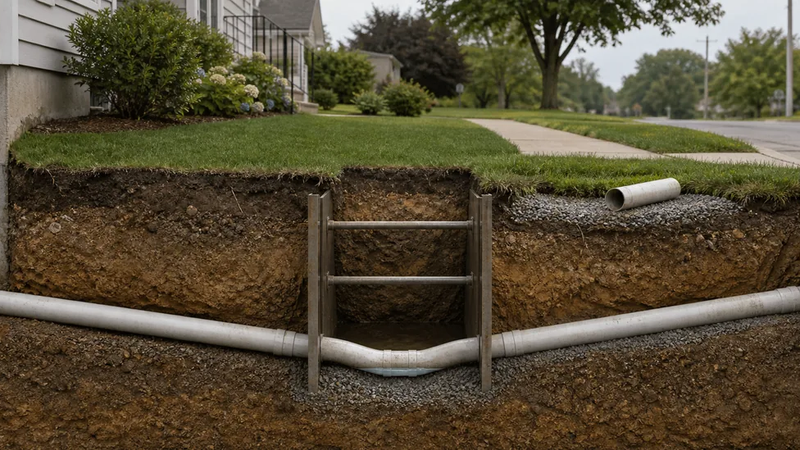
A drain field—also called a leach field or soil absorption area—is the part of an onsite septic system that distributes effluent into soil for treatment and dispersal. “Failed” should mean more than an odor or slow drain. Those symptoms can have other causes. A specialist should identify whether wastewater is surfacing, backing up, ponding within the field, or otherwise not being properly treated and dispersed.
Conditions that can make the purchase workable
The purchase may be reasonable when the problem and remedy are no longer open-ended. That requires more than a repair estimate. Before treating the risk as manageable, confirm:
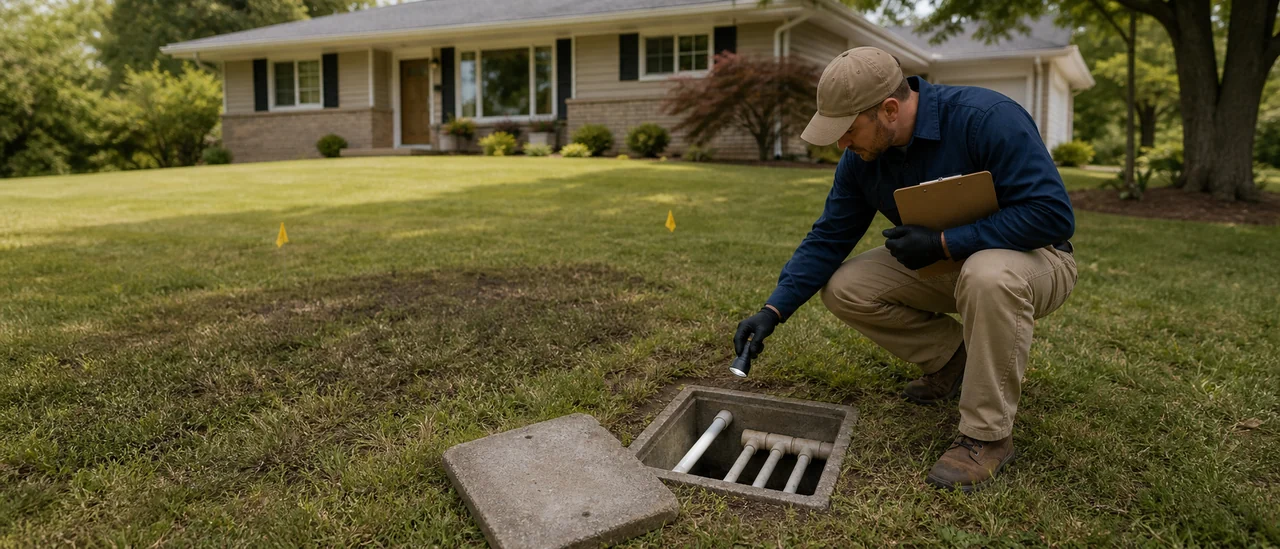
- the inspection covers the tank, distribution components, drain field, and relevant controls—not only a tank pump-out;
- the proposed repair or replacement fits the site, bedrooms or design flow, and intended household use;
- the permitting authority has accepted the design or identified the approval path;
- the property has a suitable replacement area, or an approved alternative is available;
- a written contract term allocates payment, completion, delays, and failed approval; and
- the lender, appraiser, and any insurer involved will accept the property and repair arrangement.
These conditions do not make the system risk-free. They convert an unknown defect into a defined transaction issue that can be priced and assigned.
A home inspection is not a septic-system approval
ASHI’s general Standard of Practice does not require inspection of septic or other sewage-disposal systems. Order a separate evaluation from a qualified septic professional whose scope includes the drain field.
When walking away is the safer decision
Reconsider the purchase if the seller will not allow a complete evaluation or provide records. The same applies when no compliant replacement area has been demonstrated, the repair depends on an unapproved design, or bids omit excavation, restoration, engineering, permits, or related components.
Financing can also change the answer. A repair credit at closing does not help if the lender requires the system to be acceptable before funding. Likewise, a low bid offers little protection if local rules require a different design. Septic regulation is largely state and local; EPA notes that local health departments commonly issue construction and operating permits under state law.
Active sewage surfacing or backing up deserves immediate attention because it can create a health and environmental hazard. Do not rely on reduced water use, pumping, or verbal assurances as proof that a failed absorption area has been restored.
Documents to obtain before deciding
Ask for the original permit, approved design, as-built drawing, inspection reports, pumping and maintenance records, repair history, enforcement notices, and any easements or recorded operating conditions. Compare the permitted capacity with the home’s bedroom count and your intended use.
Then obtain a written specialist report that distinguishes the failed component from the rest of the system. It should state the inspection method, observed evidence, proposed remedy, site constraints, and whether more design or soil work is necessary. Get itemized bids and the local authority’s written permit or repair requirements.
Before removing an inspection contingency or closing, have the septic report, records, proposed design, bids, contract language, and lender conditions reviewed by the qualified septic specialist, local permitting authority, lender, and your real-estate attorney or licensed transaction professional.