On this page
Buy only after the problem is defined and resolved
Do not reject the house solely because one well-water sample found bacteria. Proceed only if an independent test identifies the result, a qualified well professional finds the likely entry route, and corrective work is followed by acceptable laboratory results.
The answer changes if the report finds fecal coliform or E. coli, repeated samples stay positive, or no one can explain how contamination entered the well. In those cases, delay the purchase decision rather than treating routine disinfection as proof of a lasting repair.
Treat the water as unresolved during the transaction
Do not rely on taste, odor, or appearance, and do not assume a seller-performed disinfection made the water potable. Follow the local health department's guidance on safe water use until properly collected follow-up samples meet the applicable standard.
Read the laboratory result precisely
“Bacteria” can describe different findings. Total coliforms are indicator organisms found in soil, plants, surface water, and digestive systems. A positive total-coliform result signals a possible pathway for contamination; it does not by itself identify a disease-causing organism.
Fecal coliform or E. coli is more concerning. The Centers for Disease Control and Prevention says a positive result for either likely means fecal material and associated germs entered the water. Ask the laboratory report to distinguish total coliform from fecal coliform or E. coli, rather than accepting a verbal statement that the well “has bacteria.”
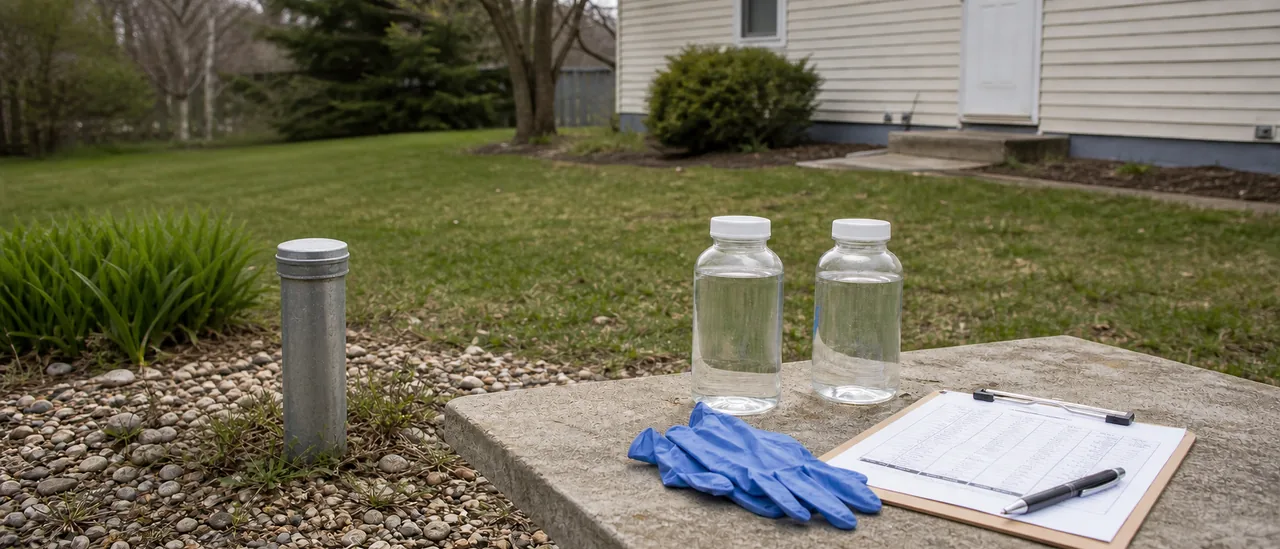
Use a state-certified drinking-water laboratory and follow its sampling instructions. The CDC also advises testing private wells at least annually for total coliform, nitrate, total dissolved solids, and pH, with additional local contaminants selected through the health department. A bacteria-only result therefore should not be represented as a complete water-quality assessment.
Decide whether the fix addresses a source
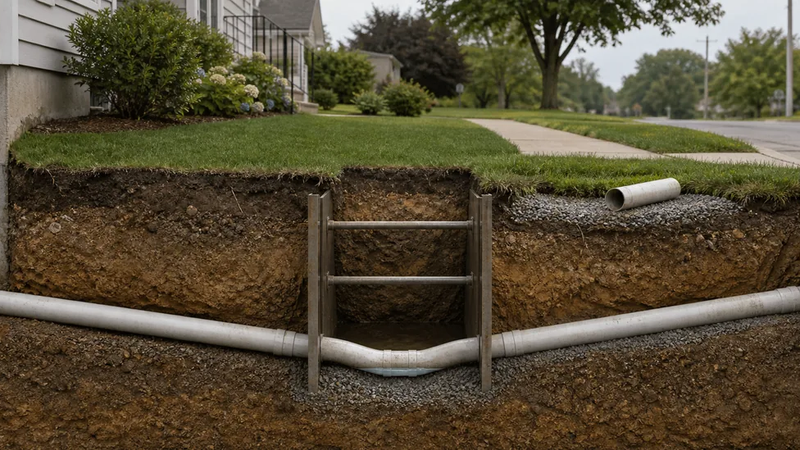
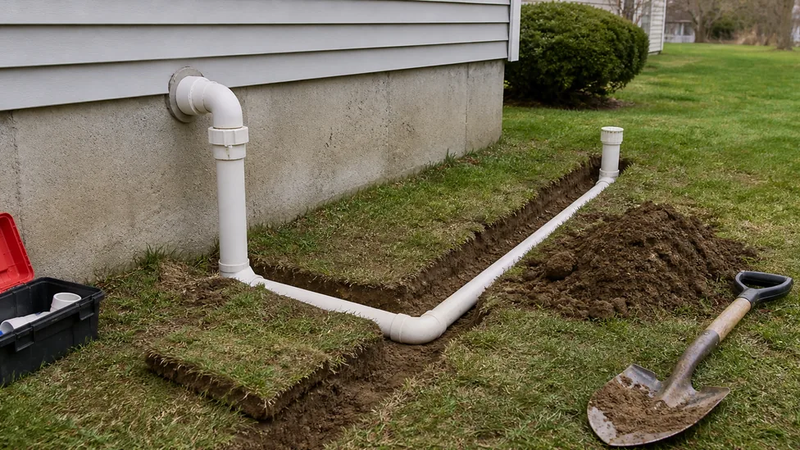
A favorable purchase case has a limited, documented cause and a credible correction. Examples could include a damaged cap, poor surface drainage, recent well work, or another condition identified by the well professional. The useful record is not merely an invoice for disinfection; it shows the observed condition, the repair, and later laboratory results.
EPA guidance notes that some bacteria problems can be controlled with disinfection. It also says the appropriate response depends on the contaminant, its concentration, and the well's condition; a different treatment or even a new water source may be needed. Persistent contamination after disinfection therefore deserves a broader investigation of the well construction and surrounding conditions.
Compare these transaction signals:
| More support for proceeding | Reason to pause or renegotiate |
|---|---|
| Certified-lab report identifies the organism tested | Result is incomplete, seller-collected, or only described verbally |
| Well specialist documents a plausible source and repair | Source remains unknown or a defect remains uncorrected |
| Follow-up samples after the work are acceptable | Repeat samples remain positive |
| Lender and local authority accept the records | Required approval or testing remains open |
Make the contract decision from independent records
A standard home inspection may identify that the water supply is private, but water-quality sampling can be a separate service. ASHI's published consumer guidance describes well-water potability sampling as outside the standard home-inspection scope. Confirm exactly who will inspect the well components, collect the sample, and interpret the laboratory report.
Before a contingency or closing deadline, obtain the certified laboratory reports, sampling dates and collector information, well and repair records, and any local health-department documentation. Have a qualified well contractor inspect the system and suspected contamination route, then ask the lender, closing attorney, and applicable local authority whether the evidence satisfies the loan, contract, and jurisdictional requirements.