On this page
Buy only after the uncertainty is resolved
Do not commit to buying solely because a bowed basement wall looks repairable or the price seems discounted. Proceed only if an independent structural evaluation defines the condition and needed work, the transaction accounts for that work, and your lender accepts the property.
The answer can change when credible records show a completed, effective repair and the wall is stable. It can also change if the engineer identifies limited work with a clear scope that fits your budget, timeline, financing, and tolerance for disruption.
What “bowed” means—and what it does not prove
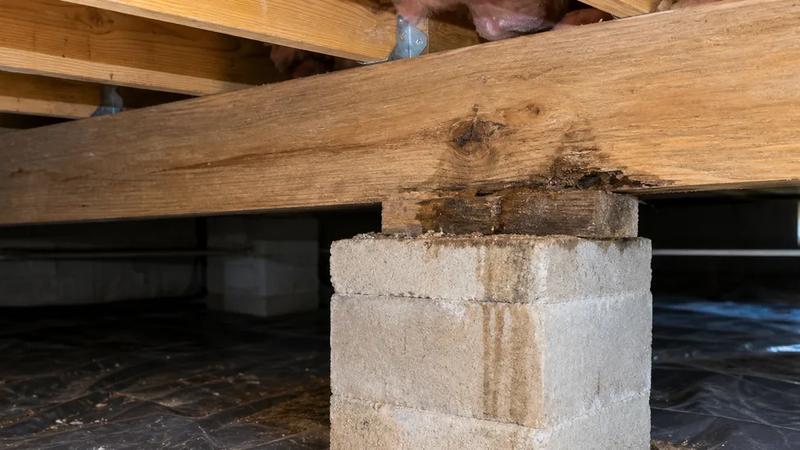
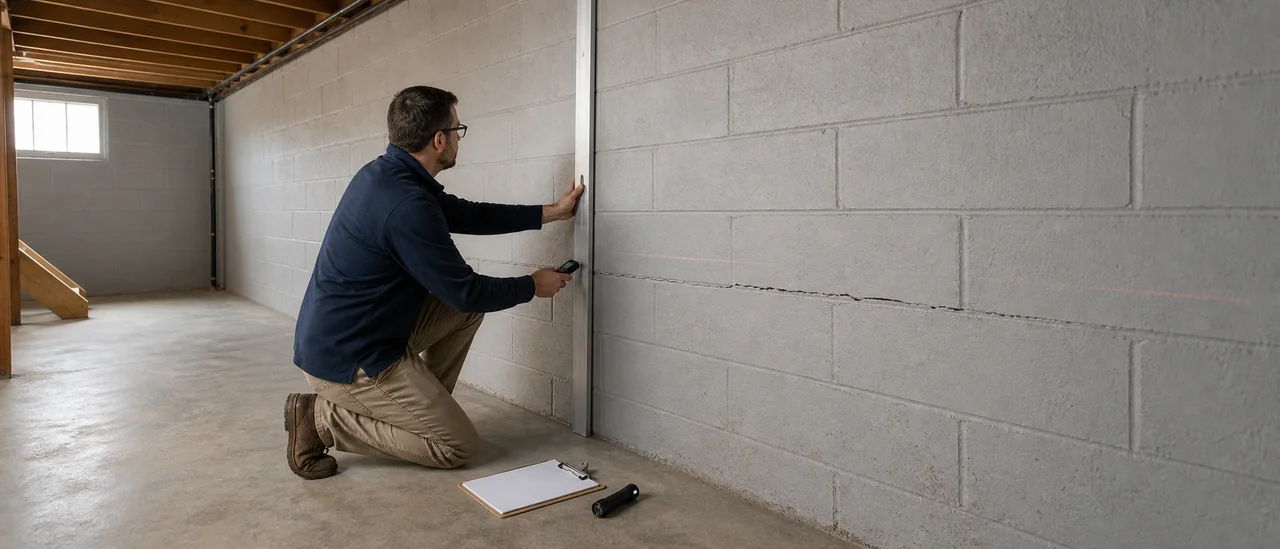
A bowed wall curves or shifts away from its intended straight, vertical plane. The displacement may face inward or outward and may appear with horizontal cracks, stair-step cracks, separated mortar joints, or water staining.
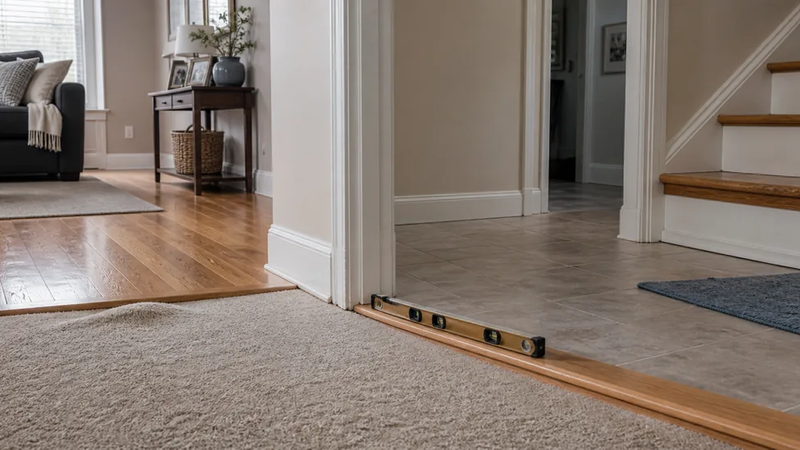
The appearance alone does not establish the cause, remaining capacity, rate of movement, or correct repair. Wall material, reinforcement, height, soil conditions, drainage, previous alterations, and the location and shape of displacement all matter. A photograph or a single crack-width measurement cannot settle the purchase decision.
Do not treat a general inspection as structural clearance
A home inspector can report visible foundation conditions and recommend further evaluation. The InterNACHI Standards of Practice do not require engineering services or an opinion on the adequacy of structural systems, so obtain a structural engineer’s property-specific conclusions before removing a relevant contingency.
Evidence that supports proceeding
A purchase becomes more defensible when the available information agrees rather than conflicts. Look for:
- an engineer’s report identifying the wall, observations, measurements, conclusions, and recommended work;
- dated photographs or monitoring records that help show whether movement has changed;
- repair proposals tied to the engineer’s scope, rather than a generic wall-system quote;
- permits, final approvals, invoices, plans, warranties, and transfer terms for prior work;
- drainage or water-management findings that address contributing site conditions; and
- a purchase price and reserve that reflect uncovered work and reasonable uncertainty.
Verify that reports actually describe this property and the present condition. An old invoice proves that someone billed for work; it does not establish current performance or confirm that the repair followed an engineer’s design.
Conditions that should stop or delay the purchase
Pause if the wall is still moving, significantly displaced, deteriorated, wet, concealed behind finishes, or unsupported by reliable records. Conflicting opinions, inaccessible areas, missing permits, or a seller who will not allow specialist access also leave major questions unresolved.
The financial issue extends beyond a repair estimate. Opening finished walls, moving utilities, excavation, drainage correction, engineering, permits, and restoration may affect scope and timing. Avoid assuming that a seller credit will cover the final work.
Financing and contract terms can independently change the answer. The Consumer Financial Protection Bureau notes that inspections and appraisals serve different purposes, some loan programs may require repairs, and cancellation rights depend on the purchase contract. A satisfactory engineering report therefore does not guarantee lender approval or preserve a buyer’s right to renegotiate.
Make the decision from documents, not reassurance
Before the inspection deadline, obtain the seller’s disclosures and all prior foundation reports, repair designs, permits, invoices, warranties, and monitoring records. Have a licensed home inspector document the accessible house as a whole, then have a structural engineer evaluate the bowed wall and any proposed or completed repair.
Give the engineer’s report and repair scope to the lender before removing financing or inspection protections. Have the appropriate real-estate attorney or licensed transaction professional review how your contract treats access, deadlines, repairs, credits, cancellation, and transferred warranties.