On this page
Do not buy until the structural uncertainty is resolved
Do not buy a house with rotted support beams unless a structural engineer defines the damage and repair, the moisture source is addressed, and the transaction makes that outcome affordable and enforceable. The answer can change to yes when decay is limited, the proposed repair is technically adequate, and your lender accepts the documented plan.
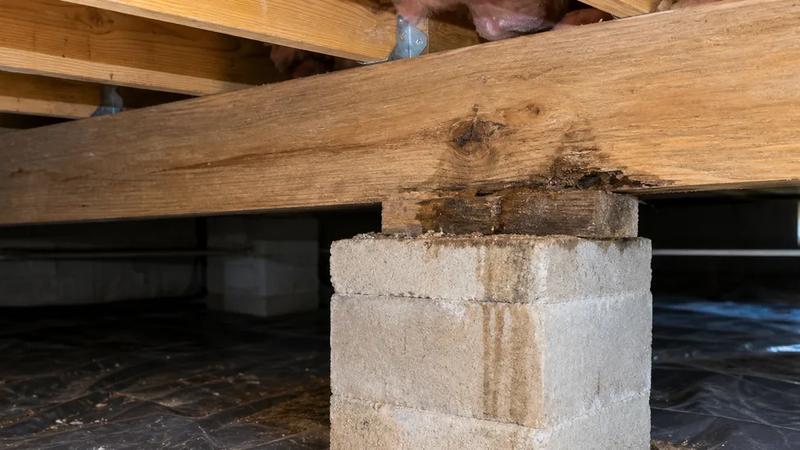
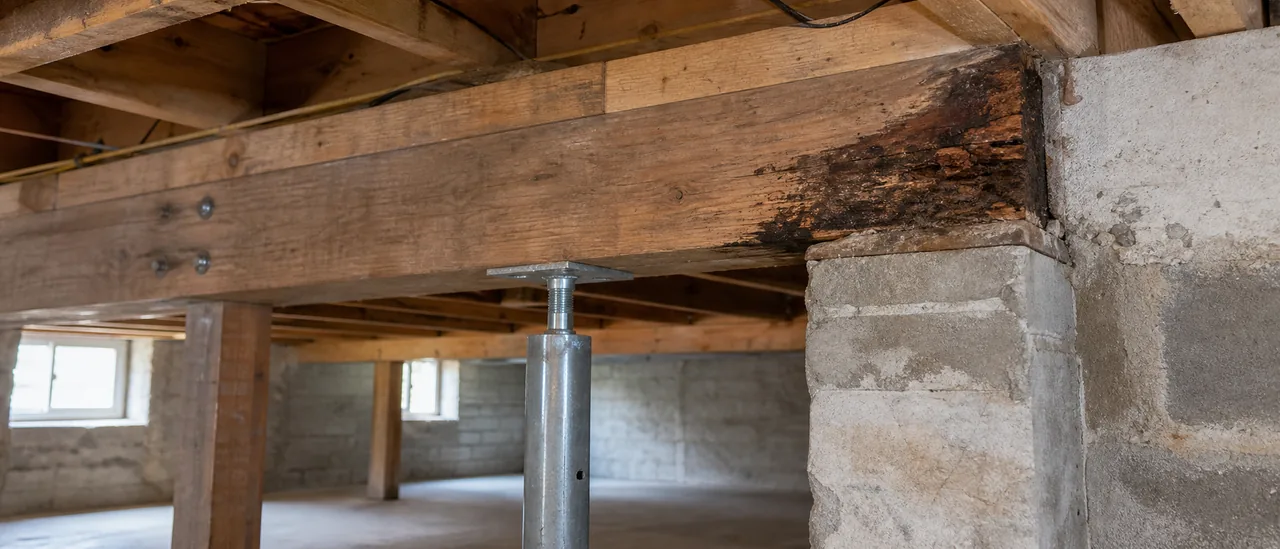
“Support beam” is an informal description of a horizontal member carrying loads from joists, walls, or other parts of the house. “Rotted” generally describes fungal decay of wood, but a listing, disclosure, or inspection note does not establish how much usable capacity remains.
Drying the area matters because moisture increases wood’s susceptibility to decay. Oregon State University Extension advises drying construction wood below 20% moisture content because wood below that level is less susceptible to fungal attack. Even after drying, the remaining sound section and load capacity still need evaluation, so moisture correction and structural repair are separate questions.
The decision gate
Proceed only after written findings answer three questions: What is damaged? Why did it decay? What work will restore an acceptable load path? A repair estimate without those answers leaves the largest risk undefined.
Conditions that can support a purchase
A purchase may be reasonable when the evidence points to a contained, repairable condition. Look for all of the following:
- accessible framing has been evaluated beyond the visibly damaged surface;
- an engineer’s written scope identifies affected members, temporary support needs, connections, and required permits or follow-up inspection;
- the source—such as leakage, drainage, ground contact, or chronic condensation—has a defined correction;
- independent estimates cover structural work, access, finishes, moisture correction, permits, and a contingency for concealed damage;
- the price and contract allocate those costs and delays in a way you can accept; and
- your lender confirms the property and proposed repair arrangement fit the specific loan program.
A general home inspection remains useful for documenting visible conditions across the house. It is not the same as an engineering analysis. InterNACHI’s standard, for example, covers accessible structural components but does not require an inspector to determine the adequacy of support systems or provide engineering services.
Factors that should change the answer
| Finding | Practical meaning for the decision |
|---|---|
| Extent is concealed or disputed | Treat repair scope and price as unresolved, not as a small known defect. |
| Active moisture has no verified source | New work may remain exposed to the condition that caused the decay. |
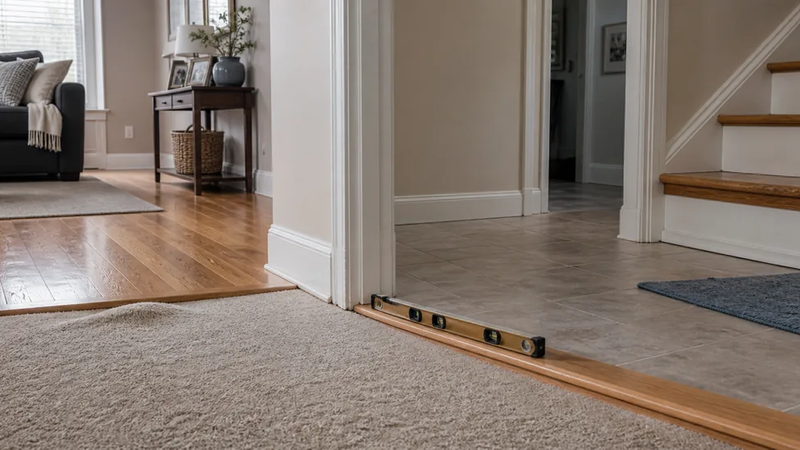
| Floors sag, supports have shifted, or temporary posts are present | Pause for an engineer’s evaluation before relying on a repair quote. |
| Seller proposes a cosmetic patch without design documents | Do not assume the load path or damaged connections will be restored. |
| Lender or appraiser requires repair or specialist clearance | Closing may depend on satisfying that written condition. |
| Inspection or financing deadlines are expiring | Obtain contract advice before waiving rights or depositing nonrefundable funds. |
Financing rules vary. As one important example—not a universal mortgage rule—Fannie Mae requires deficiencies affecting safety, soundness, or structural integrity to be appraised subject to repair, or to a satisfactory inspection when the appraiser lacks the relevant expertise. Ask your lender about your actual loan rather than assuming a seller credit resolves eligibility.
Make the decision through documents, not assurances
Your options depend on the purchase contract and local law. CFPB guidance notes that repair negotiations depend on contract terms and that an inspection contingency may permit cancellation when the buyer is dissatisfied. Do not assume you can renegotiate, extend deadlines, or cancel without reviewing the signed language.
Before removing an inspection or financing contingency, obtain the home inspection report, a site-specific structural engineer’s report and repair design, moisture-source findings, itemized independent estimates, permit requirements, and written lender acceptance. Have the relevant contract terms reviewed by a qualified local real-estate attorney or other authorized transaction professional.