On this page
Buy only when the uncertainty is resolved
You should buy a house with an unpermitted addition only if you can confirm its physical condition, determine the local path to approval, and accept the documented cost and financing consequences. If those answers remain uncertain before your contractual deadlines, renegotiating or declining the purchase is the safer decision.
“Unpermitted” may mean no required permit was issued, or that a permit existed but inspections and final approval were never completed. It does not prove the addition is defective. It does mean ordinary appearance alone cannot establish that the work was approved.
A permit number is not the finish line
Ask whether the permit covers the actual addition and whether every required inspection received final approval. An open, expired, or unrelated permit does not resolve the record mismatch.
Conditions that can support the purchase
The risk may be manageable when the local building department confirms a clear legalization process and the seller provides plans, permits, inspection results, and final approvals that match the existing space. A favorable independent inspection and any needed structural, electrical, plumbing, or mechanical evaluations should also agree with those records.
Financing must be addressed separately. Fannie Mae instructs an appraiser who identifies an addition without a required permit to comment on the work’s quality and appearance and any effect on market value. That appraisal treatment does not legalize the addition or replace a condition inspection.
A purchase is easier to justify when the agreement assigns responsibility clearly. Depending on the contract and local law, that might mean the seller obtains approval before closing, the price reflects a documented correction scope, or the buyer retains a contractual exit if the lender or building authority rejects the property.
Factors that change the answer
Pause when the current layout does not match permit, assessor, or occupancy records. The same applies when officials require after-the-fact permits, additional inspections, corrections, or other compliance work. Local procedures vary, so a process used in another city is not a dependable estimate.
| Evidence before closing | What it tells you | What it cannot prove alone |
|---|---|---|
| Permit history and approved plans | What officials authorized | That construction matches the plans |
| Final inspection or occupancy record | What the authority accepted | Current physical condition |
| Home inspection | Visible condition and significant defects within scope | Permit status or complete code compliance |
| Specialist evaluation | Condition of a defined structure or system | Legal status or lender acceptance |
| Appraisal and lender decision | Value and loan acceptability for that transaction | Safety or local approval |
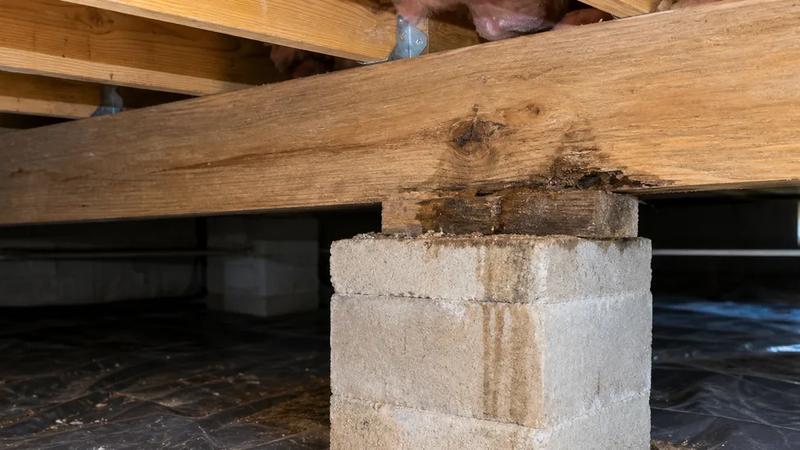
Treat missing structural connections, altered load paths, unsafe wiring, inadequate exits, water intrusion, or inaccessible work as more than paperwork concerns. A standard home inspection is valuable but limited: the Consumer Financial Protection Bureau distinguishes it from an appraisal and advises arranging additional inspections early enough to resolve problems.
Also consider future consequences without assuming an outcome. The current owner may have to complete the local approval process, and unresolved status can affect valuation, financing, use of the space, renovations, or a later sale. The actual result depends on local records, applicable rules, the loan program, and the purchase contract.
Documents and reviews to obtain before deciding
Request the complete property file from the city or county building department, including issued permits, approved plans, inspection records, correction notices, certificates of completion or occupancy, and any open enforcement case. Compare those documents with the addition’s present size, use, and systems.
Then give the records and disclosures to the lender before the financing contingency expires. Have a qualified home inspector evaluate the property, and obtain licensed structural or system-specialist reviews wherever the addition’s work or the inspector’s limitations require them. Before removing contingencies or accepting responsibility for legalization, have the local building authority define the approval path and a qualified real-estate attorney review the contract and jurisdiction-specific obligations.