On this page
Attend, but do not shadow every step
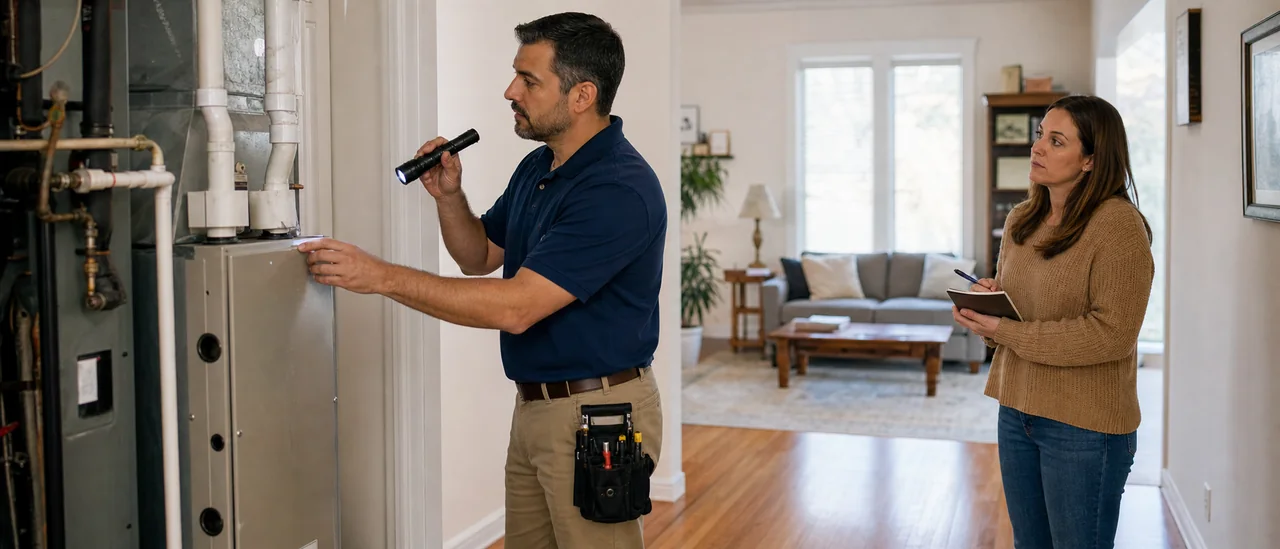
Yes—attend the home inspection if you can, stay within conversational reach, and let the inspector set the pace. Following closely into every space can distract the inspector or create a safety problem. The better approach is to observe from a respectful distance and ask when questions fit naturally.
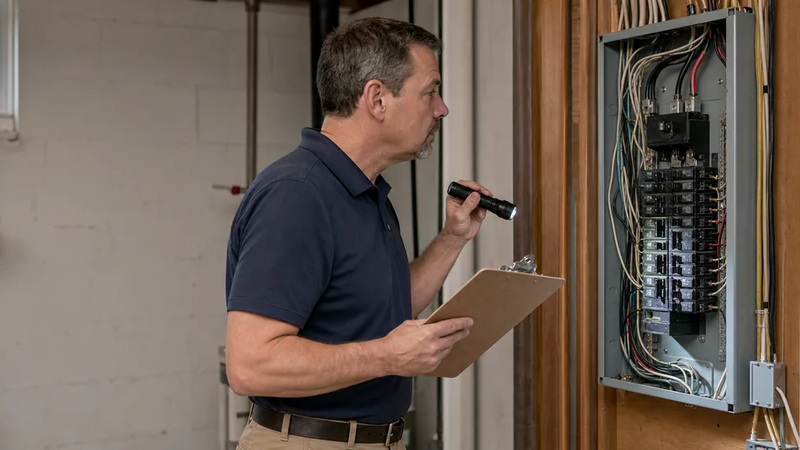
The main exception is any area the inspector says is unsafe, restricted, or too tight for another person. Do not follow onto a roof, into an electrical panel work area, or through a difficult attic or crawl-space access unless the inspector expressly invites you and conditions allow it.
The Consumer Financial Protection Bureau recommends attending when possible because being present can make the report easier to interpret and give you opportunities to ask questions. Attendance is useful; constant proximity is not required.
How to make your presence helpful
Ask the inspector before starting how they prefer to handle questions. Some explain findings as they work. Others need quiet during a system check and reserve longer discussions for a room-by-room recap or final walkthrough.
A simple routine keeps the inspection moving:
- Stay behind the inspector and keep doorways, stairs, panels, and tools clear.
- Save negotiation or repair-cost questions for your real-estate or qualified repair adviser.
- Ask what was observed, why it matters, and whether the report will identify a next step.
- Take your own notes, but rely on the written report for the inspector’s documented findings.
- Avoid testing controls, moving belongings, or opening equipment unless asked.
If several people attend, choose one person to ask most questions. A crowd can make small rooms difficult to inspect and increases the chance that an explanation gets lost.
When to step back
Give the inspector space during ladder use, roof observations, electrical-panel inspection, equipment operation, and entry into confined or unfinished areas. Children and pets should remain with another responsible adult and away from the work path.
The inspection has visual limits
A standard home inspection examines accessible areas and is not technically exhaustive. Concealed or inaccessible conditions may remain unconfirmed even when you attend the entire appointment.
InterNACHI’s standard describes a home inspection as a non-invasive visual examination of accessible residential areas. It also says inspectors are not required to enter areas they consider unsafe or not readily accessible. Your presence cannot expand that scope or turn a visible observation into confirmation of a hidden condition.
The inspector may also ask everyone to step away temporarily to concentrate, protect privacy, or avoid influencing a test. That request is normal. You can ask for a recap after the task is complete.
Use the final walkthrough and report together
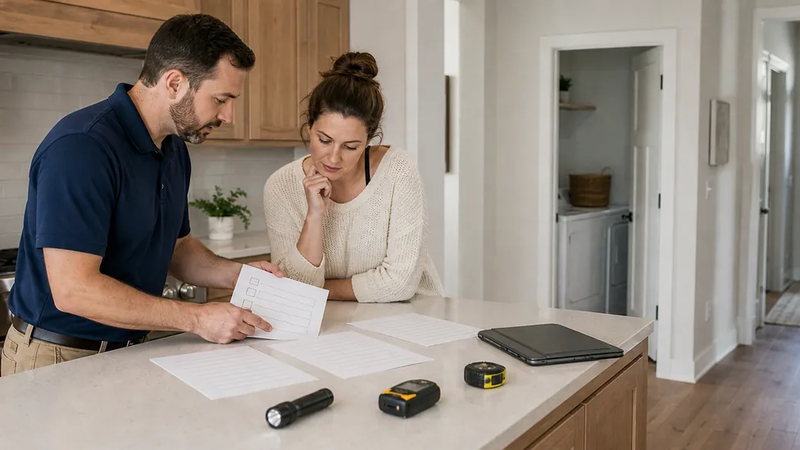
Before leaving, ask for a short review of the most important observations, any areas that were not inspected, and any recommendations for further evaluation. Clarify unfamiliar terms, but do not expect a complete report to be composed on site.
Read the written report promptly and compare it with your notes. Look for documented limitations, inaccessible areas, photos, and recommendations—not just a summary list. If a significant condition remains uncertain because it was concealed, inaccessible, or outside the inspection scope, the appropriate next step may be evaluation by a qualified system specialist.