On this page
The practical decision rule
Usually, yes—arrange a targeted reinspection when seller repairs involve safety, structure, moisture, or a major home system. The answer may change for simple cosmetic work when the result is readily visible, the paperwork is complete, and no contract or lender condition remains unresolved.
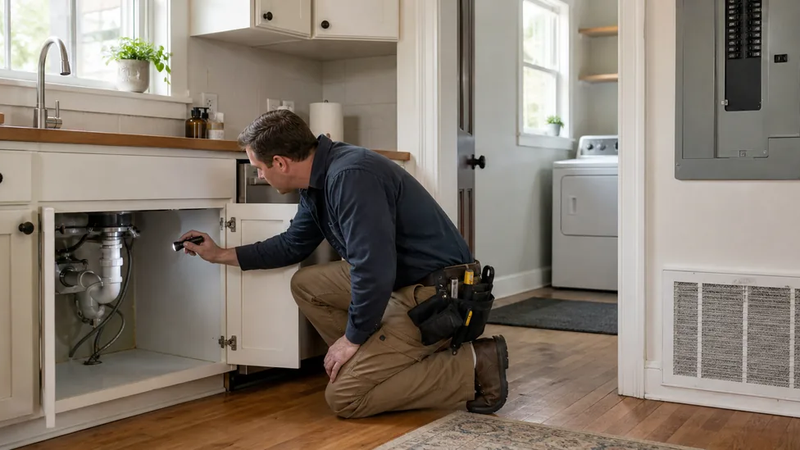
A reinspection, sometimes called a follow-up inspection, is a return visit after repairs. Its scope should be agreed in advance. It may cover only items named in the original report, not repeat the entire home inspection or examine new concerns.
When another inspection adds the most value
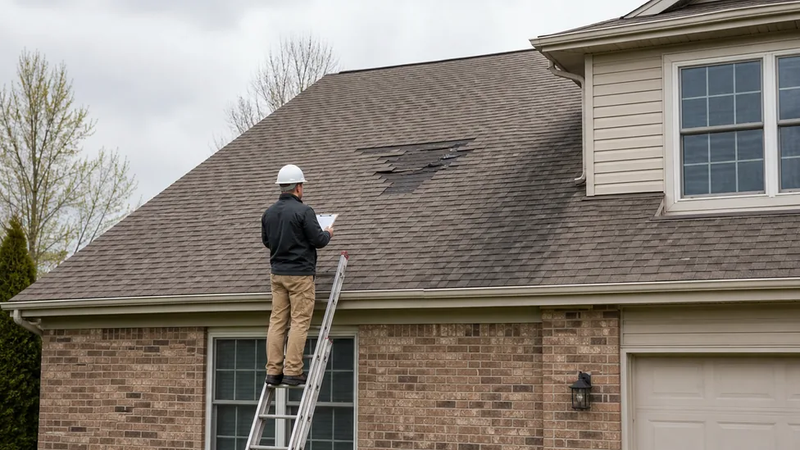
The consequence of a failed or incomplete repair should drive the decision. Reinspection is more valuable when work involved electrical hazards, active leaks, structural movement, combustion equipment, plumbing failures, or conditions that could damage concealed areas.
| Repair situation | Stronger verification step |
|---|---|
| Safety, structural, moisture, or major-system work | Targeted reinspection by the original inspector or an appropriate specialist |
| Work concealed behind finishes | Permits, progress photos, invoices, and specialist review; a visual visit cannot confirm hidden details |
| Repair required by an appraisal or loan | The lender's specified documentation or completion review |
| Minor, readily visible cosmetic work | Receipts and the buyer's final walk-through may be proportionate if the contract permits |
Using the original inspector can help because that person has the earlier report and observations. A licensed engineer, electrician, plumber, HVAC technician, or other qualified specialist may be more appropriate when the original report requested specialist evaluation or the repair requires trade-specific testing.
What a reinspection can—and cannot—confirm
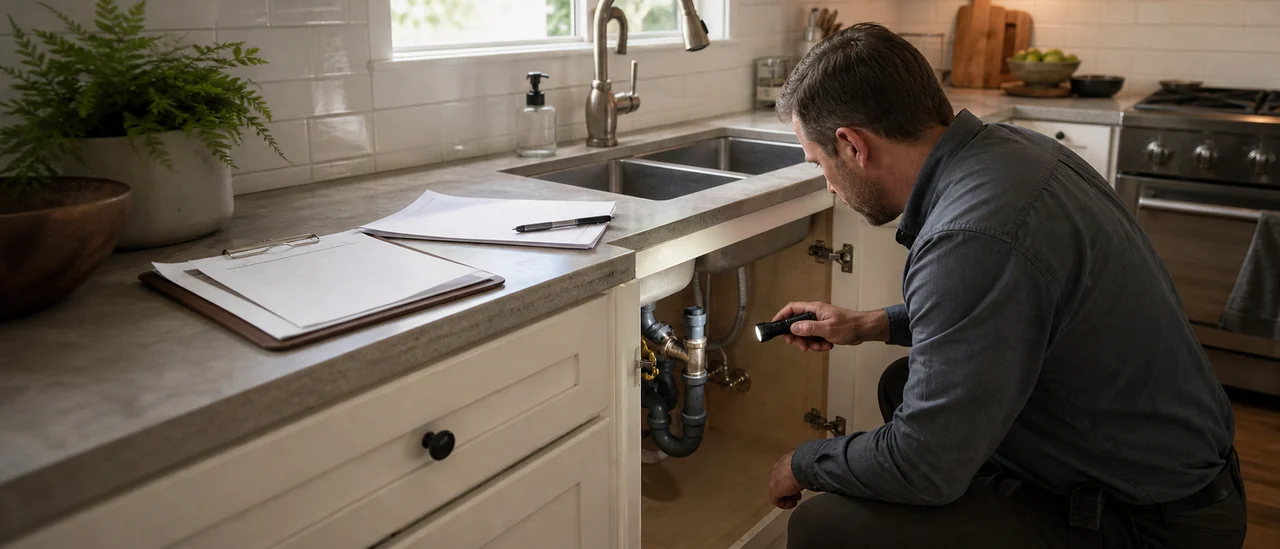
A standard home inspection examines readily accessible, visually observable systems and components. At a follow-up visit, an inspector can compare the named condition with what is now visible, operate normal controls where appropriate, and document whether a concern remains.
That is not the same as certifying the contractor's work. InterNACHI's standard describes an inspection as non-invasive and visual; it does not require inspectors to determine code compliance or future conditions, and it excludes guarantees and warranties. Finished surfaces can also prevent observation of fasteners, connections, waterproofing, or other concealed work.
Define the return visit in writing
Ask which repair items will be revisited, whether systems will be operated, what areas must be accessible, and whether the result will be a written report. “Reinspection” does not by itself promise a full inspection or code-compliance review.
Review records before the deadline
Collect the signed repair agreement or amendment, original inspection pages, itemized invoices, contractor information, permits and final approvals when applicable, warranties, and before-and-after photographs. Give the inspector the exact repair language so the written follow-up addresses the transaction's actual questions.
Timing matters. CFPB guidance notes that repair negotiations depend on the purchase contract and that some loan programs may impose property conditions. The agency also advises buyers to check agreed repairs during the final walk-through and contact the seller when work is incomplete.
A final walk-through and a reinspection serve different purposes. The walk-through checks the property's general pre-closing condition and agreed items; a targeted inspection brings technical observation to specified repairs. Neither automatically extends a contingency, creates a remedy, or satisfies a lender.
Before the applicable contingency or closing deadline, have the original inspector or relevant specialist review the named repairs and issue written findings. Then have your real-estate agent or attorney compare those findings and repair records with the contract, and confirm any separate completion requirement directly with the lender.