On this page
Inspect before you become committed
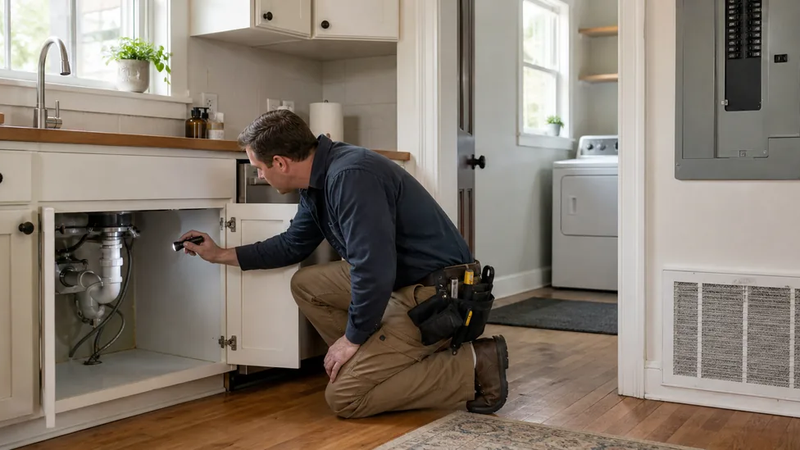
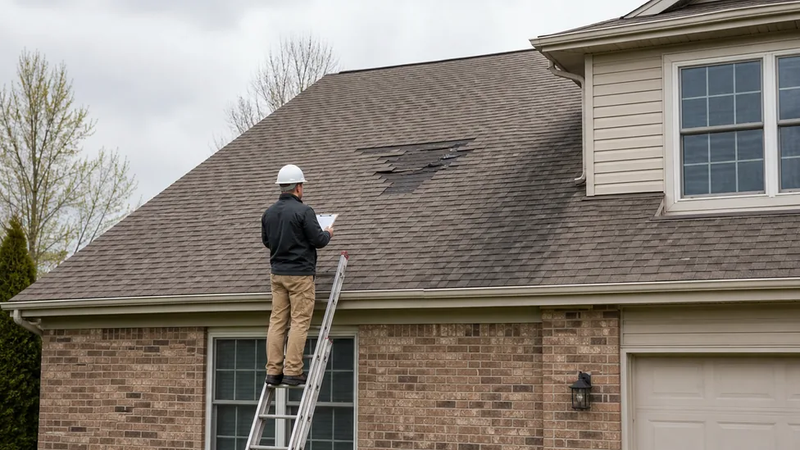
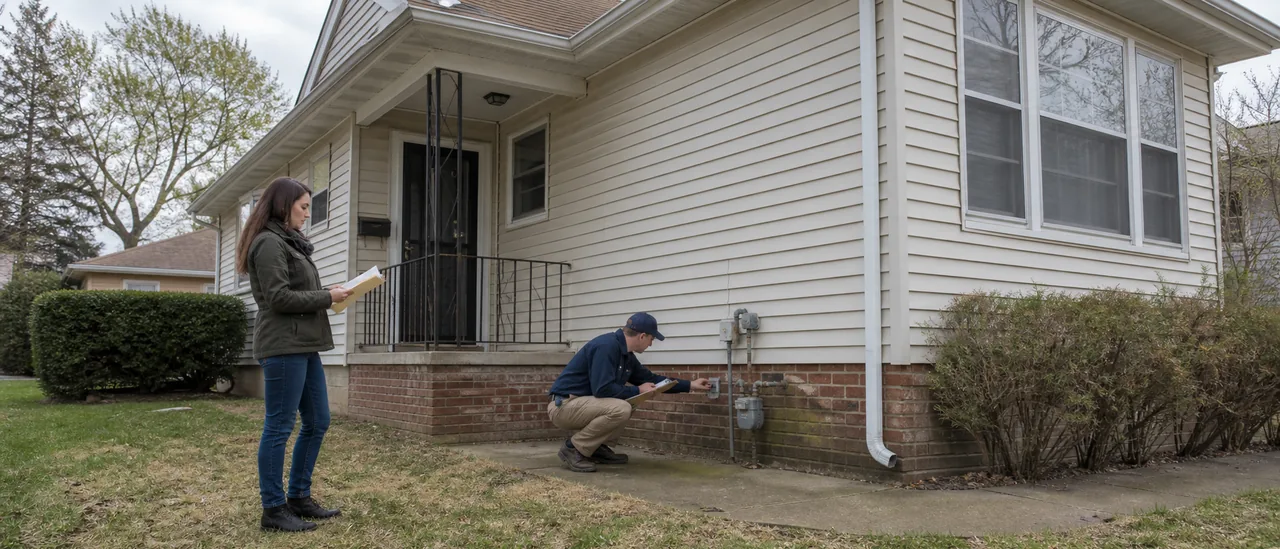
Yes. Arrange an independent home inspection before buying a foreclosure whenever the seller and sale process permit access. The main condition that changes this recommendation is a foreclosure auction or contract that provides no inspection opportunity or no practical way to withdraw. In that situation, the decision is not whether to skip an ordinary precaution; it is whether you can accept an unusually uncertain purchase.
“Foreclosure” describes the legal process through which a lender seeks repayment from the sale of mortgaged property after missed payments. It does not describe one uniform sales format or a property’s physical condition. Procedures differ by state, and a buyer might encounter an auction, a lender-owned property after foreclosure, or a government-owned property.
The Consumer Financial Protection Bureau advises buyers to obtain an independent inspection promptly. An inspection serves a different purpose from the lender’s appraisal: the inspection informs the buyer about physical condition, while the appraisal supports a value and lending decision.
What makes the inspection especially useful
A foreclosure may be offered “as is,” meaning the seller may decline repairs or warranties. That does not make an inspection pointless. It makes the report useful for deciding whether the condition, repair exposure, and financing still fit the purchase.
HUD, for example, says its homes are sold as is, without a condition warranty, and strongly urges prospective buyers to obtain a professional inspection. That policy applies specifically to HUD homes, but it illustrates why buyers must read the actual sale terms instead of treating every foreclosure alike.
Use the inspection period to answer transaction-specific questions:
- Which major systems or components show significant defects or unsafe conditions?
- Which areas, utilities, or systems could not be inspected?
- Does the inspector recommend evaluation by an electrician, structural engineer, plumber, HVAC technician, or another specialist?
- Do observed conditions affect the lender’s property requirements or the buyer’s repair budget?
- What rights, deadlines, and notice procedures does the signed contract provide after the report?
An appraisal is not a substitute
A lender may require an appraisal, but that does not replace a buyer-directed home inspection. Confirm both the lender’s property requirements and the inspection rights in the purchase documents.
When the answer becomes more complicated
Access may be limited because utilities are off, the property is occupied, the auction rules prohibit entry, or unsafe areas cannot be reached. Ask the inspector to document every limitation. A return visit or targeted specialist inspection may be appropriate if utilities can later be activated or access can be provided.
A standard inspection also has boundaries. ASHI’s standard describes a visual examination of readily accessible systems and components. It is not technically exhaustive and does not require an inspector to identify concealed defects, determine code compliance, calculate repair costs, or operate shut-down systems. Read the inspection agreement so you understand the exact scope under applicable state rules.
Contract protection matters just as much as access. CFPB guidance notes that a satisfactory-inspection contingency can allow a buyer to cancel without penalty, but the actual right depends on the contract. An “as-is” clause does not automatically answer whether inspection, cancellation, or negotiation is allowed. Auction deposits, deadlines, and remedies can differ substantially.
Financing can change the decision too. A lender or loan program may require repairs or property standards before closing. Before bidding, identify whether the property’s condition and sale timetable can satisfy those requirements. A cash purchase avoids lender conditions, not the physical or legal risk.
The review to complete before buying
Do not commit based only on a listing, appraisal, or seller disclosure. Obtain a licensed or otherwise qualified home inspector where access permits, review the complete report and its limitations, and obtain any recommended system-specialist evaluations. Before an auction bid or noncontingent offer, have the purchase contract, title materials, sale rules, deadlines, and available remedies reviewed by a local real-estate attorney or other qualified transaction professional, and confirm property requirements with the lender.