On this page
Protect the decision, not just the offer date
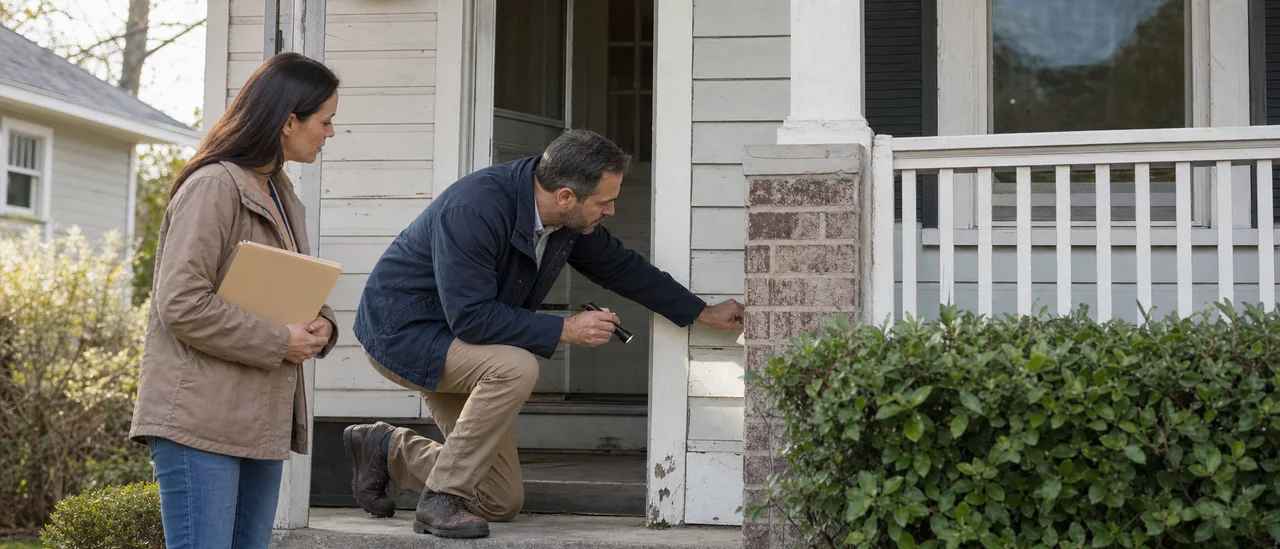
Usually, yes: inspect an as-is property before making an offer if the seller permits access and the offer would otherwise commit you without an inspection exit. If a pre-offer inspection is impractical, the safer alternative is an offer with a clearly written, workable inspection contingency.
The main condition that changes this recommendation is your ability and willingness to accept unknown repair risk. Waiving both a pre-offer inspection and a post-acceptance inspection contingency can leave you committed before you understand the property's accessible condition.
“As is” generally describes accepting the property's present condition, often without ordinary seller warranties. It does not automatically mean that an inspection is prohibited. The Texas Real Estate Commission's current resale form, for example, expressly distinguishes accepting a property as is from the buyer's inspection rights under that contract. Contract language and rights vary, so the actual offer controls.
Decide when the inspection should happen
| Situation | Practical approach | Main tradeoff |
|---|---|---|
| Seller allows access before offers | Inspect first, then price known conditions into the offer | You may pay for an inspection without winning the property |
| Inspection can occur after acceptance | Use a contingency with enough time for the general inspection and follow-up evaluations | The seller may prefer a less conditional offer |
| Access is limited or utilities are off | Treat uninspected systems and areas as unresolved risk | Important conditions may remain untestable |
| No inspection protection is accepted | Proceed only if the purchase still works under a conservative repair scenario | The buyer absorbs substantially more uncertainty |
The Consumer Financial Protection Bureau recommends making the purchase offer and sales contract contingent on a satisfactory inspection. The protection depends on the exact wording, deadlines, notice requirements, and remedies in the contract—not merely on scheduling an inspector.
Use the findings to judge the offer
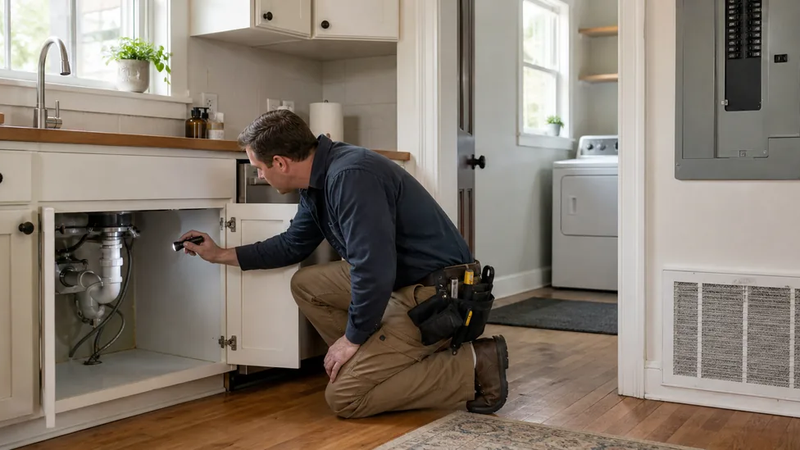
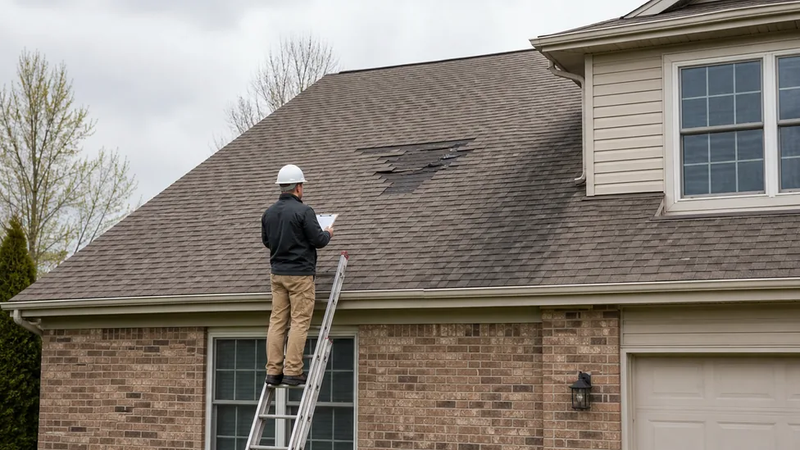
A pre-offer inspection can help separate visible maintenance from conditions that may change your price, financing plan, renovation schedule, or decision to proceed. Focus on systems with high consequences or limited remaining function, unsafe conditions, active moisture, structural movement, and inaccessible areas that deserve further investigation.
Bring any available seller disclosures, repair invoices, permits, warranties, and prior inspection reports. These records can identify questions, but they do not replace a current inspection. If the general inspector recommends a structural, electrical, sewer, HVAC, environmental, or other specialist evaluation, confirm whether the offer deadline leaves time to complete it.
An inspection narrows uncertainty; it does not erase it
ASHI's standard covers readily accessible, visually observable systems and components. Concealed conditions, future failures, repair costs, and some specialized hazards fall outside a standard inspection unless separately included.
Know when the answer may be no
A buyer might reasonably skip a pre-offer inspection when a protected post-acceptance inspection is available, making the earlier expense unnecessary. A buyer who plans a full teardown may also place less value on many interior systems, although land, structure, environmental conditions, utilities, and financing can still matter.
Do not assume a low price makes unseen defects affordable. Before proceeding without inspection protection, set a realistic repair reserve, confirm lender and insurer requirements, and decide which unknowns could make the property unacceptable. Those are financial and contract judgments, not conclusions an inspector can make for you.
The practical rule is simple: obtain useful inspection information before becoming unconditionally committed. Have a qualified home inspector define the general scope, use specialists where the findings or property type require them, and have a locally qualified real-estate professional or attorney explain the offer's inspection rights and deadlines.