On this page
The safer decision
Usually, no—do not waive both the home inspection and the protection tied to its results merely to make an offer more competitive. The answer can change if you complete a satisfactory pre-offer inspection, understand the property’s remaining uncertainties, and can absorb an expensive problem without derailing the purchase.
“Waiving the inspection” can mean different things. A buyer might skip the inspection entirely, allow an inspection but waive the right to renegotiate, or keep a contingency that permits cancellation under stated terms. Those choices create different risks, and their legal effect depends on the contract and local law.
The Consumer Financial Protection Bureau recommends making the offer and sales contract contingent on a satisfactory inspection. That protection can keep a buyer from being contractually required to purchase when the inspection finds serious flaws.
A faster offer does not require buying blind
Ask whether the schedule allows a pre-offer inspection, a shorter inspection period, or an inspection contingency with clearly limited remedies. Have a local real-estate attorney or qualified agent explain the exact contract language before changing your rights.
What makes waiving especially risky
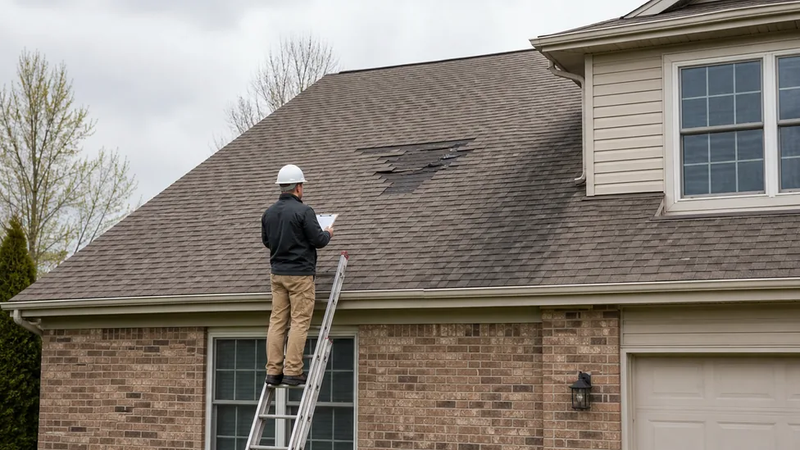
The case against waiving becomes stronger when the house is older, has additions or major renovations, shows deferred maintenance, or has incomplete permits and service records. The same is true when the property includes features outside a standard inspection’s scope, such as a private well, septic system, chimney interior, pool, or underground piping.
Your own finances matter just as much as the building. Do not treat a waiver as a harmless bidding tactic if closing will exhaust your cash reserves. A visible concern can lead to specialist evaluation; a concealed issue can appear after closing with no seller concession available.
Before considering any waiver, answer these questions:
- Can you obtain a qualified inspection before the offer deadline?
- Which cancellation, negotiation, or notice rights would the contract remove?
- Do disclosures, permits, maintenance records, and prior reports leave important gaps?
- Can you comfortably pay for an urgent structural, electrical, plumbing, or HVAC problem?
- Does the home require separate inspections that the general inspection will not cover?
If any answer is unclear, keep the contingency or reconsider the price and offer strategy.
What an inspection can—and cannot—confirm
A standard home inspection provides useful information, not a warranty. ASHI’s current standard covers readily accessible, visually observable, installed systems and components. It also says the inspection is not technically exhaustive and need not identify concealed conditions or latent defects.
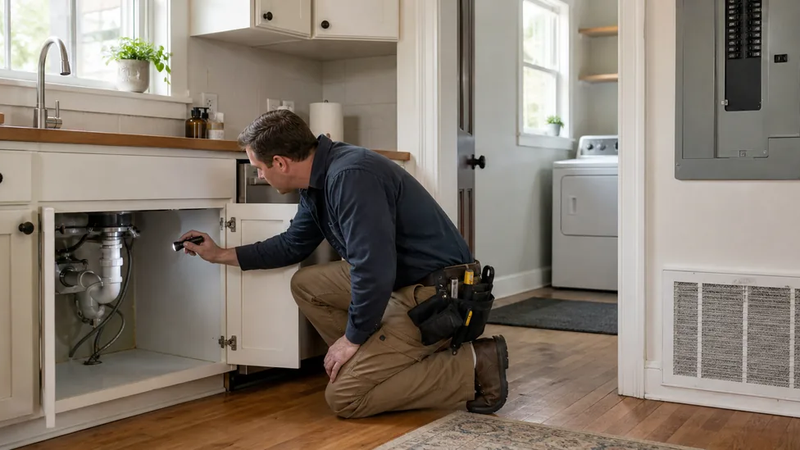
An inspector can document visible conditions, operate normal controls, open readily openable access panels, and recommend further evaluation. The inspector generally cannot see behind finished walls, predict future failures, determine every cause, or confirm the condition of inaccessible components. State requirements and the signed inspection agreement may change the precise scope.
A practical way to compete
Start by separating inspection access from negotiation rights. A pre-offer inspection may reduce uncertainty before you commit. If timing prevents that, consider whether a short inspection period or narrowly defined contingency would satisfy the seller while preserving an exit for unacceptable findings.
Read the offer, inspection agreement, disclosures, permits, and available repair records together. Use a licensed home inspector where required, and bring in a qualified system specialist when the general inspection identifies a concern outside its scope. The goal is not a perfect house; it is an informed risk that fits both the contract and your finances.