On this page
The short answer
The quote usually changes with roof size and complexity, safe access, inspection method, location, and the requested deliverables. A visual condition check, an attic evaluation, infrared imaging, and a separate certification are different scopes, so their prices should not be compared as though they were the same service.
There is no single national fee that applies to every roof or every inspection purpose. The most useful comparison is between local written quotes for the same scope, not between an advertised starting price and a more complete assessment.
The factors that change the price
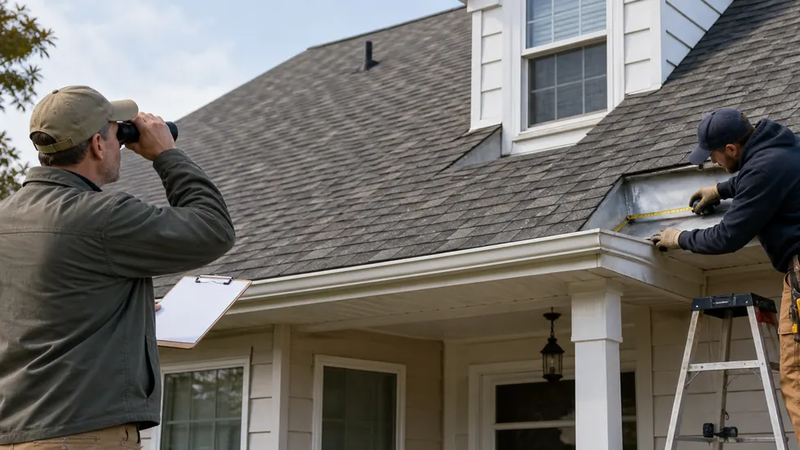
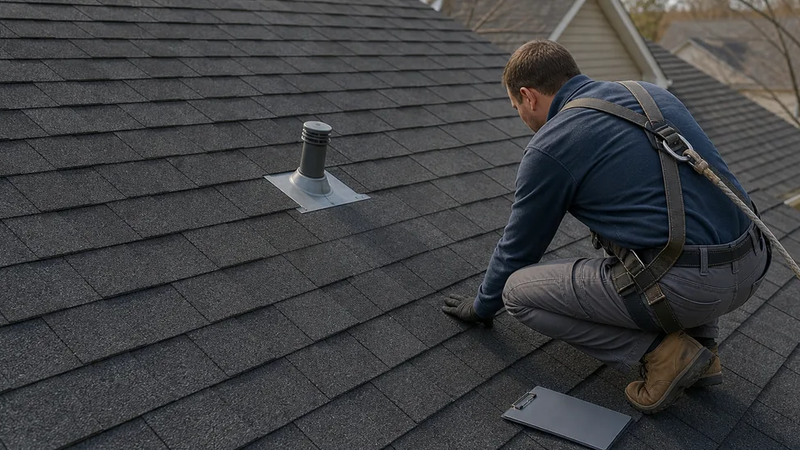
Inspection method is often a major variable. A physical observation, drone survey, and infrared assessment use different equipment and answer different questions. Specialized equipment does not automatically make an inspection better; it is useful when the inspection objective or access problem calls for it.
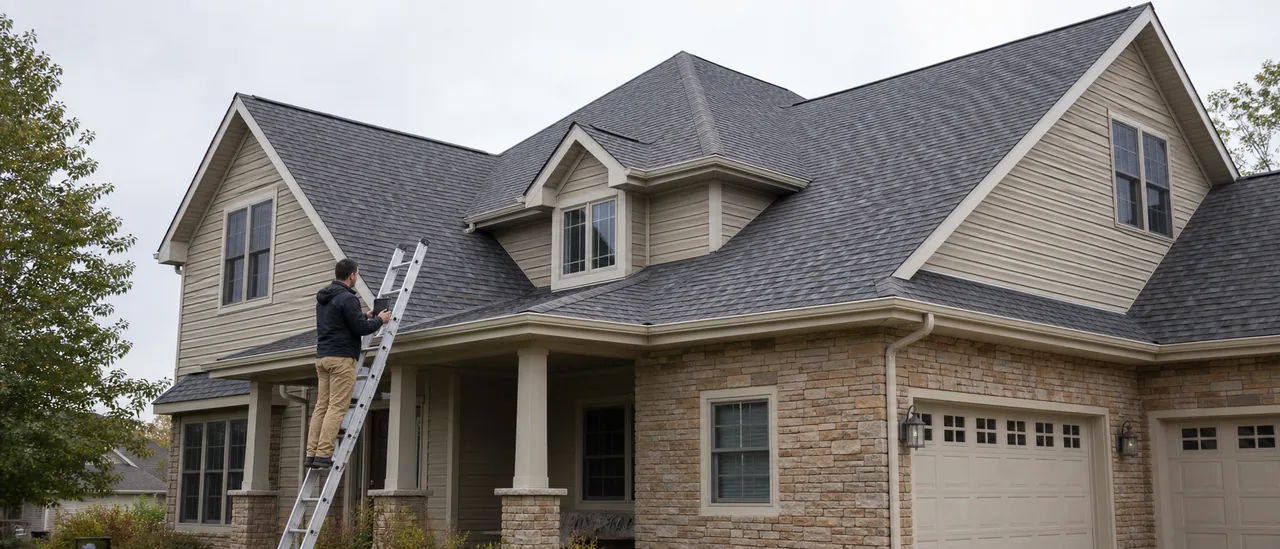
Roof size and layout affect how long the work takes. Multiple levels, dormers, valleys, penetrations, and separate roof sections require more observation and documentation than a simple gable roof.
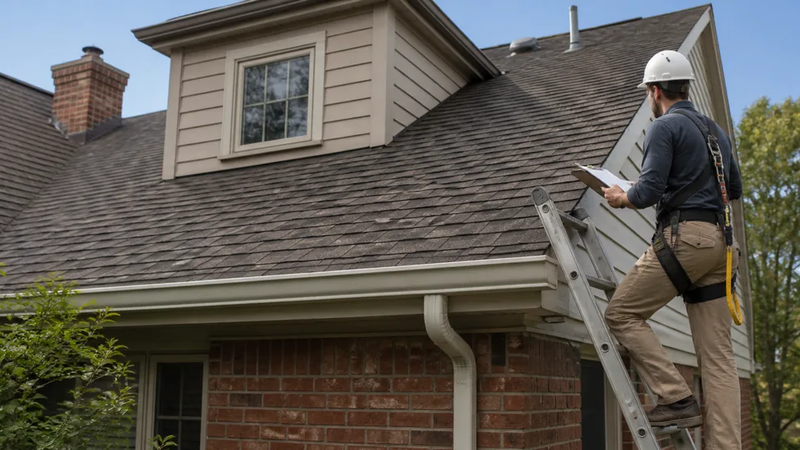
Pitch, height, and safe access matter too. An inspector may need to work from the ground, a ladder at the eave, windows, or an attic rather than walking the surface. ASHI's home-inspection standard is limited to readily accessible, visually observable components and defines access in a way that excludes actions likely to risk people or property. A separate roof inspection may follow a different written scope.
Location and local labor rates also affect the fee. The same inspection scope may be priced differently across regions because wages, travel, licensing, insurance, roof types, and market demand vary. A national range is therefore less useful than comparable local quotes with the same scope.
Material and condition can change the required expertise. Slate, tile, metal, and low-slope systems do not behave like ordinary asphalt shingles. A visibly unstable or deteriorated roof may also limit direct access.
Scope and documentation should be clear before the visit. A condition assessment, storm-damage opinion, leak investigation, and whole-home inspection are different services. Ask whether attic observations, photographs, specialty testing, a written report, a separate certification, and follow-up questions are included.
Compare the scope, not just the fee
A no-charge or low-price visit connected to a repair estimate may serve a different purpose from an independent inspection with photographs and a written report. Conversely, paying for infrared imaging does not guarantee that every hidden condition will be found.
The useful comparison is the same defined scope from each inspector: which surfaces and interior areas are observed, how inaccessible areas are handled, what report is delivered, and whether the inspector has experience with that roof type. Angi's commercial consumer guide likewise identifies roof size, style, accessibility, and damage extent as price factors; treat that list as marketplace guidance, not a guaranteed national rate.