On this page
What infrared imaging can—and cannot—show
Infrared roof inspections reveal patterns in apparent surface temperature. Those patterns can help locate areas where insulation may be wet, but the camera does not see through the roof or directly measure moisture. A thermal anomaly is evidence to investigate, not proof of a leak or damage.
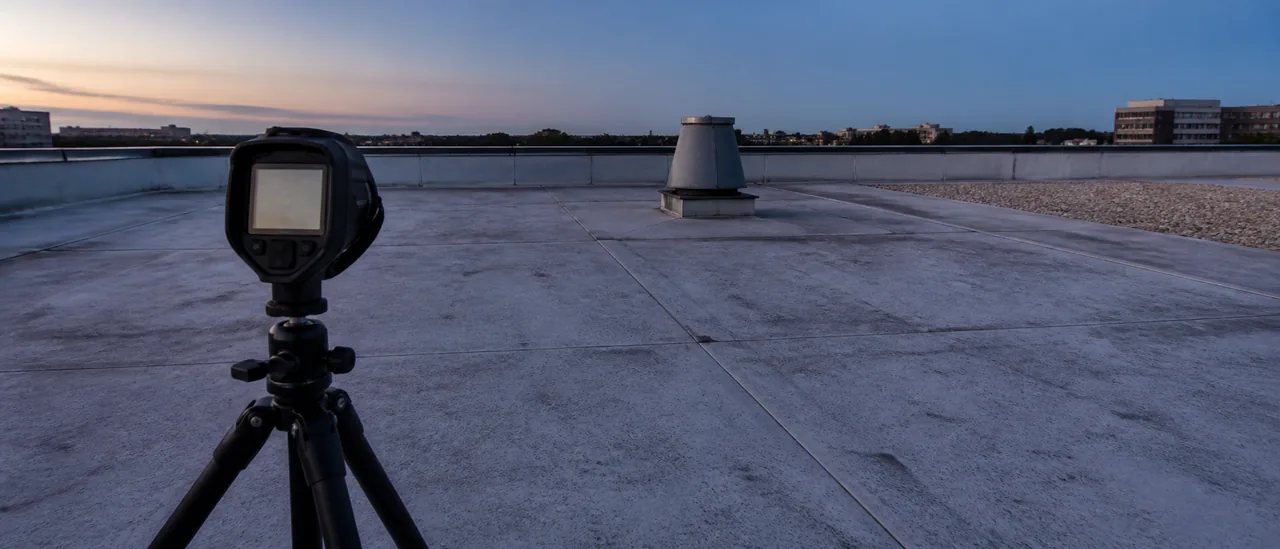
The scope is narrower than the phrase “infrared roof inspection” may suggest. ASTM C1153 covers nighttime imaging used to locate potentially wet insulation beneath a roofing membrane. It does not determine why moisture is present or where it entered, so the method is not a complete assessment of waterproofing performance.
A warm area is not a diagnosis
Reflections, construction changes, rooftop equipment, and uneven materials can resemble moisture. Conversely, a dry or weakly heated area may hide a breach that has not recently admitted enough water to produce a detectable pattern.
Conditions that limit accuracy
Reliable interpretation depends on several variables:
- Weather and timing: Cloud cover, wind, precipitation, temperature change, and the roof’s daytime heat exposure can weaken or distort thermal contrast. The usable inspection window may be short.
- Roof construction: Aggregate ballast can store heat and obscure the roof assembly below. Reflective surfaces, ponded water, changes in insulation, and concealed construction can also mask or imitate an anomaly.
- Camera position and resolution: Reflections and thermal shadowing become harder to separate from real patterns at poor viewing angles. Small defects may also fall below the image’s useful spatial resolution.
- Moisture conditions: Infrared testing needs enough retained moisture and temperature difference to produce a visible pattern. A new, intermittent, or dried leak may not appear.
These limits make a negative scan different from a clean bill of health. It means the inspection did not identify a qualifying thermal pattern under those conditions—not that every seam, flashing detail, or concealed layer is watertight.
What confirms the finding
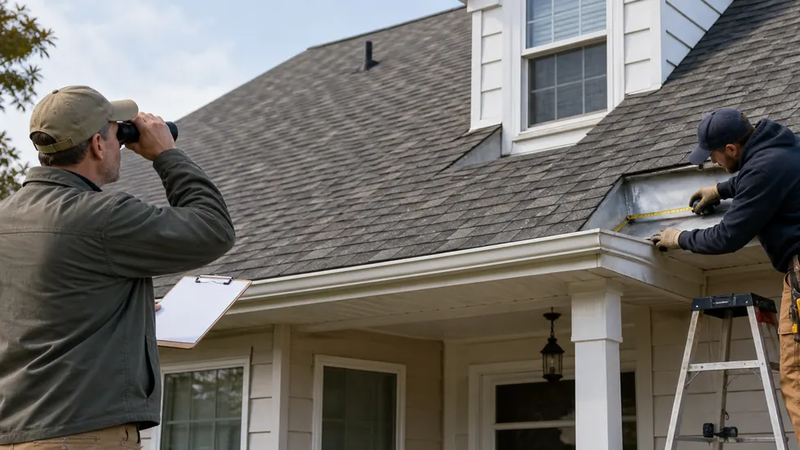
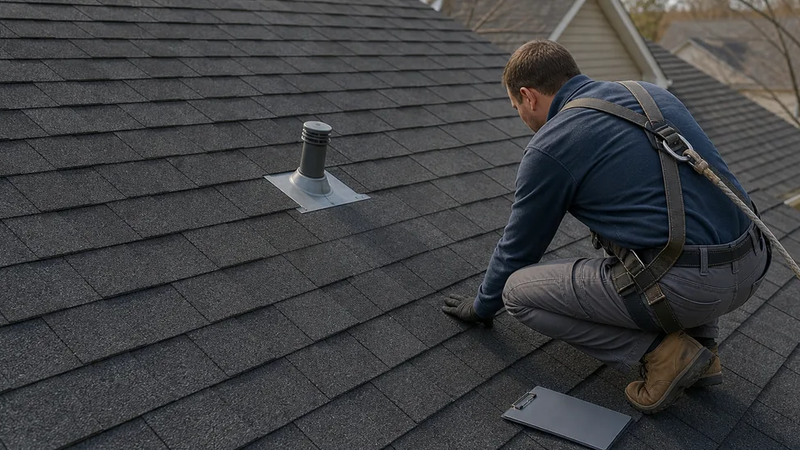
Visible-light inspection can document exposed conditions such as open seams, surface deterioration, ponding, or damaged flashing. It cannot by itself confirm the moisture content of concealed insulation. Infrared imaging provides a location for closer evaluation, while visual findings provide context for what might be causing the pattern.
Federal roofing research states that selected roof cores are needed to confirm nondestructive observations. Depending on the assembly and purpose, a qualified evaluator may use test cuts, core samples, or another suitable moisture-survey method at selected locations.
Practical bottom line
Infrared imaging is a screening and mapping tool, not a stand-alone verdict. Its usefulness depends on a compatible roof assembly, suitable environmental conditions, capable equipment, experienced interpretation, and targeted confirmation. Decisions about repair scope or leak source should rest on the combined evidence, not the thermal image alone.