On this page
The direct answer
Waiving a home inspection can leave a buyer responsible for serious defects, unexpected repair costs, and safety concerns discovered after closing. It can also reduce the buyer’s ability to request repairs, renegotiate, or cancel because of the property’s condition.
The exact risk depends on what “waiving” means. A buyer might skip the inspection entirely, or still obtain one while waiving the inspection contingency. In the second situation, the buyer gains information but may have fewer contractual options for acting on it.
An appraisal is not a substitute
A lender’s appraisal addresses value and loan requirements. The Consumer Financial Protection Bureau distinguishes it from a home inspection and says buyers generally need both.
What the buyer may not learn before closing
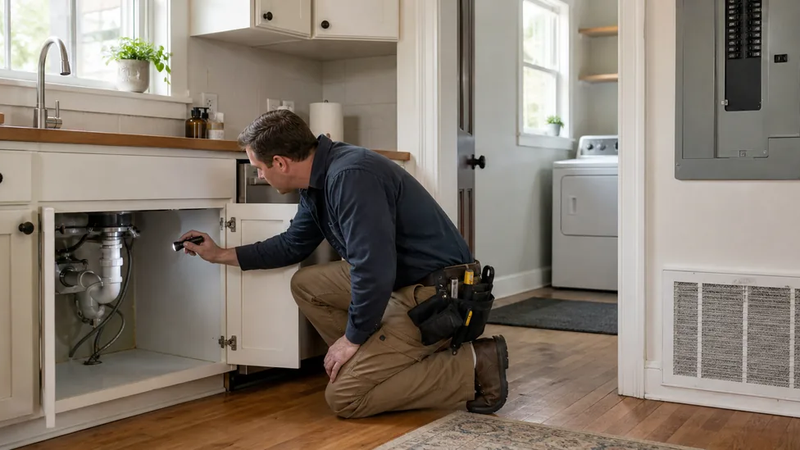
A general home inspection provides an independent snapshot of visible, readily accessible systems and components. Under InterNACHI’s Standards of Practice, it is a non-invasive visual examination intended to identify observed defects the inspector considers material.
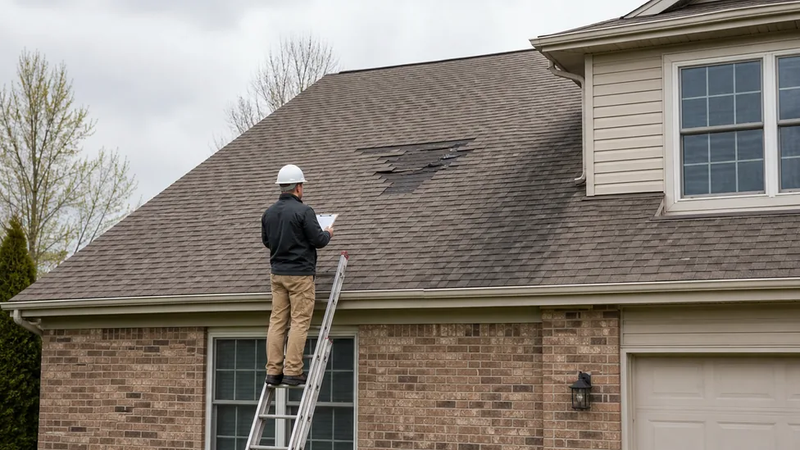
Skipping that examination removes an opportunity to document conditions such as indications of moisture intrusion, possible structural movement, unsafe electrical components, or systems that do not operate normally. It may also eliminate the prompt for a more focused evaluation by an electrician, engineer, plumber, HVAC technician, chimney professional, or other qualified specialist.
That does not mean an inspection would find everything. InterNACHI’s standard says an inspection is not technically exhaustive and will not identify concealed or latent defects. Inspectors are not required to move obstructions, dismantle components, enter unsafe areas, or inspect systems that are not readily accessible. Waiving the inspection adds uncertainty; having one reduces uncertainty without eliminating it.
Contract rights may be narrower
An inspection contingency can give a buyer defined choices after reviewing the results, subject to the purchase contract. CFPB guidance notes that a buyer may seek repairs or negotiate who pays, although the seller may not agree. It also says cancellation without penalty based on inspection results depends on a satisfactory-inspection contingency.
Without that protection, discovering a costly condition may not create a right to change the price or end the transaction. Contract language, deadlines, and state law vary, so buyers should confirm the effect of any waiver before signing it.
Practical bottom line
The greatest risk is accepting both the home and more of its unknowns before an independent inspection can inform the decision. If competitive conditions make a waiver tempting, clarify whether a pre-offer or informational inspection is allowed and what rights remain. Read the actual contract, leave time for any permitted specialist evaluation, and treat an inspection as useful evidence—not a guarantee.