On this page
A roof inspection finds visible conditions and warning signs
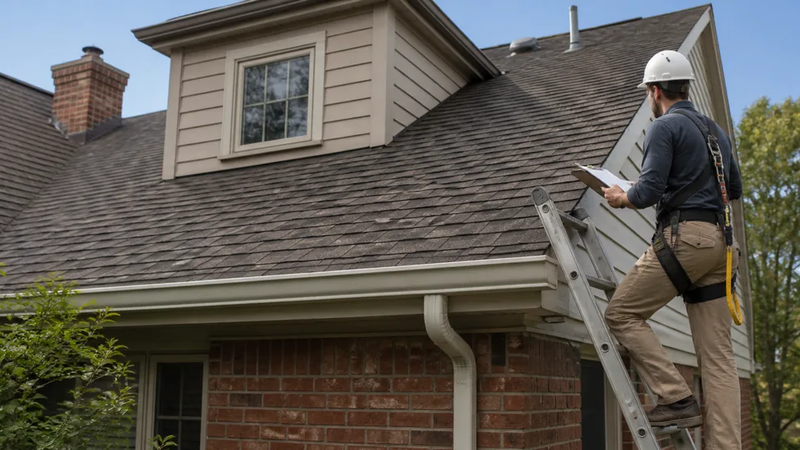
A roof inspection can find visible damage, deterioration, drainage problems, and signs of water entry in accessible areas. It may also identify installation details that deserve closer evaluation. The result is a record of conditions observed on the inspection date—not a guarantee that every part of the roof is sound.
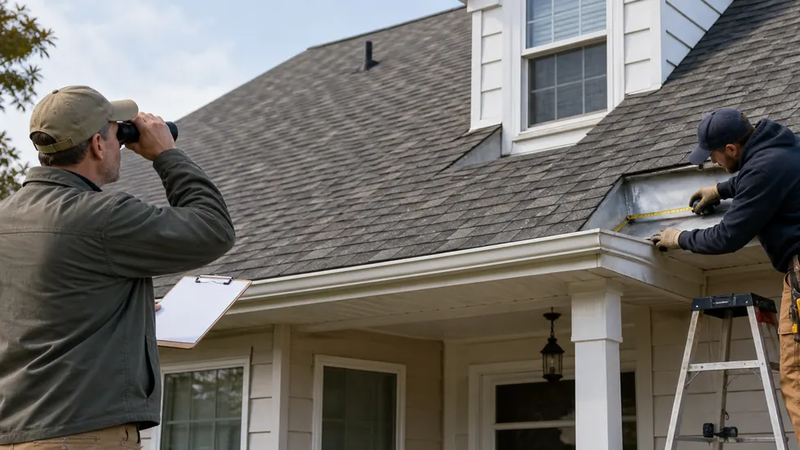
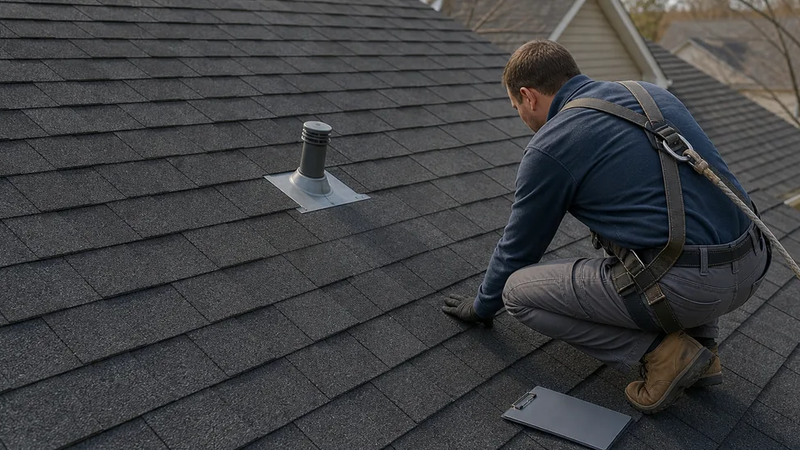
The exact scope depends on the inspection agreement, governing standard, roof type, weather, access, and safety. A widely used home-inspection standard includes roofing materials, drainage components, flashing, skylights, chimneys, and other penetrations. Accessible roof structure may also be viewed from attic panels, doors, or stairs.
What may appear in the report
The report should distinguish an observed condition from a suspected cause. An inspector can document what is visible without proving why it happened or what remains concealed.
| Area reviewed | Examples of reportable observations | Practical meaning |
|---|---|---|
| Roof covering | Visible damage, deterioration, displacement, or previous repairs | The weather-shedding surface may need maintenance or further evaluation |
| Flashing and penetrations | Visible damage or deficient details around vents, chimneys, and skylights | Water-entry risk may be concentrated at transitions and openings |
| Drainage | Debris, damage, poor attachment, or overflow evidence at gutters and downspouts | Water may not be leaving the roof edge as intended |
| Accessible interior | Stains, damp materials, daylight, or visible structural distortion | These are clues to moisture entry or movement, not automatic proof of the source |
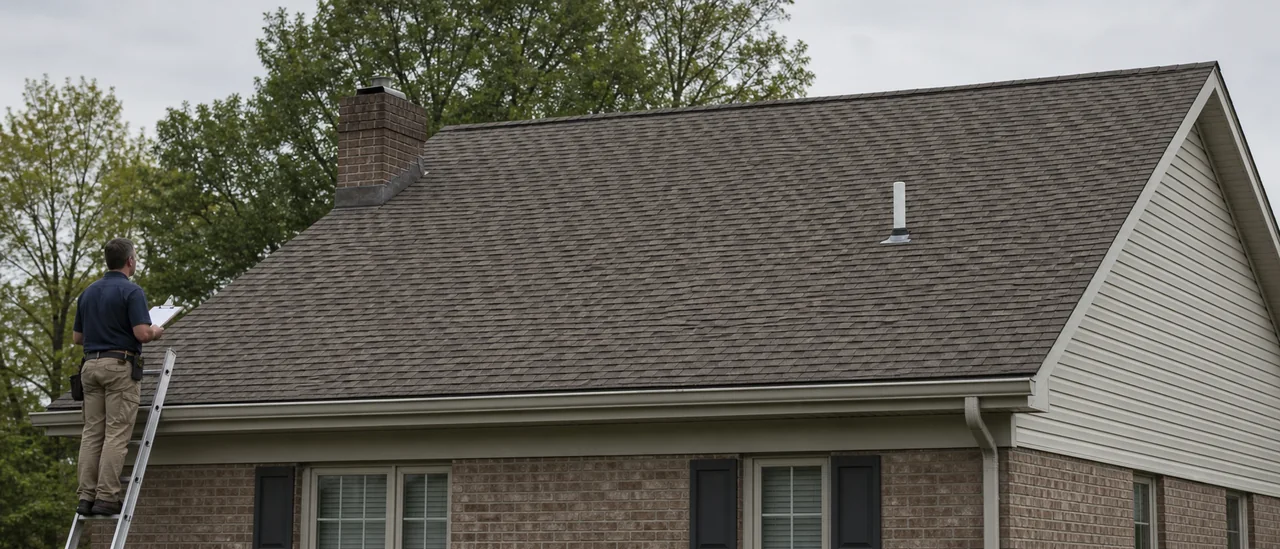
InterNACHI’s standard specifically requires reporting observed indications of active roof leaks. Requirements can vary by jurisdiction. Texas rules, for example, require a report to identify the roof-inspection vantage point, evidence of water penetration, previous repairs, and specified visible deficiencies. That context matters because views from the ground, eaves, ladder, or roof surface are not identical.
What a visual inspection cannot confirm
Standard visual inspections are not technically exhaustive. They generally do not expose underlayment, concealed decking, or hidden portions of flashing. Snow, ice, debris, steep slopes, fragile materials, and unsafe access can further restrict what the inspector sees.
A visible clue is not a complete diagnosis
A stain may show that water entered, but it may not reveal the entry point, timing, or current activity. Likewise, a roof that looks acceptable can still contain concealed defects.
Common standards do not require an inspector to walk every roof, perform a water test, predict remaining service life, certify the roof, or determine concealed and latent defects. They also do not automatically establish code compliance. A broader roof assessment may include different tools or procedures, but only if they are expressly within the agreed scope.
Practical bottom line
Read the inspection method, access limitations, photographs, and recommended follow-up together. Findings are strongest when they identify the component, location, visible condition, and significance without overstating the cause. When a material concern remains uncertain or inaccessible, evaluation by a qualified roofing or structural professional may be a reasonable next step.