On this page
A musty odor usually points to moisture
A musty attic smell most often means materials have stayed damp long enough to support mold or mildew-like microbial growth. The odor is a warning, not proof: the growth may be hidden, and dry cardboard, textiles, or old dust can also smell stale.
Look for a moisture source before deciding what the odor means. The U.S. Environmental Protection Agency notes that damp or musty odors suggest water is or was present and that mold growth is likely.
Where attic moisture comes from
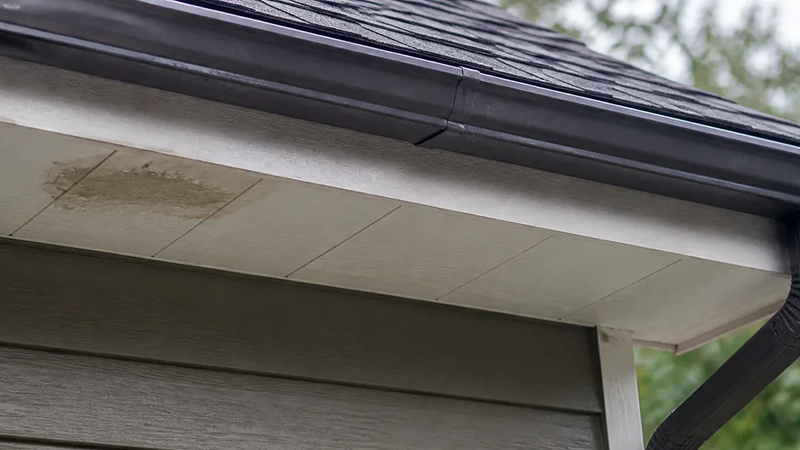
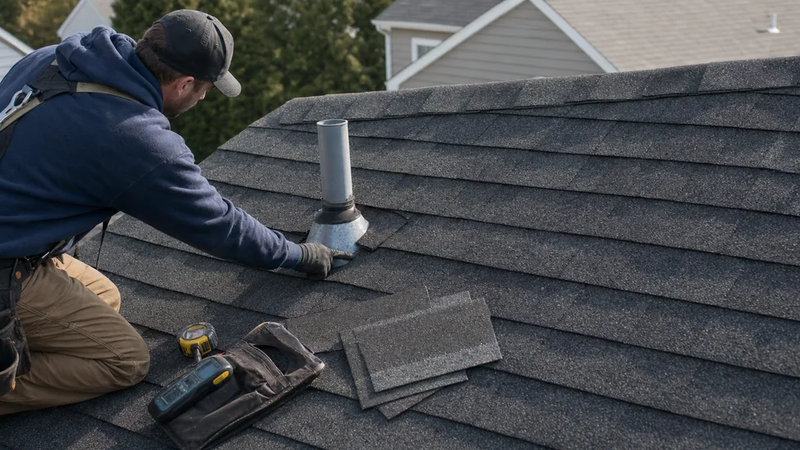
Rainwater may enter through damaged roof covering, failed flashing, or a penetration. Even a localized opening can wet roof decking or insulation without creating an obvious ceiling drip.
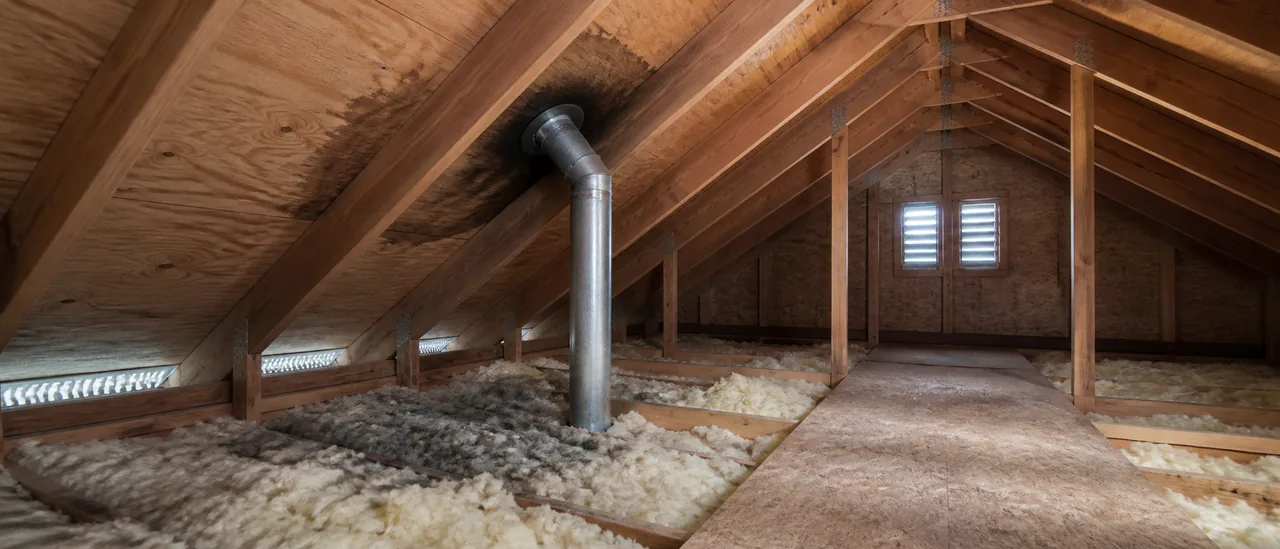
Moisture can also arrive from below. Warm, humid household air moves through gaps around wiring, plumbing, light fixtures, ducts, and attic hatches. When that air meets cold roof sheathing, it can condense. Bathroom fans, kitchen exhaust, or dryers that terminate in the attic add moisture directly.
Blocked soffit paths or otherwise inadequate ventilation can let that moisture accumulate. A leaking pipe, air-conditioner condensate problem, or wet stored material is another possible source.
Smell alone cannot identify the source
A roof leak often worsens after rain. Condensation may be strongest during cold weather or after showers. A localized odor around dry stored items may be less serious, but it still deserves rechecking after wet or humid conditions.
How to confirm the cause
From a safely accessible attic area, use a bright light and avoid walking on insulation or ceiling drywall. Check roof decking, rafters, insulation, pipes, exhaust ducts, and penetrations for:
- active droplets, frost, or damp insulation;
- staining, softened wood, rusted fasteners, or peeling surfaces;
- disconnected ducts or ducts ending inside the attic; and
- visible fuzzy, spotted, or discolored growth.
A moisture meter can help locate wet wood or wallboard, while humidity readings can reveal a recurring pattern. Neither reading, by itself, identifies how the moisture arrived. Mold sampling is usually unnecessary when growth is visible; the priority is finding and correcting the water source.
Do not pull apart insulation or disturb a large suspect area just to investigate. Hidden mold can be difficult to locate, and disturbing it may spread particles through the building.
How urgent is it?
Arrange prompt evaluation for active water entry, wet electrical equipment, sagging or softened wood, widespread growth, or an odor that returns after rain. A qualified roof or building professional can trace exterior leaks, ventilation paths, exhaust terminations, and concealed moisture when the source is unclear.
If everything is dry and the odor is confined to stored materials, remove the likely odor source and monitor the attic through changing weather. A returning smell means the moisture search is not finished.