On this page
Why roof valleys commonly leak
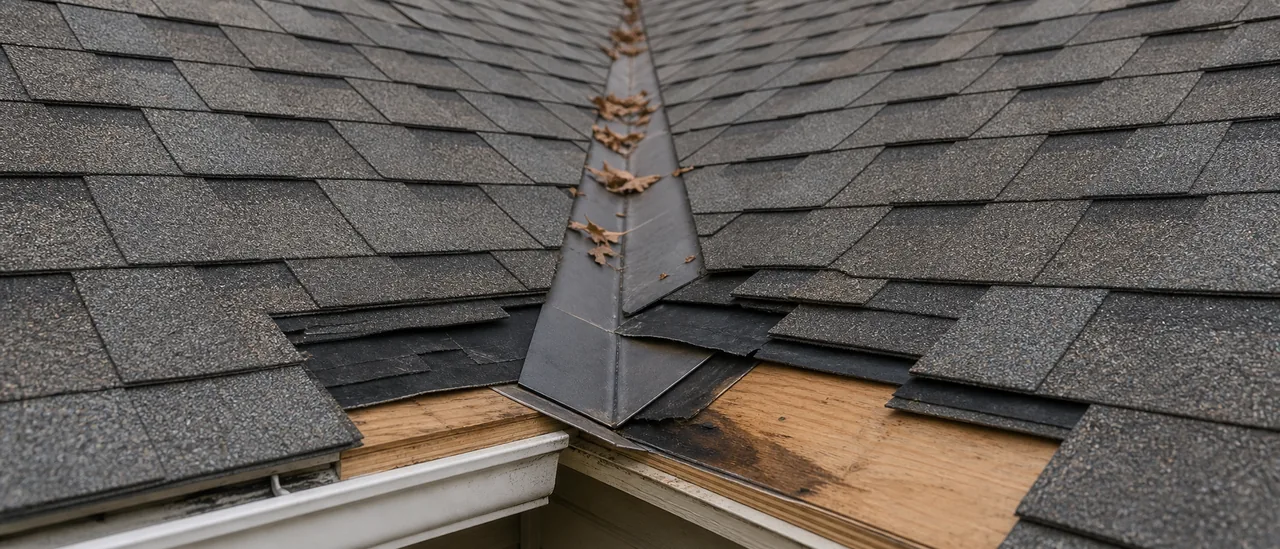
A leak near a roof valley usually means water is entering through damaged roofing or a failed valley lining. A valley is the inward angle where two roof slopes meet. It receives runoff from both slopes, so a small defect can handle more water than a similar defect elsewhere.
The most common possibilities are worn, cracked, displaced, or poorly cut shingles along the valley. In an open valley, exposed metal or another lining may be corroded, split, punctured, or incorrectly lapped. In a closed valley, the protective lining is concealed beneath the roof covering, so the visible shingles may look acceptable while the underlying detail has failed.
The ceiling stain may not mark the entry point
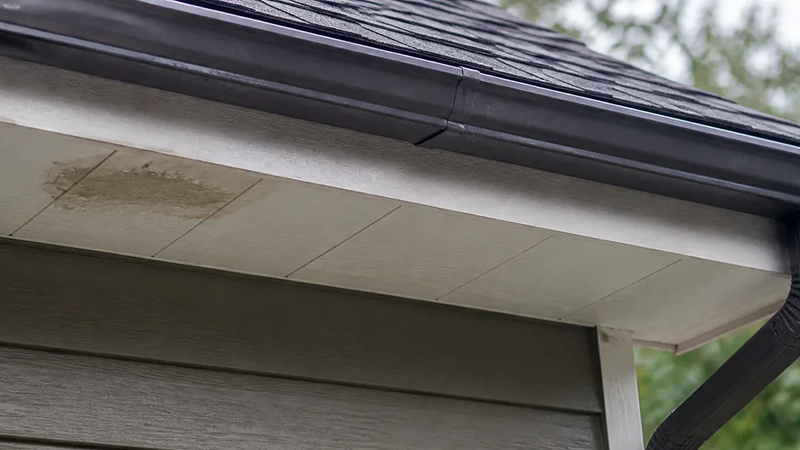
Water can follow roof decking, underlayment, rafters, or fasteners before dripping indoors. A stain beside the valley identifies the search area, not necessarily the exact opening.
Other plausible causes
Installation errors can create an early leak. Examples include fasteners placed too close to the water channel, short or poorly overlapped lining, an incorrect shingle cut, or roofing layers that direct water beneath one another. Repairs based mainly on surface sealant can also hide the path temporarily without correcting the drainage detail.
Leaves, needles, and sediment may slow runoff or push it sideways beneath the roof covering. Snow and ice can produce a similar backup where the climate permits. Damage at a nearby skylight, vent, chimney, wall intersection, or roof transition can also release water that travels toward the valley before appearing inside.
How the cause is confirmed
Start with the conditions surrounding the leak. Note whether it occurs during wind-driven rain, prolonged rain, snowmelt, or every storm. From the ground, look for debris, missing shingles, lifted edges, rust, open seams, or an unusual patch. Do not walk on a wet, icy, steep, or visibly damaged roof.
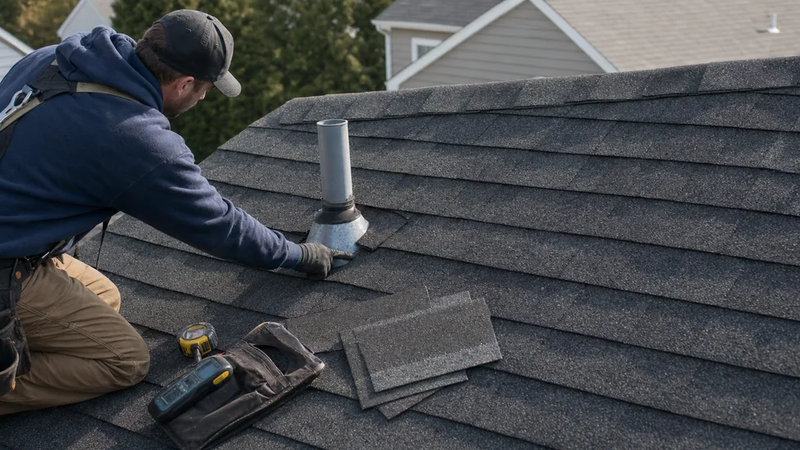
A qualified inspection normally compares the indoor stain with the attic and roof above it. The evaluator may trace moisture patterns on framing and decking, check the valley from eave to ridge, and examine nearby penetrations or wall flashings. Closed valleys may require lifting limited roofing or another controlled investigation because the lining is not visible from the surface.
Moisture readings can help define the damp area, but they do not identify the entry point by themselves. A carefully controlled water test may isolate sections after obvious defects are checked; indiscriminate spraying can send water where normal rain would not.
How urgent is it?
Address active dripping promptly and protect belongings below it. Sagging ceilings, wet electrical fixtures, or softened decking call for immediate caution and qualified evaluation. Avoid disturbing a bulging ceiling or entering an attic with unsafe access.
Even an intermittent stain deserves timely investigation. Repeated wetting can enlarge the damaged area while the visible symptom remains small. The practical next step is to have the valley and adjacent roof details evaluated, then repair the confirmed entry path rather than coating the entire area with sealant.