On this page
Why shingles become loose
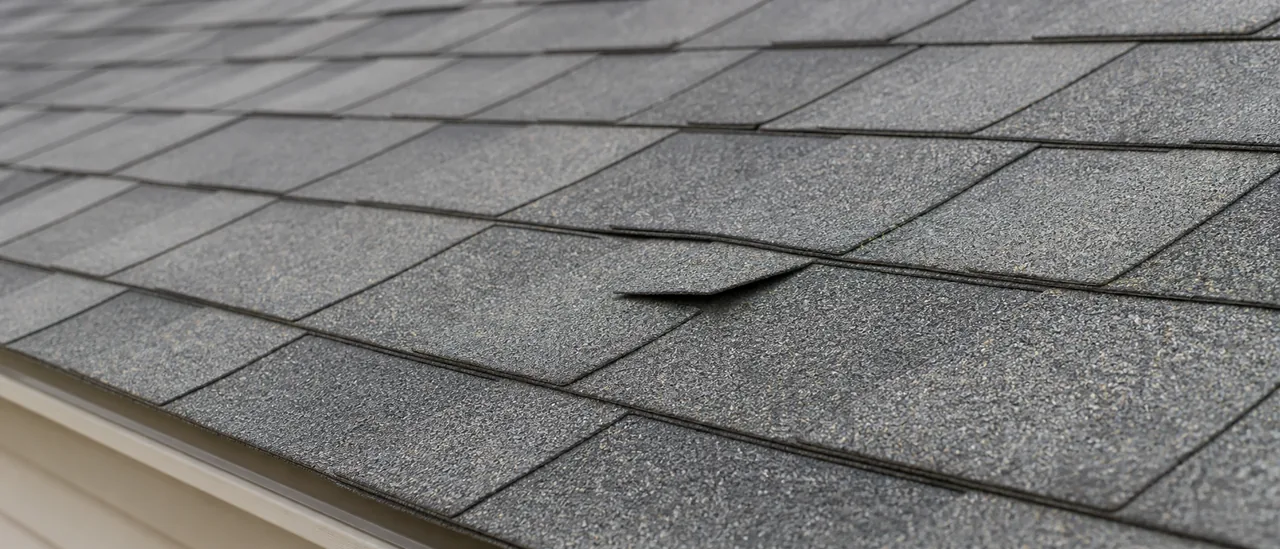
Loose asphalt shingles most often have lost their seal to the course beneath them, have weakened attachment around their nails, or both. Wind can then lift an exposed edge. A recently installed shingle may also feel loose because its heat-activated sealant has not yet bonded.
That does not mean every raised edge is wind damage. Curling from age, a shingle held up by a protruding nail, or buckling caused by movement below the roof covering can look similar from the ground.
“Loose” can describe two different failures
A tab may lift because its sealant bond is absent or broken while the nails still hold. A whole shingle may slide or shift when its fasteners no longer hold correctly. The repair decision depends on which attachment failed.
Common causes
- An incomplete seal: New shingles need warmth and correct alignment to seal. Cool conditions can delay bonding, leaving tabs more vulnerable to wind and rain until they seal.
- Wind uplift: Pressure across the roof can work under an unsealed edge. Once one tab fails, nearby shingles may face greater wind forces.
- Fastening errors: Shingles rely on roofing nails as well as sealant. A fastening pattern that does not match the product instructions can leave the attachment weaker than intended or hold a tab up.
- A weak or uneven base: Deteriorated decking may not grip nails well. A raised fastener or irregular deck surface can prevent a shingle from lying flat.
- Aging and prior disturbance: Sealant bonds can weaken with weathering. Previous lifting, foot traffic, repairs, or debris contact can break a bond or damage the shingle around a fastener.
How the cause is confirmed
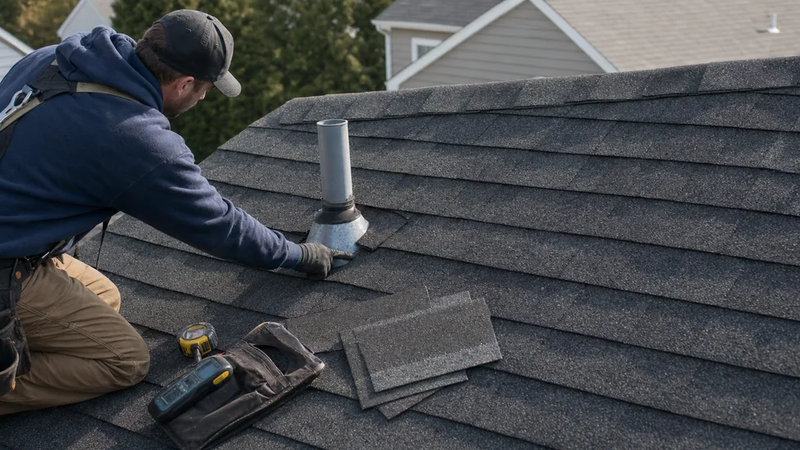
An inspector checks whether the loose area is one tab, one shingle, or a wider pattern. The shingle’s position, sealant contact, nail locations, tears around nail heads, creases, and nearby missing material help distinguish failed sealing from fastening failure or wind damage.
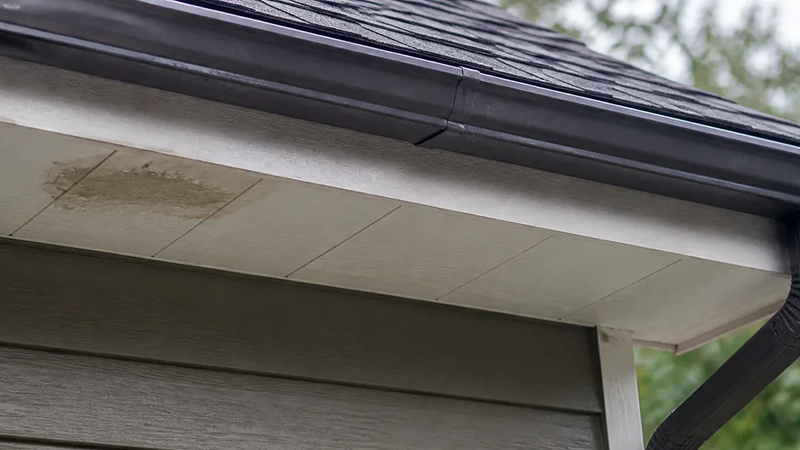
The surrounding roof matters too. Repeated lifting along edges may point to wind exposure, while scattered raised spots may align with protruding fasteners or deck irregularities. Interior moisture can show that water has entered, but a dry ceiling does not prove the roof covering is sound.
Avoid lifting shingles for a test or walking on the roof. Pulling on a bonded tab can break the bond you are trying to evaluate.
How urgent is it?
A loose shingle deserves timely attention because its exposed edge is easier for wind to catch and may admit wind-driven rain. Prompt evaluation is especially reasonable when shingles have shifted, torn, or gone missing, when several tabs lift together, or when moisture appears indoors.
One unsealed tab is not automatic evidence that the entire roof has failed. A qualified roof evaluation can identify whether the issue is delayed sealing, a localized attachment defect, or a broader pattern before the next repair is chosen.