On this page
The short answer
Rotted roof decking is wood sheathing or boards damaged by decay fungi after remaining wet long enough. Persistent moisture—not age by itself—is the underlying cause.
The wetting may come from above or below the deck. A single brief wetting event can leave a stain or swelling without proving rot. Repeated leakage or moisture that cannot dry is more concerning.
Where the moisture comes from
Common pathways include:
- Roof leaks. Damaged covering, failed flashing, open seams, and poorly sealed penetrations can admit rain or snowmelt. Ice dams may also push water beneath the covering near eaves.
- Condensation. Warm, humid indoor air can reach a cold roof deck and condense when the assembly lacks effective air sealing, insulation, or moisture control. This can occur without an obvious exterior leak.
- Moisture trapped during construction or reroofing. Damp sheathing, wet insulation, or an enclosed assembly with limited drying can keep wood vulnerable.
Ventilation is not a universal diagnosis. Some roofs are intentionally unvented and manage moisture through other code-compliant assembly details. The problem is uncontrolled moisture accumulation, not simply the absence of vents.
What can look similar
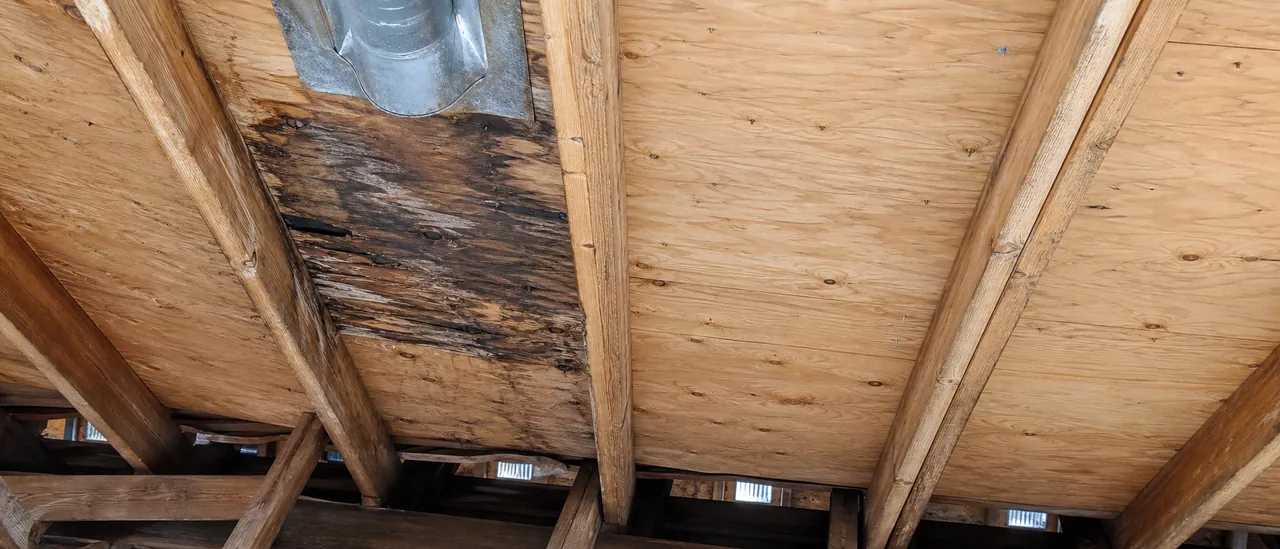
Dark stains, surface mold, rusty fastener marks, or raised panel edges show that moisture may have been present. They do not, by themselves, establish fungal decay or tell how much strength remains.
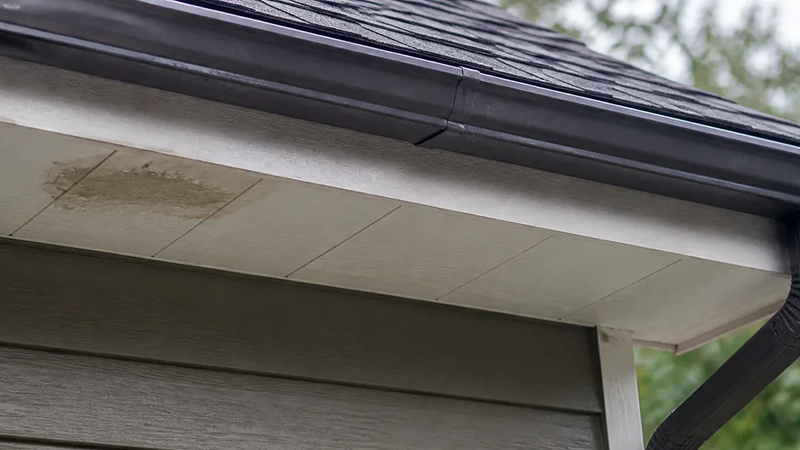
Likewise, a ceiling stain identifies a water pathway somewhere above it, not necessarily rotten decking. Water can travel along framing or underlayment before appearing indoors.
How rotted decking is confirmed
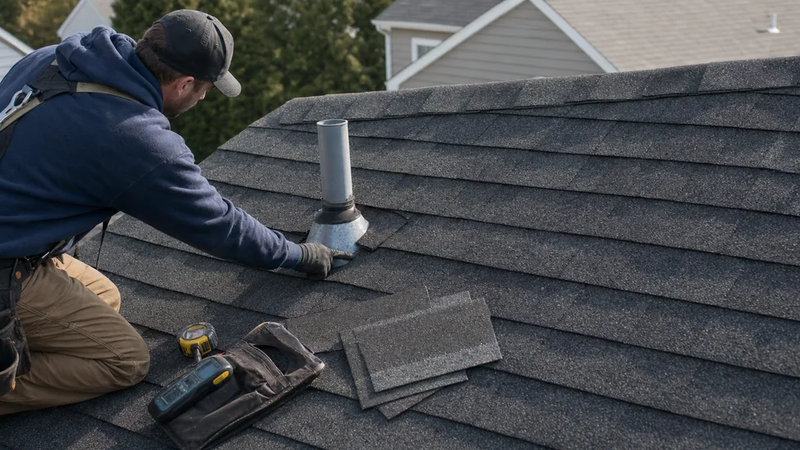
An evaluation starts with the roof covering, flashing, penetrations, drainage, attic conditions, and the deck’s accessible underside. These areas help trace whether moisture arrived from outside or condensed within the assembly.
Inspectors may compare moisture readings and probe suspicious wood where access and safety allow. Soft, crumbly, delaminated, or visibly deteriorated areas are more persuasive than color alone. Because the roof covering hides the deck’s top face, the full repair area may not be known until limited opening or roof-covering removal exposes it.
How urgent is it?
Active water entry should be corrected promptly so the affected wood can dry and the decay does not progress. Sagging, a soft area, or decking that no longer holds fasteners deserves faster attention; avoid walking on a suspected weak section.
A qualified roof inspector or experienced roofing professional can identify the moisture source and determine whether the deck needs localized replacement or a wider investigation. The repair should address both the weakened wood and the condition that kept it wet.