On this page
The most likely meaning
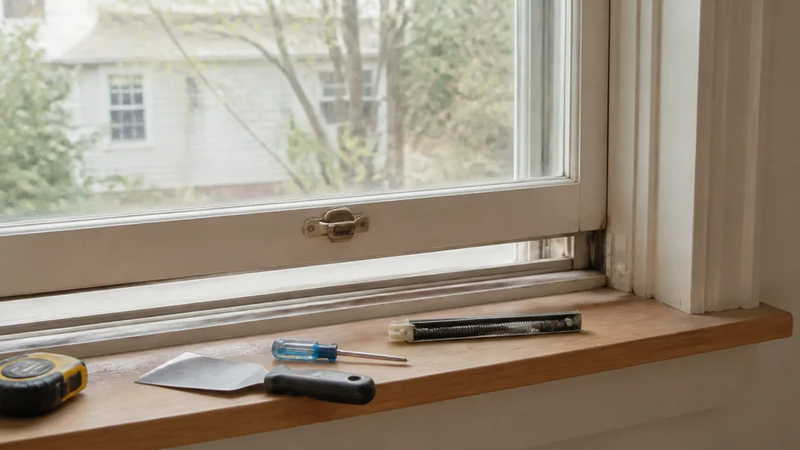
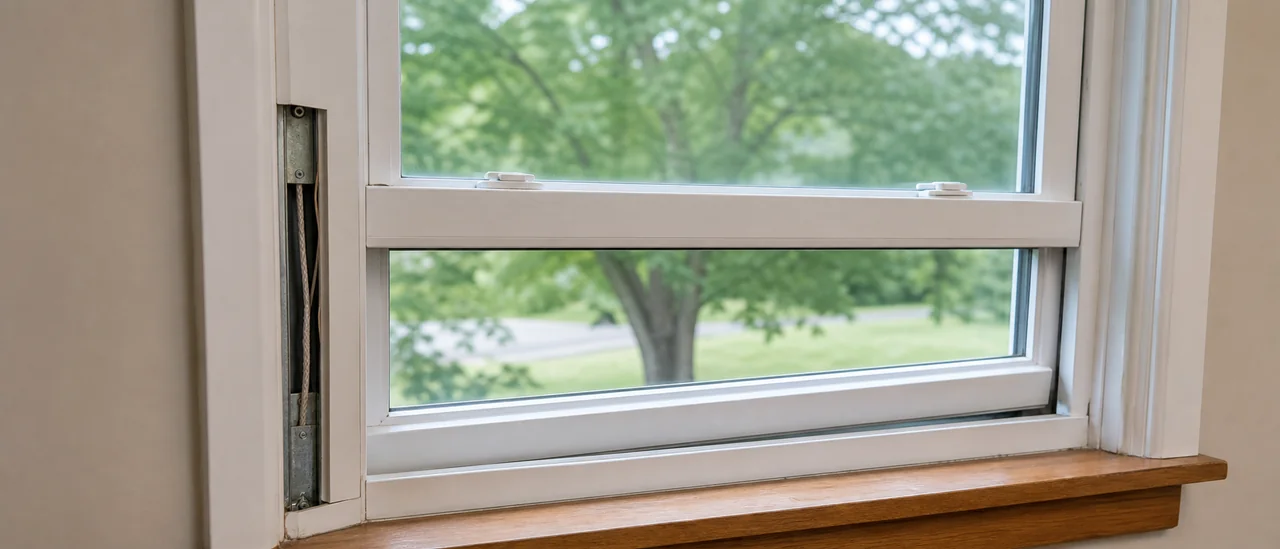
Broken window balances usually mean the movable sash is no longer properly counterbalanced. The window may feel unusually heavy, drift or fall after being raised, sit crooked, or resist smooth operation. A balance is the mechanism in a single- or double-hung window that helps lift the sash and keeps it from slamming shut.
This is generally an operating-hardware defect, not evidence that the wall or the whole window is structurally failing. It still matters because the sash may not remain where the user places it.
A report may identify the symptom first
“Broken balance” can be shorthand for a sash that will not stay raised or move normally. Unless the mechanism is exposed, ordinary operation may reveal the defect without proving which concealed part failed.
Other plausible causes
The symptom does not always mean a spring or cord has snapped. On some tilt windows, a pivot pin may have come out of its balance shoe. Andersen notes that a sash sliding down can result when that pin is not engaged; if re-engagement does not restore operation, replacement balancers may be needed.
Nearby hardware can also create a similar result. A damaged pivot shoe, disconnected cord, broken guide, or sash installed unevenly may leave one side unsupported. Binding from the frame or track can make movement difficult without being a balance failure. That is why the observed behavior and the final repair diagnosis should be kept separate.
How an inspector confirms the condition
The InterNACHI Standards of Practice call for opening and closing a representative number of doors and windows. ASHI likewise requires inspection of a representative number, not every window in the home. The applicable agreement, state rules, accessibility, and safety conditions can change the exact scope.
When a window is safely operable, an inspector may raise and lower the sash, compare resistance on both sides, and observe whether it remains open, drops, binds, or tilts. Visible loose cords, displaced shoes, or damaged channel hardware can strengthen the finding.
A standard visual inspection normally does not involve dismantling the jamb or removing the sash. Therefore, it may confirm abnormal operation while leaving the exact balance type, compatible part, and concealed failure for repair evaluation.
Urgency and the practical next step
Treat a sash that drops or will not stay open as a prompt repair item. Do not rely on it to remain raised, and avoid placing hands beneath an unsupported sash.
If the report does not identify the mechanism, ask whether the finding was based on operation, visible damage, or both. A qualified window-repair specialist can then identify the balance system, check related shoes and pivots, and determine whether adjustment, re-engagement, or component replacement is appropriate.