On this page
What the finding usually means
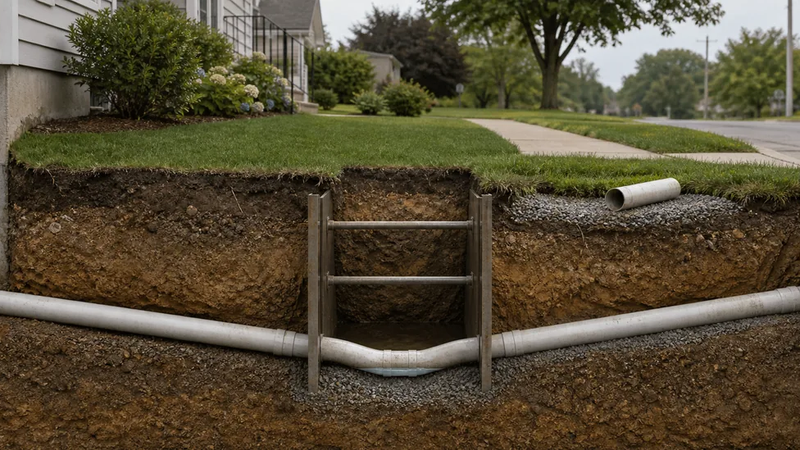
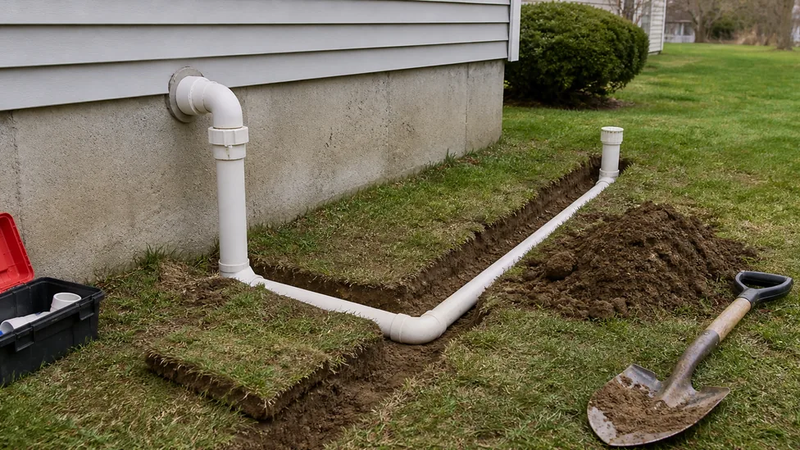
“Main sewer line defects” usually means the inspector observed evidence that the home’s building sewer, often called the sewer lateral, may not carry wastewater reliably. It does not automatically mean the municipal sewer main is defective or that the entire line needs replacement.
If a sewer scope was performed, the wording may refer to visible roots, cracks, separated or offset joints, corrosion, debris, a restriction, or standing water associated with a sag. Without a scope, the report may instead be flagging symptoms such as slow drainage or a backup. Those symptoms identify a concern, not its underground cause.
Read the finding, not just the label
Location, pipe material, obstruction, and effect on flow matter more than the broad word “defect.” Check whether the report describes direct camera evidence, an indirect symptom, or an area the inspector could not examine.
Why the possibilities differ
Some conditions are primarily maintenance concerns. Grease, grit, or debris can restrict flow, while early root intrusion can enter through a vulnerable joint. Structural conditions include fractures, broken pipe, significant displacement, deformation, or collapse. A sag is an alignment problem that can hold water and collect solids.
Severity cannot be inferred from a defect name alone. A small deposit and a pipe-blocking root mass are not equivalent. Likewise, a visible joint line may be normal, while a separated or offset joint can reduce the opening or admit roots.
How the issue is confirmed
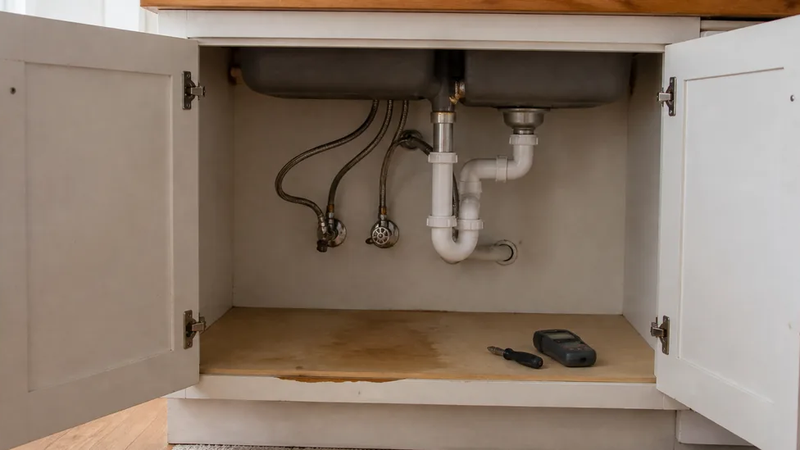
A standard home inspection is visual and limited to readily accessible components. The American Society of Home Inspectors standard covers interior drain, waste, and vent systems, but generally excludes underground items and does not require determining a deficiency’s cause.
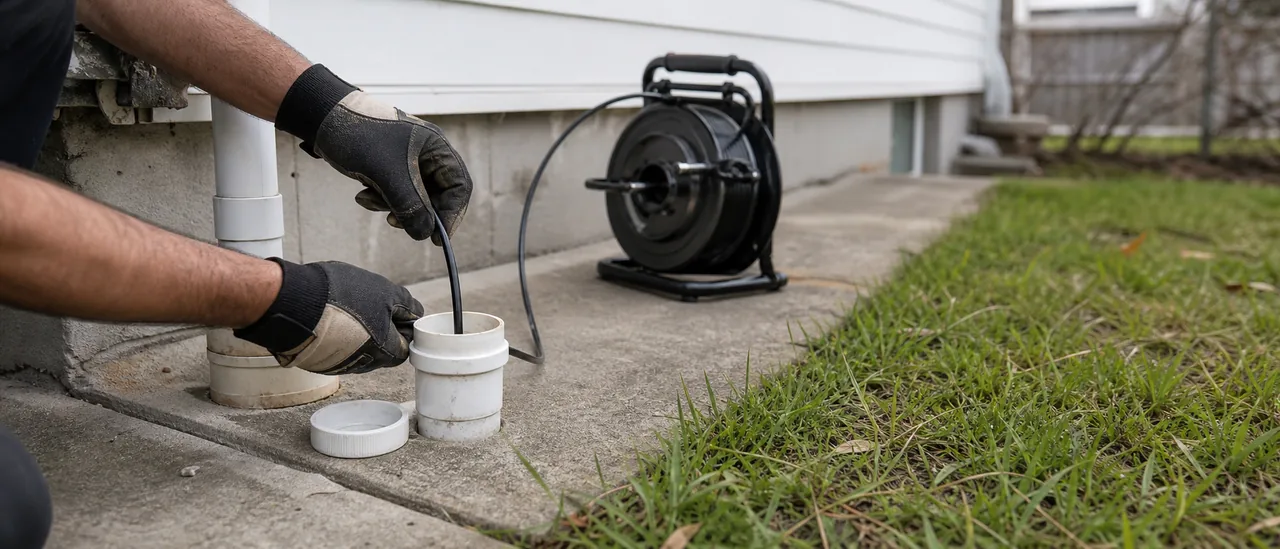
A sewer scope is a separate video inspection of the lateral from near the house toward the public tap or septic tank. It can document the pipe material, visible interior defects, their approximate position in the traveled section, and whether the camera reaches the intended endpoint.
The video still has limits. Flow, deposits, standing water, poor access, bends, or an obstruction can hide pipe surfaces or stop the camera. It also cannot establish every concealed condition outside the pipe wall. The written report and complete video should show what was and was not inspected.
Urgency and next step
Active sewage backup, a crushed or collapsed section, a broken line, or a severe blockage deserves prompt qualified evaluation because drainage may already be impaired. Lesser deposits, limited roots, or modest standing water may allow more time, but their significance depends on location, extent, and recurring symptoms.
Do not treat the phrase alone as a repair specification. A qualified sewer or plumbing specialist can review the footage, confirm the affected section and ownership boundary, and determine whether cleaning, monitoring, localized repair, or broader correction fits the actual condition.