On this page
What the tunnels most likely mean
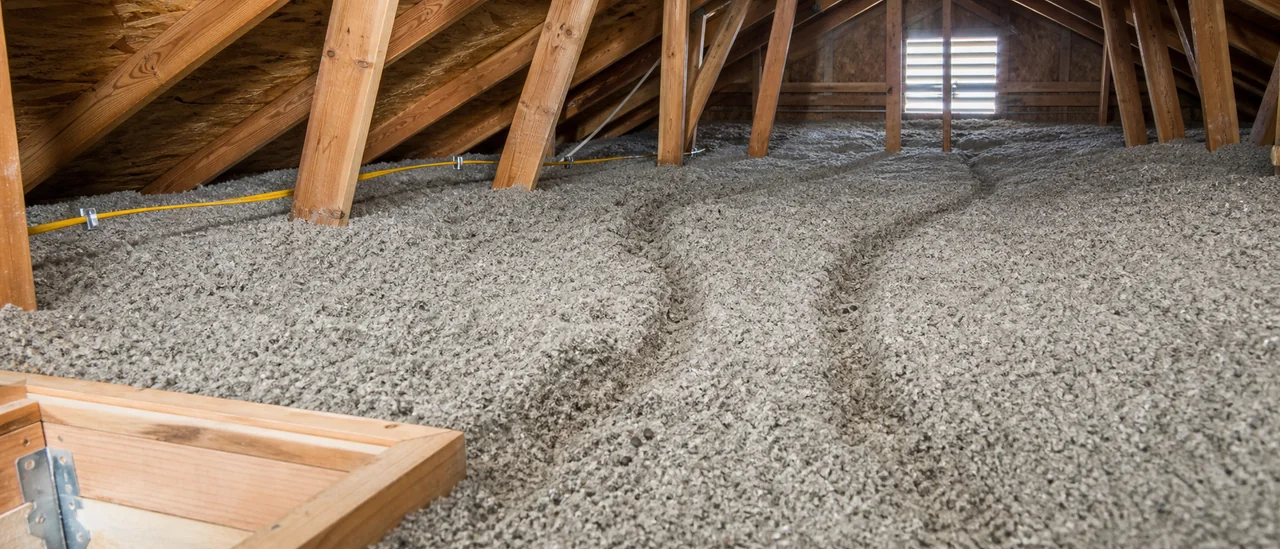
Narrow, repeated paths through loose attic insulation usually mean a small animal has traveled through the area. Rodents are a reasonable concern, especially when the paths connect sheltered edges, openings, or nesting material. The trails alone do not prove an active infestation.
Fresh droppings, gnaw marks, shredded nesting material, odors, or a seen animal make rodent activity more likely. The EPA identifies droppings, nesting material, chewing, entry holes, and stale smells as signs of rat or mouse infestation.
What can look similar
Not every groove is an animal tunnel. An inspector also considers ordinary disturbance from:
- workers reaching wiring, ducts, or equipment;
- stored items or boards that compressed the insulation;
- air movement near vents; and
- older, uneven installation or settled insulation.
Human access often leaves broad compression or a path toward equipment. Animal travel more often appears as narrow, repeated routes, but shape is only a clue. Photographs rarely provide enough context to settle the cause.
What the inspection finding does—and does not—say
“Possible rodent tunnels” describes a visible pattern, not a species identification or population count. It also does not establish whether activity is current, where animals entered, or how much concealed contamination or damage exists.
How the finding is confirmed
Confirmation means looking for several signs that agree, not relying on one trail. That may include the route and condition of the paths, droppings of different apparent ages, nesting material, gnawing, rub marks, odors, entry gaps, traps, or recent sounds reported by occupants.
A standard home inspection has important limits. ASHI’s Standard of Practice covers readily accessible, visually observable systems and components and says inspectors are not required to disturb insulation. Deep insulation, unsafe footing, limited access, and concealed cavities can therefore prevent a complete view. Pest identification and activity testing may also fall outside the agreed home-inspection scope.
Urgency and the practical next step
This is usually a prompt follow-up item, not proof of an emergency. The priority rises when the attic has abundant droppings, strong odor, damaged wiring, active animals, extensive nesting, or an obvious opening that allows continued entry.
Do not sweep or vacuum suspected rodent droppings, urine, or nesting material. CDC guidance warns that this can put contaminated particles into the air and provides wet-disinfection procedures instead.
Review the inspector’s photographs and wording first. If multiple rodent signs are present or the attic could not be fully observed, a qualified pest professional can determine current activity and entry points. An appropriate insulation or cleanup specialist can then assess contaminated material without assuming every visible trail requires wholesale replacement.