On this page
What a septic defect usually means
A septic tank defect usually means the report found a warning sign, damaged accessible component, or inspection limitation—not necessarily a failed system. The wording may refer to the tank alone or, less precisely, to the entire onsite system, including piping, pumps, and the drainfield.
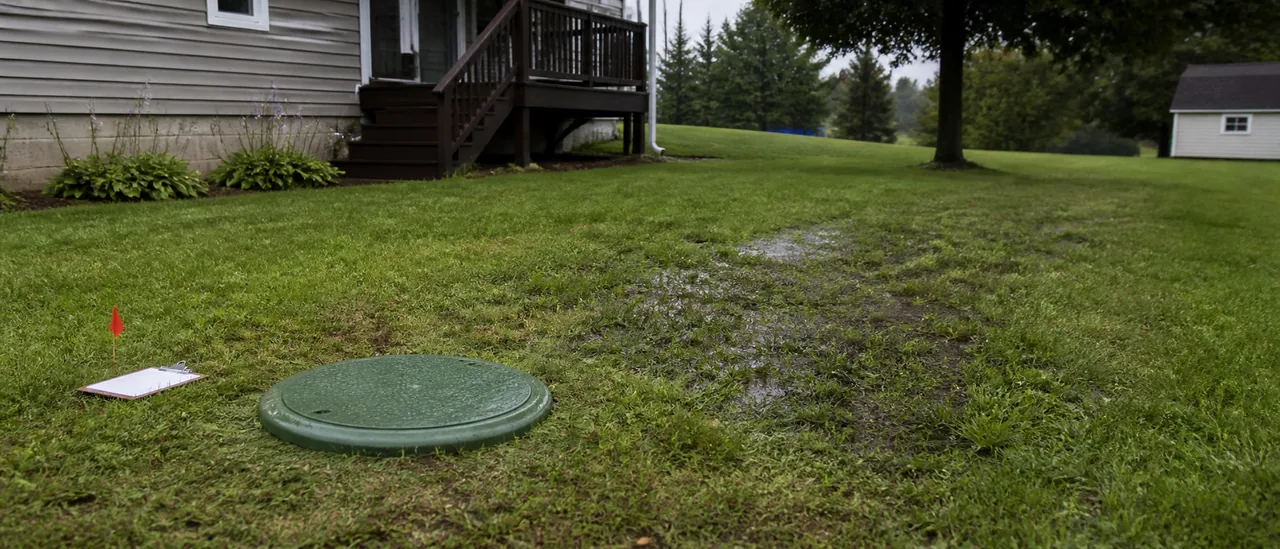
Read the exact observation before judging severity. Standing wastewater, sewage backup, or surfacing effluent can indicate a serious malfunction. An odor, slow drain, unusually green grass, missing service records, or inaccessible tank lid calls for investigation but does not establish the cause by itself.
“Defect” is not a single septic diagnosis
The useful part of the report is the specific condition: what was seen, where it was found, what was not inspected, and whether further evaluation was recommended. The label alone cannot reveal repair scope.
Why the scope matters
A standard home inspection and a dedicated septic inspection are different services. For example, New Mexico’s home-inspector licensing standard does not require inspection of onsite septic systems or determination of reported conditions’ causes. Other state rules and the signed inspection agreement may set a different scope.
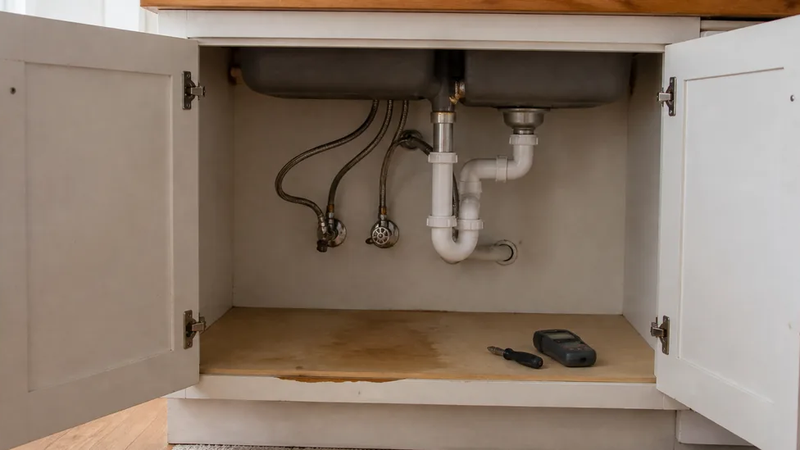
Consequently, a home inspector may report wet ground, odors, plumbing symptoms, an alarm, visible damage, or an inaccessible system without opening tanks or testing underground components. A report should not be read as proof that everything below grade was evaluated—or that a visible clue confirms system failure.
How the condition is confirmed
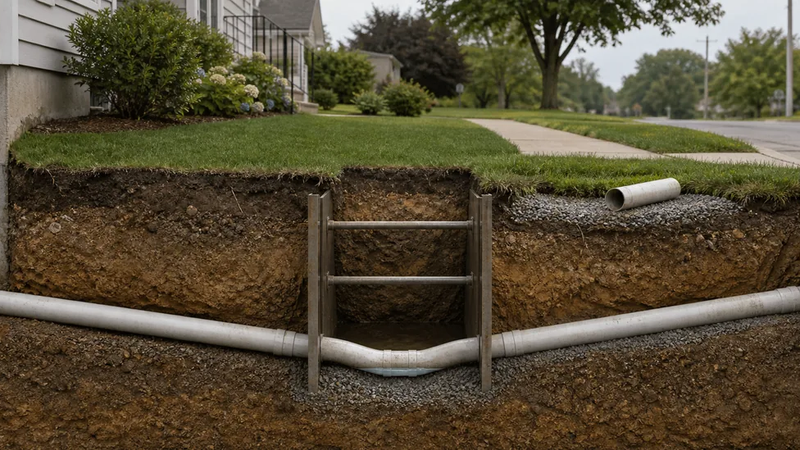
A dedicated evaluation goes beyond a yard-level visual check. EPA says a typical septic inspection may review permits and maintenance records; open the tanks and distribution box; measure sludge and scum; inspect the tank, pipes, filter, pumps, controls, and wiring; and evaluate the drainfield. Camera work or limited excavation may also be appropriate for particular systems.
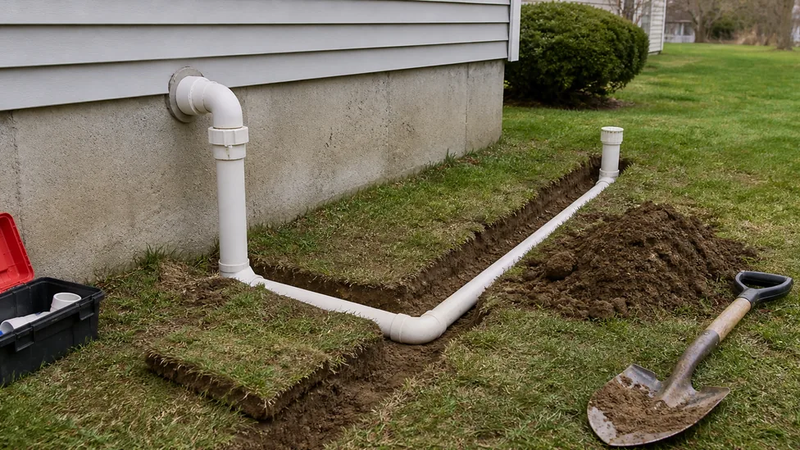
That work can distinguish among different problems, such as a blocked pipe or filter, a damaged tank component, excessive solids, failed pumping equipment, or drainfield trouble. It also clarifies whether an apparent defect is merely limited access or missing documentation.
Urgency and the practical next step
Treat sewage backing up indoors, surfacing wastewater, or standing liquid over the system as prompt concerns. Avoid contact with wastewater and reduce water use until the condition is evaluated. Wet soil without recent heavy rain, strong drainfield odors, or recurring slow drainage also deserves timely attention.
For missing records, uncertain system location, or an inaccessible lid without failure symptoms, the next step is usually less urgent: obtain permit and maintenance records, then arrange access as needed. When the report identifies symptoms but not their cause, a qualified septic-system professional can perform the dedicated evaluation that a general visual inspection may not include. Local health or environmental authorities can explain area-specific inspection and permit requirements.