On this page
Usually, the latch and sash are not meeting correctly
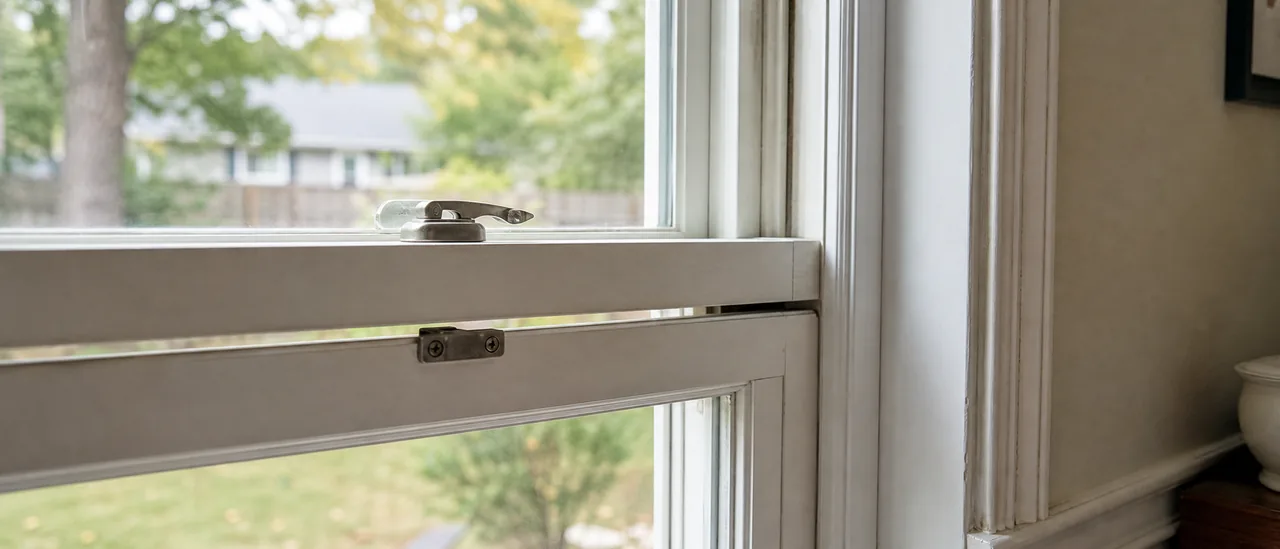
A window that does not lock usually means its latch cannot engage the keeper because the sash is not fully seated or the hardware is misaligned, loose, worn, or damaged. It is a functional and security deficiency, but it does not establish the underlying cause or prove that the wall or foundation has moved.
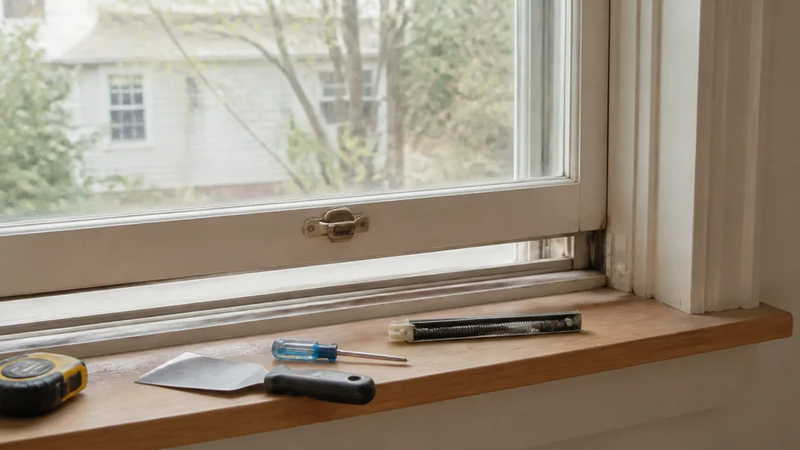
The simplest explanations include dirt or paint in a track, an incompletely closed sash, or a shifted keeper. Industry maintenance guidance notes that tracks need cleaning, hardware needs maintenance, and strike placement can affect proper lock operation.
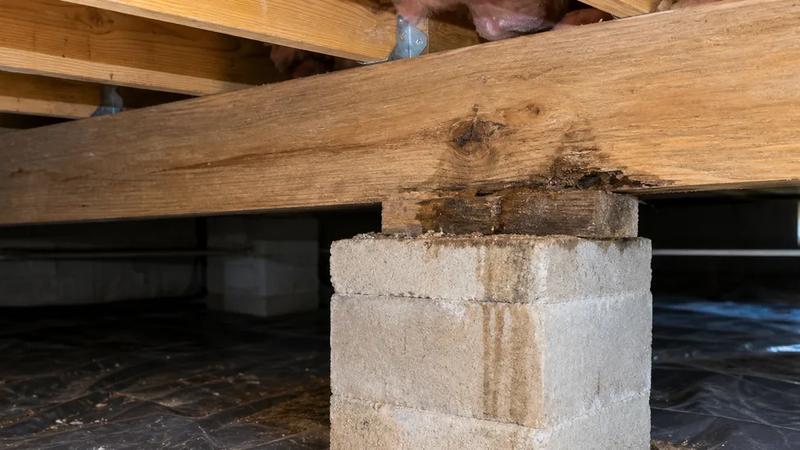
Other possibilities include a distorted sash, a frame that is no longer square, failed operating hardware, or installation-related binding. Age, moisture damage, or building movement may contribute, but a home inspection observation alone cannot identify which one applies.
One window versus a pattern
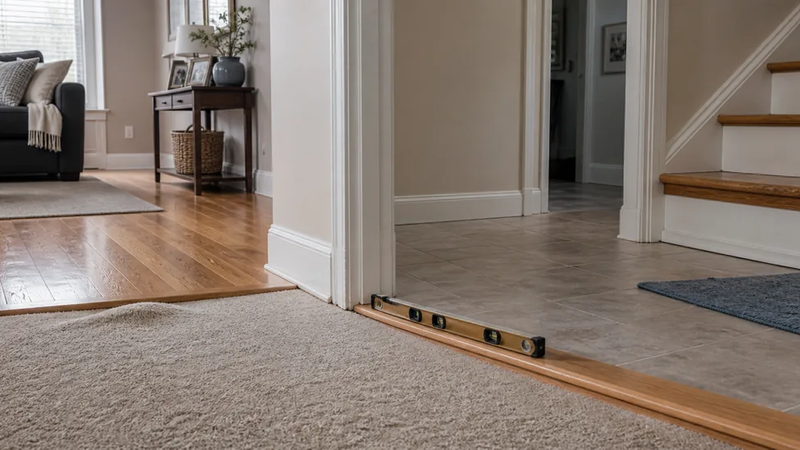
One isolated lock problem often points to local adjustment, cleaning, or hardware repair. Several binding or non-latching windows—especially near fresh wall cracks, uneven gaps, or sticking doors—justify broader evaluation before anyone assigns a structural cause.
What the inspector can confirm
A home inspector typically operates readily accessible windows with normal controls and reports those that do not function properly. Under InterNACHI’s standard, inspectors open and close a representative number of windows. ASHI likewise defines a home inspection as a visual examination of readily accessible components and does not require every occurrence of repeated components to be inspected.
For the affected window, useful confirmation includes:
- closing the sash normally, without forcing it;
- checking whether the latch moves and meets its keeper;
- looking for loose hardware, debris, uneven gaps, damage, or visible decay; and
- comparing nearby windows for a repeated pattern.
That process can confirm the observed failure and visible clues. It cannot reveal concealed framing, quantify air or water leakage, test forced-entry resistance, or determine a structural cause without additional methods. The report and inspection agreement should state which windows were inaccessible or outside the inspection scope.
How urgent is it?
Prompt attention makes sense when the window is reachable from outside, cannot be secured closed, shows loose glass or decay, or is part of a broader movement pattern. Where young children can reach an operable window, do not rely on the screen as fall protection. The U.S. Consumer Product Safety Commission recommends suitable window guards or stops while preserving an easy emergency escape.
An isolated lock that otherwise closes evenly is commonly a repair item rather than an emergency. Avoid forcing the latch, which can hide poor alignment or damage hardware. A qualified window technician or carpenter can identify the needed adjustment or repair. Broader structural evaluation is reasonable only when the lock problem appears with other credible movement indicators.