On this page
What a condo inspection usually covers
A condo inspection usually includes a visual, non-invasive check of accessible systems and components inside the unit. The inspection agreement, applicable state rules, and the inspector’s standard of practice define the exact scope.
For a typical apartment-style condo, the inspection commonly covers:
- walls, ceilings, floors, doors, windows, steps, and railings;
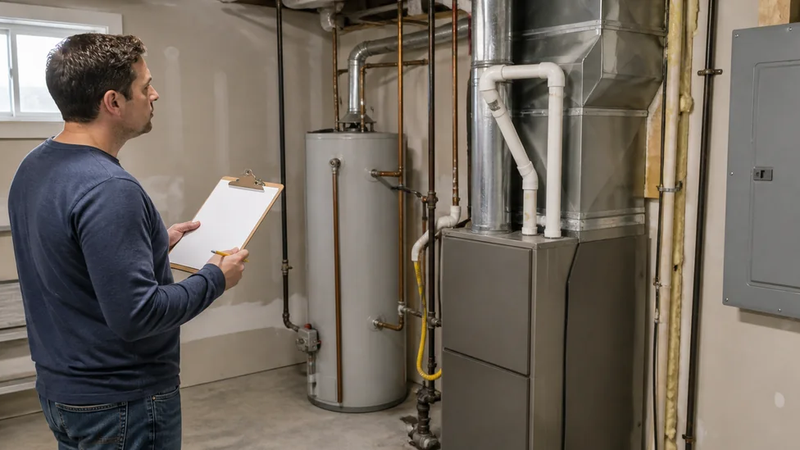
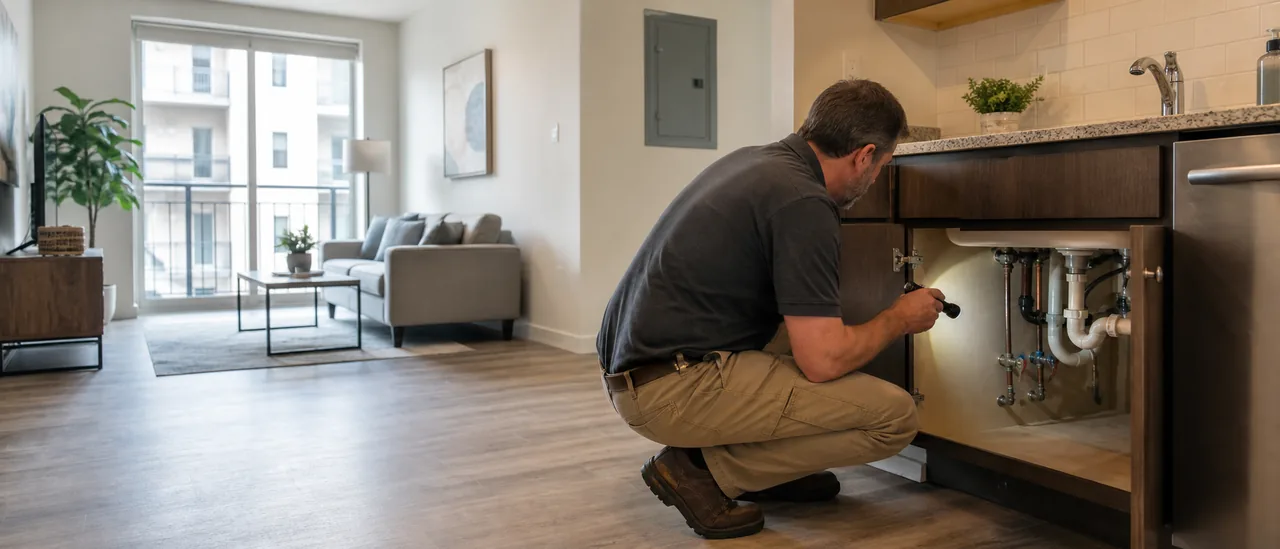
- visible plumbing supply and drain components, fixtures, faucets, and water-heating equipment serving the unit;
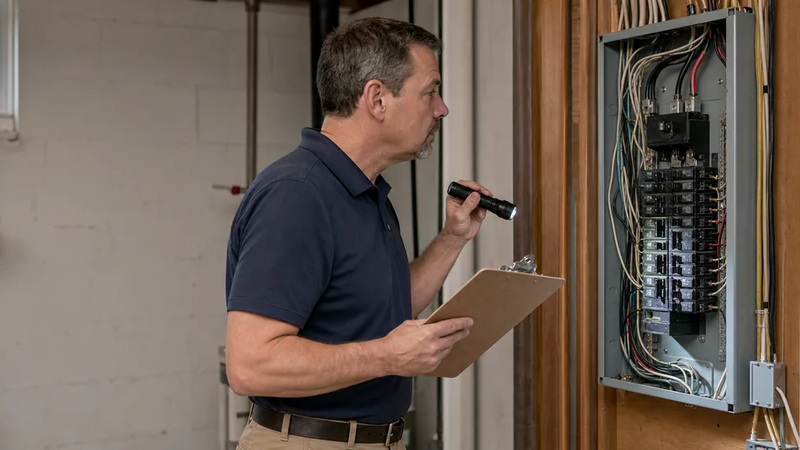
- accessible electrical panels, wiring components, and a representative number of lights, switches, and receptacles;
- permanently installed heating and cooling equipment and distribution components;
- kitchen, bathroom, laundry, and dryer exhaust systems; and
- any built-in appliances specifically included in the inspection agreement.
The inspector may also examine an attached garage, balcony, roof, exterior, attic, or visible structural component when it is accessible and included in the agreement. The written report identifies material defects observed within the agreed scope and may include recommendations.
“Condo inspection” does not automatically mean the whole building
Roofs, foundations, exterior walls, shared plumbing or electrical equipment, corridors, and other common elements may belong to the association’s scope. Check the inspection agreement and condominium documents to see which areas are included and whether access has been arranged.
What a standard inspection may exclude
Inspection standards set a baseline, not an unlimited investigation. InterNACHI’s standard, for example, says common elements in multi-unit housing are not required, although the client and inspector may modify the scope beforehand.
A standard inspection also does not normally uncover concealed defects, dismantle equipment, move belongings, determine code compliance, calculate repair costs, or predict remaining service life. Radon, mold, pests, sewer lines, pools, and other specialty subjects require separate scope when requested. Local licensing rules and the signed agreement can change these details.
What the inspector can confirm
An inspector observes accessible conditions, operates normal controls, and opens readily openable access panels. That can confirm facts such as a visible stain, an outlet that did not respond during testing, damaged flooring, or equipment that failed to start under the inspection conditions.
Visual evidence does not necessarily establish the exact cause or reveal conditions behind finishes. A ceiling stain may be dry and old, for example, or may relate to plumbing or building-envelope components outside the unit. The report should separate what was observed from what needs further evaluation.
How urgently to act on findings
Address reported safety concerns and active water entry promptly. Significant movement, repeated moisture, overheating, or failed heating and cooling may also justify timely evaluation, depending on conditions and weather. Cosmetic wear or a minor maintenance item usually allows more planning.
Read the report’s limitations alongside its findings. When a material concern crosses into shared property or cannot be confirmed visually, the practical next step is evaluation by the association or an appropriately qualified system specialist.