On this page
What a standard home inspection includes
A standard home inspection is a visual evaluation of readily accessible, installed systems and components. It describes conditions observed during the visit; it is not a guarantee that every defect will be found.
Although the exact scope depends on the inspection agreement and the standard used, a general inspection commonly covers:
- the foundation, framing, and other visible structural components;
- the roof, exterior wall coverings, grading, drainage, decks, steps, and railings;
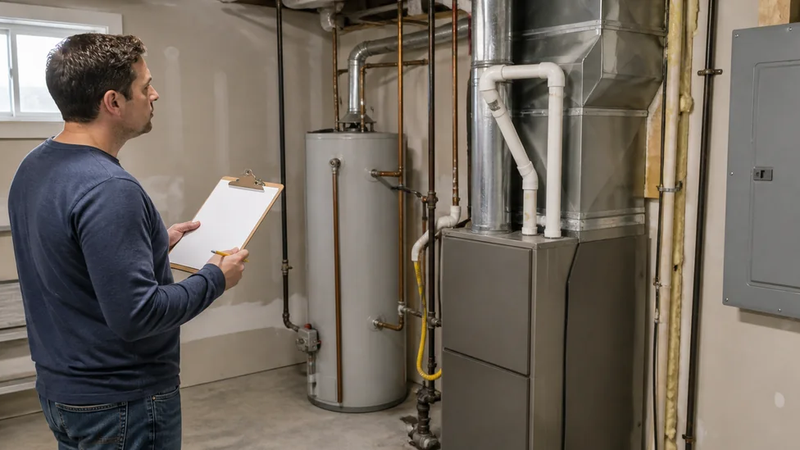
- plumbing fixtures, visible supply and drain components, and water-heating equipment;
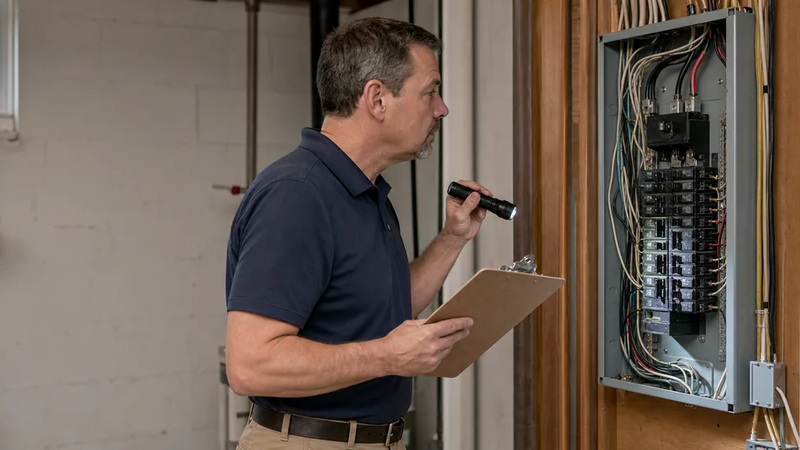
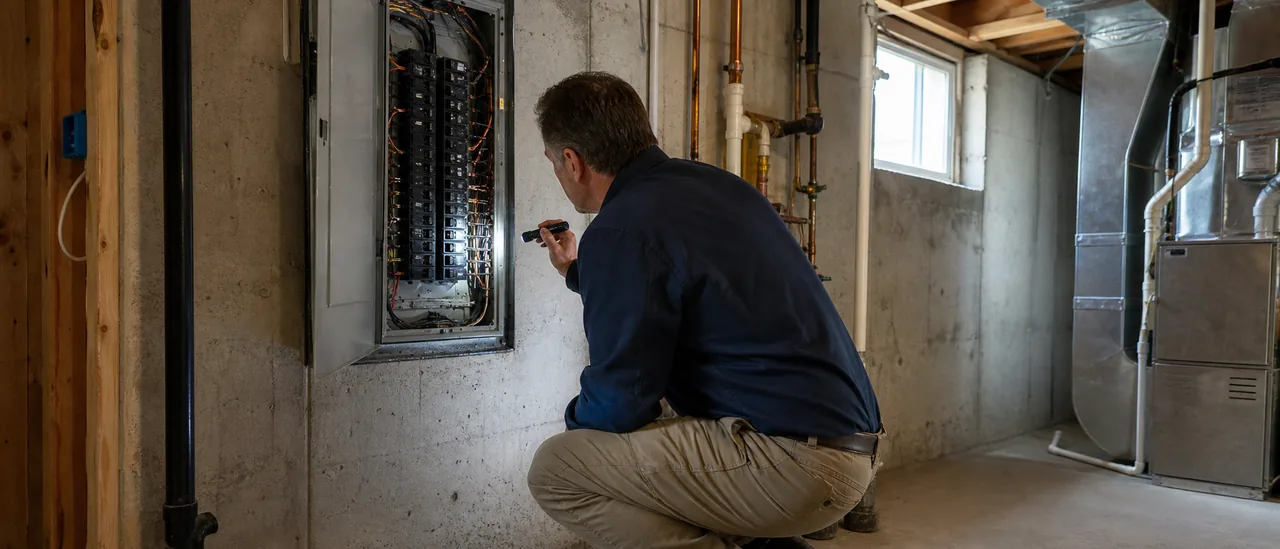
- electrical service equipment and a representative number of switches, lights, and receptacles;
- installed heating and cooling systems operated under suitable conditions;
- fireplaces and accessible chimney or vent components;
- attics, insulation, ventilation, and mechanical exhaust systems; and
- interior floors, walls, ceilings, doors, windows, stairs, and attached garages or carports.
The inspector then provides a written report identifying observed defects considered material under the inspection standard. It may also include comments and recommendations. Read the report’s stated limitations to understand which areas or systems were not inspected.
How conditions are checked
Inspectors primarily use sight, normal operating controls, and component-specific checks. They may run faucets, flush toilets, adjust thermostats, test accessible receptacles, and open a representative number of windows. The method varies by component and safety conditions.
Observation is not the same as diagnosis
An inspector can document a visible stain, a nonresponsive outlet, or equipment that did not start. A visual inspection may not establish the stain’s cause, reveal concealed wiring, or predict when equipment will fail.
What is usually outside the standard scope
A general inspection is not technically exhaustive. Inspectors are not normally required to move belongings, dismantle systems, expose concealed areas, determine code compliance, calculate repair costs, or estimate remaining service life.
Environmental hazards, mold, pests, underground items, and recreational facilities are also outside some general standards. Specialized tests or evaluations may be added by agreement, but they should not be assumed. Unsafe or inaccessible areas can remain uninspected, so read every limitation in the report.
What to do with the findings
Prioritize reported safety hazards, active water entry, overheating, or major system failures. Less urgent maintenance and cosmetic concerns can usually be planned instead of treated as emergencies.
The report records what was visible on one date. When a material concern cannot be confirmed visually, evaluation by an appropriately qualified system specialist is a reasonable next step.