On this page
What the finding usually means
High water pressure usually means the inspector measured excessive static pressure in the home’s supply piping. Many reports flag a reading above 80 pounds per square inch (psi), a common maximum in plumbing codes. The locally adopted code and the inspection agreement still control the exact standard.
A high reading identifies a pressure-control concern, not proof that pipes or fixtures are already damaged. The report should identify the measured value and where it was taken.
Pressure is not the same as flow
A forceful shower can reflect pressure, fixture design, or flow conditions. Static pressure is confirmed with a gauge while water is not being used; appearance alone cannot establish the number.
Why the reading may be high
The incoming utility pressure may simply be high because of the property’s elevation or its water-system pressure zone. Pressure can also vary with demand and routine utility operations.
Inside the property, the likely explanations are a missing pressure-reducing valve (PRV), an incorrect adjustment, or a regulator that is no longer controlling pressure consistently. A single temporary spike is also possible. For that reason, one reading should be interpreted with its time, location, and test conditions.
How high pressure is confirmed
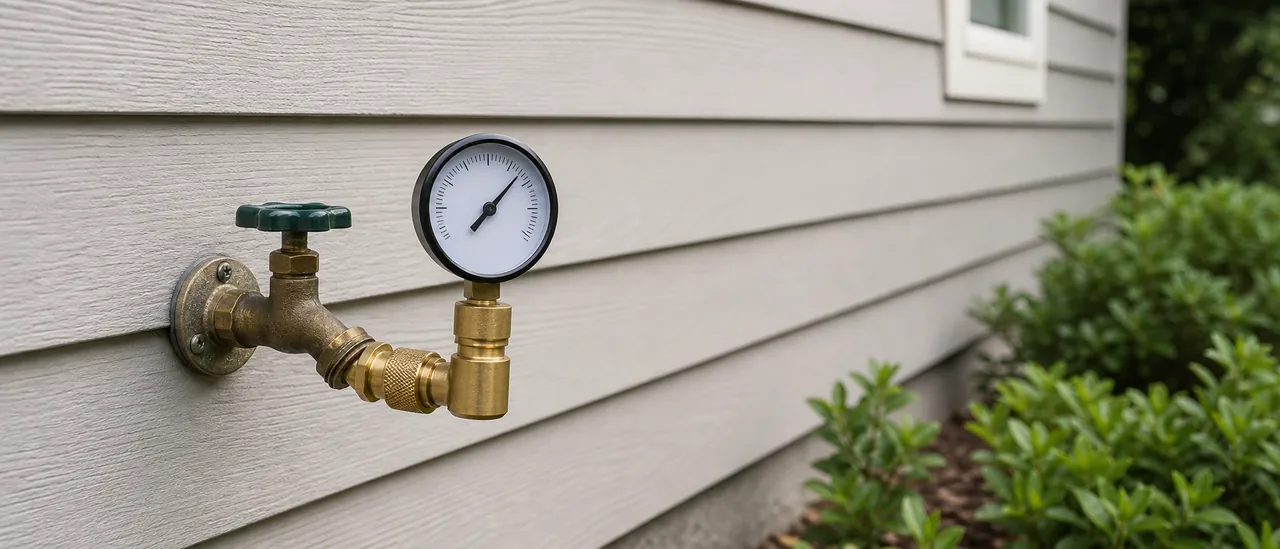
A pressure gauge can be connected to an exterior faucet or hose bib. For a static reading, fixtures and water-using equipment should be off. Repeating the test at different times, or monitoring for peaks, can separate persistent high pressure from an intermittent change.
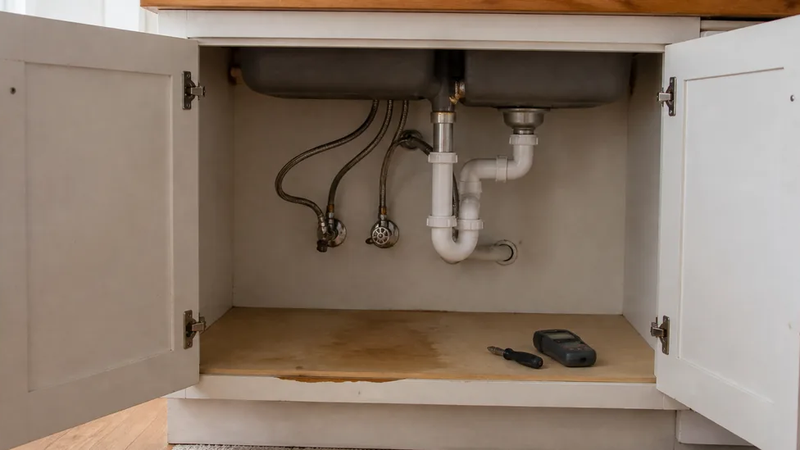
The inspector may also see a PRV, leaking connections, or other visible clues. Those observations cannot confirm hidden pipe condition, regulator performance, or the exact cause without testing.
The InterNACHI Standard of Practice defines a home inspection as a non-invasive visual examination of accessible areas. It does not require determining exact water pressure, the cause of a condition, or code compliance. State rules, another inspection standard, and the signed agreement may define a different scope.
Urgency and the practical next step
High pressure without leakage is normally a prompt follow-up item, not a reason to shut off the water immediately. Active leaking, a failed connection, or rapidly worsening symptoms change that urgency.
Start with the report’s pressure value, test location, and comments about the PRV. A qualified plumber can repeat the measurement, check incoming and regulated pressure, evaluate the valve, and compare the system with locally adopted requirements. That evaluation can determine whether adjustment, repair, or installation is appropriate instead of assuming every high reading needs the same correction.