On this page
What the finding usually means
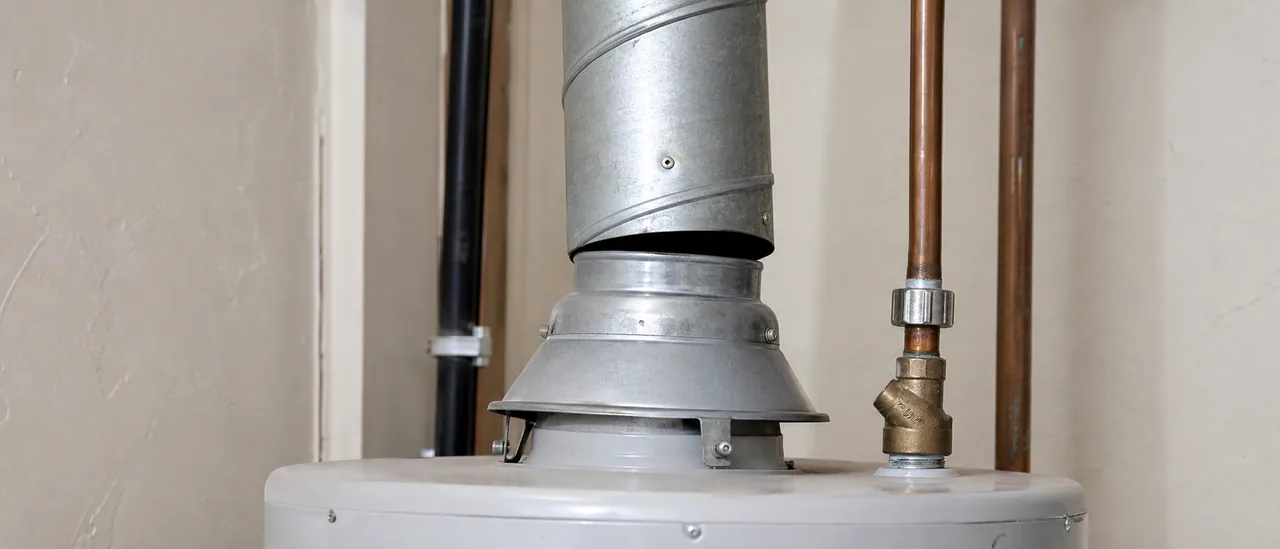
“Improper water heater venting” usually means the inspector saw a concern in the exhaust path of a fuel-burning water heater. The vent may not be reliably carrying combustion gases outdoors as installed.
The observation could involve a loose or disconnected connector, a downward-sloping section, corrosion, poor support, inadequate clearance, or a questionable connection or termination. Some corrections are physically small, such as securing a loose joint. The potential consequence is not small, because failed venting can allow combustion gases into the home.
The finding does not prove that carbon monoxide was present during the inspection. It also does not, by itself, identify the exact cause or repair.
Treat active spillage as an immediate safety concern
A disconnected vent or confirmed backdrafting can release combustion gases indoors. If the report documents either condition, avoid operating the heater until a qualified professional evaluates the system and makes it safe.
Other conditions that can produce the same concern
An inspector may also note soot, scorching, or heat-damaged material near an atmospheric water heater’s draft hood. Those patterns can indicate past or current backdrafting, but appearance alone cannot show when it occurred or whether it happens continuously.
Backdrafting may relate to the vent layout, an obstruction, inadequate combustion air, or pressure created by exhaust fans and other equipment. A shared chimney can add another variable. Because water heaters use different venting designs, a detail that is normal for one appliance may be wrong for another.
What a home inspection can confirm
Under InterNACHI’s home-inspection standard, an inspection is a non-invasive, visual examination of accessible areas. It includes water-heating equipment and venting connections. However, the inspector is not required to inspect flue or chimney interiors, determine combustion-air adequacy, establish the cause, or verify code compliance.
That means the report can reliably identify a visible defect or suspicious sign without completing a combustion-safety diagnosis. The inspector’s photos and comments should show the location and observed condition. If the wording only says “improper,” ask which component or performance sign prompted the finding.
How the condition is confirmed
A qualified plumber or appropriate combustion-system specialist can compare the complete installation with the appliance instructions and locally adopted requirements. Evaluation may include checking connector material, size, slope, joints, clearances, the full vent route, termination, combustion-air provisions, and interactions with other exhaust equipment.
Draft and combustion testing may be appropriate when the visible condition does not settle the question. A repair should address the cause, not merely hide soot or discoloration.
Prompt evaluation is sensible before routine use or purchase decisions. Until then, do not disassemble, tape, or reroute a fuel-burning appliance vent as a do-it-yourself test.