On this page
What negative grading usually means
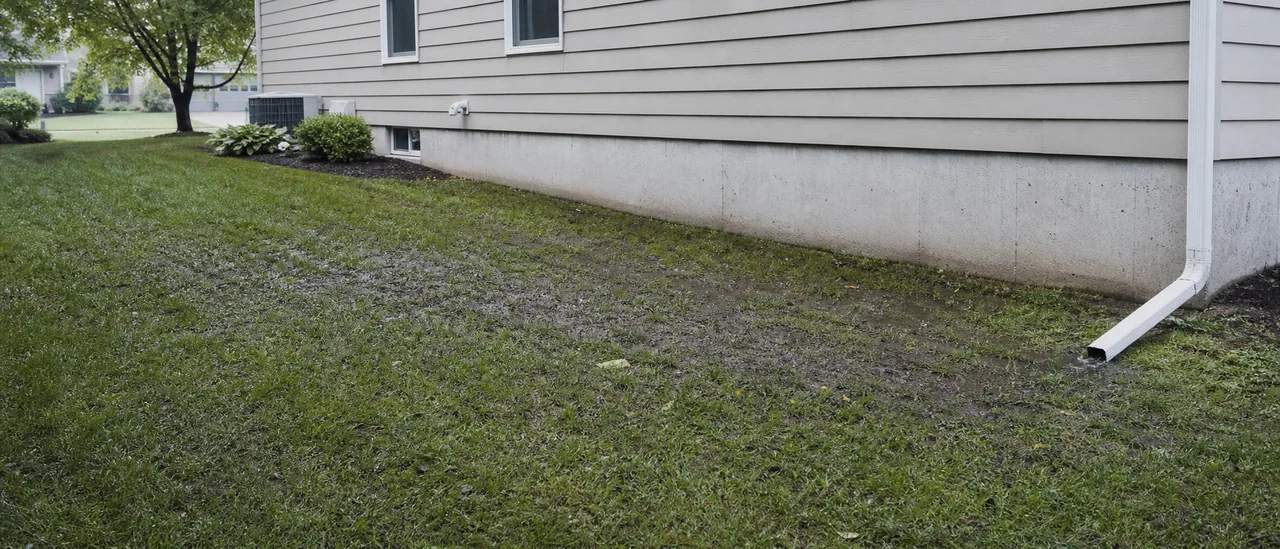
Negative grading means the ground or a nearby hard surface slopes toward the foundation rather than away from it. An inspector is flagging a drainage condition that may direct rain, irrigation, or snowmelt toward the house.
It does not automatically mean the foundation is damaged or leaking. A shallow dip may be localized, and an existing swale or drain may manage runoff. The concern becomes more meaningful when the slope leads to ponding, erosion, dampness, or water-entry evidence.
A drainage observation, not a leak diagnosis
“Negative grading” describes the direction of the surface slope. It does not, by itself, identify a failed waterproofing system, hidden foundation defect, or past flooding event.
Why the grade may slope inward
Soil placed beside a foundation can settle after construction or later excavation. Landscaping changes, compressed planting beds, edging, and erosion can also create low areas. Patios, walks, or driveways may settle or may have been installed with an inward pitch.
Downspouts, irrigation, and neighboring slopes can compound the condition by adding water. Those are related drainage factors, but they are not alternate definitions of negative grading.
What an inspector can confirm
Inspection requirements vary by jurisdiction and agreement. For example, Texas defines a real estate inspection as a limited visual survey and requires inspectors to report deficient grade levels around the foundation.
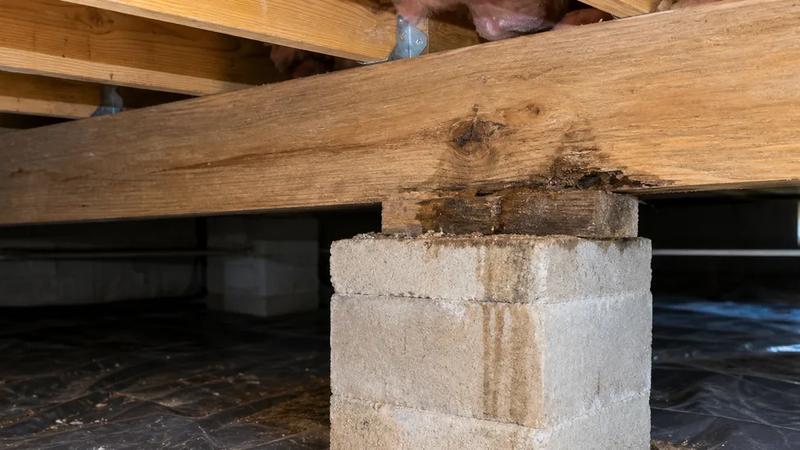
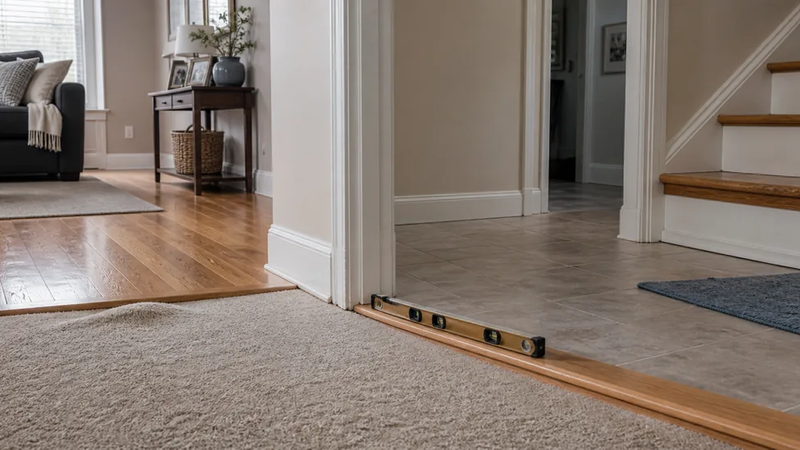
An inspector may observe the direction of slope, low spots, soil erosion, foundation staining, efflorescence, or damp basement and crawl-space materials. A level or elevation measurement can document the amount of fall when access and the inspection scope allow it.
Visual observations cannot establish how the site performs during every storm. They also cannot confirm concealed waterproofing, buried drain condition, subsurface soil behavior, or the source and timing of an old stain. Texas standards, for example, exclude underground-water determination and drainage-system efficiency. The EPA notes that basement water may result from missing gutters or water flowing toward the house, which is why the whole drainage pattern matters.
How urgent is it?
Treat the note as a practical drainage warning, not proof of structural failure. Prompt evaluation is more important when water ponds against the house, enters a basement or crawl space, soil is washing away, or moisture damage is active.
In a dry area with no related evidence, the condition may warrant monitoring and correction during ordinary exterior maintenance. Avoid simply piling loose soil against siding or covering foundation clearances. If the needed drainage path is unclear, or paving and retaining features are involved, a qualified drainage, landscaping, or foundation professional can assess elevations and propose a site-specific correction.