On this page
Start with a full home inspection
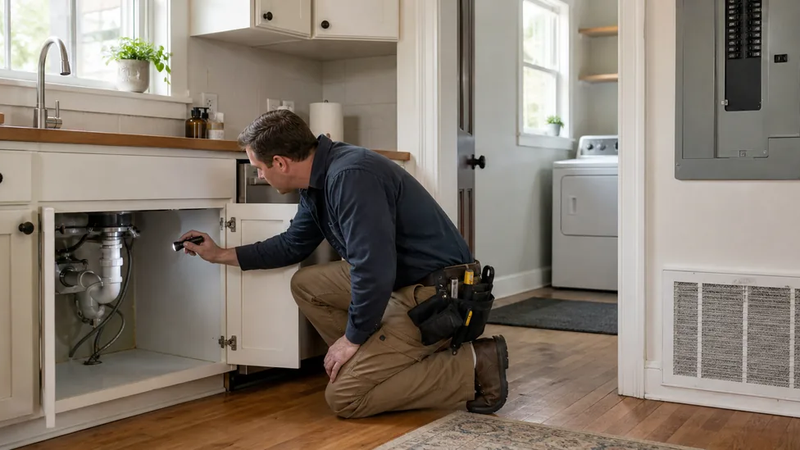
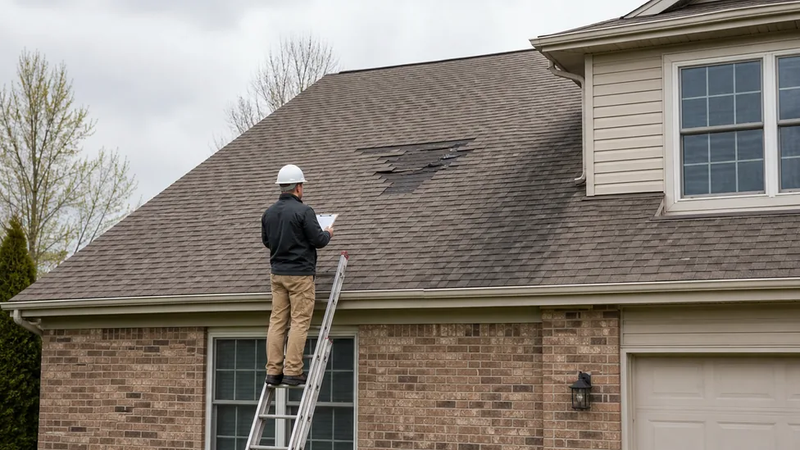
Get a standard home inspection, then add targeted inspections for systems that are underground, inactive, or outside a visual inspection’s scope. Common additions are a sewer scope or septic inspection, well and water-quality testing, radon testing, and focused evaluation of moisture, pests, chimneys, pools, or other features when the property’s history or condition justifies them.
Vacancy itself does not prove a defect. It does increase uncertainty because plumbing, heating, cooling, appliances, and drains may not have operated normally for weeks or months.
Utilities determine what can be tested
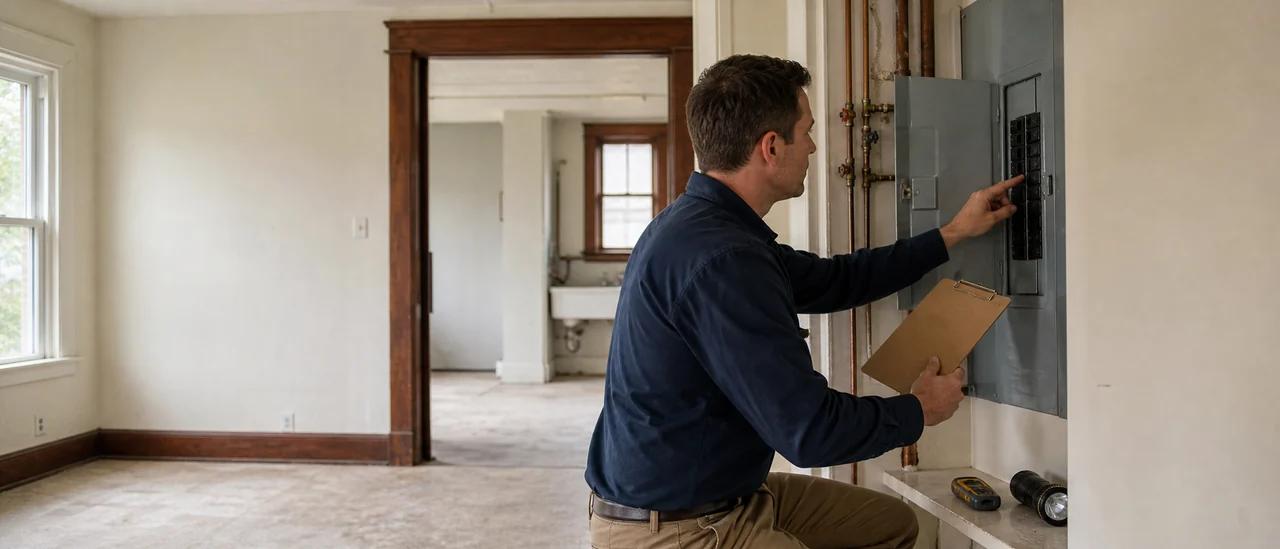
Confirm before the appointment that water, electricity, and fuel will be safely available. If a system is shut down, an inspector is not required to operate it; arrange a return visit or qualified system evaluation instead of treating “not tested” as “working.”
Match the extra inspection to the house
Use the standard inspection and property records to choose additions:
- Sewer or septic: Consider a camera scope for the buried building sewer. If the home uses onsite wastewater, obtain a septic inspection; EPA specifically emphasizes inspection before purchase. These systems are not covered by the visible interior drain check.
- Private well and water: Have the well equipment evaluated and use a state-certified laboratory for water testing. CDC recommends at least annual testing for total coliforms, nitrates, total dissolved solids, and pH, plus locally relevant contaminants identified by the health department.
- Radon: Test rather than relying on vacancy, smell, or appearance. EPA notes that buyers may request a new test when an earlier test is not recent, procedures were not followed, the home changed, or a lower level will be occupied.
- Moisture, mold, and pests: Request focused evaluation when there are stains, musty odors, standing water, damaged wood, pest evidence, or a documented leak. Do not order a generic mold-air test automatically; EPA says visible mold usually does not require sampling.
- Special features: Chimney interiors, pools, detached buildings, fuel tanks, solar equipment, and private utilities may need specialists because standard scope varies or excludes them.
Why a vacant house needs careful limits
ASHI defines a home inspection as a visual examination of readily accessible systems and components. Its standard excludes water quality, wells, septic systems, environmental hazards, many underground items, and systems that are shut down or inoperable.
That means an inspector can report visible leakage, corrosion, staining, deterioration, or failed normal controls. A visual visit cannot confirm clear buried piping, safe drinking water, radon concentration, hidden mold, future performance, or the condition of an inactive system.
Practical bottom line
Ask for the inspection agreement and utility status before choosing add-ons. Prioritize sewer or septic, well-water, and radon testing when those systems or risks apply, then use visible findings and records to direct any specialist work. If essential utilities cannot be activated safely, preserve the limitation in writing and schedule appropriate follow-up before the decision deadline.