On this page
The report guides the next decision
After a home inspection, the inspector delivers a written report describing observed conditions, significant deficiencies, safety concerns, and items that may need correction, monitoring, or further evaluation. The buyer then reviews those findings against the purchase contract and decides what follow-up is appropriate.
An inspection is not a pass-or-fail test. It supplies information about the home’s condition at the time inspected; the parties and their advisers decide what that information means for the transaction.
Read the limitations with the findings
Note every area the inspector could not access or inspect and the stated reason. A clean-looking summary does not confirm conditions hidden behind finishes, stored belongings, insulation, or other obstructions.
How to review the inspection report
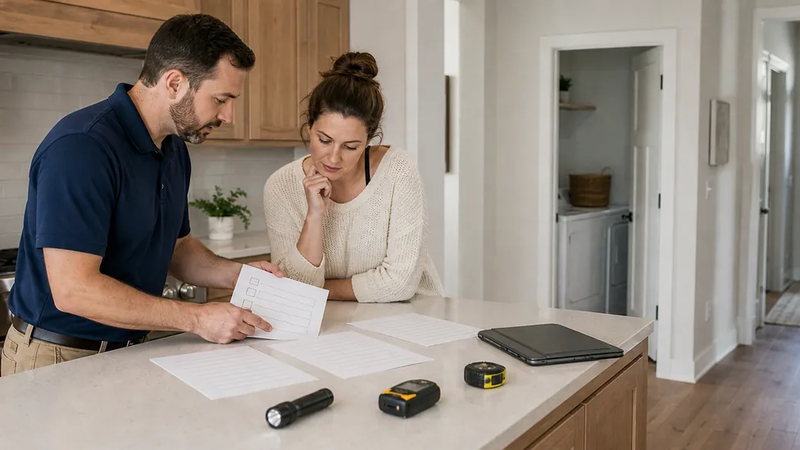
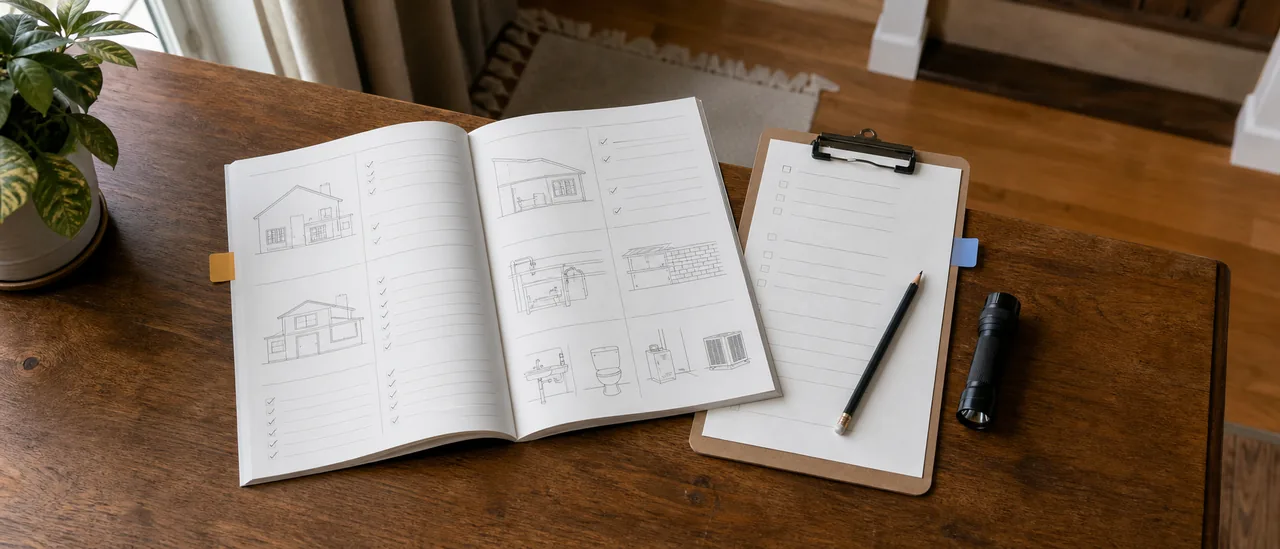
Start with issues described as unsafe, significantly deficient, not functioning properly, or needing further evaluation. Then read the full report. Photos and summaries are useful navigation tools, but the detailed entries explain location, observed condition, and recommended action.
Sort the findings into practical groups:
- urgent safety or active-damage concerns;
- specialist evaluations needed before a decision;
- repairs or maintenance that can be planned;
- inaccessible or excluded areas that remain unknown.
Ask the inspector to clarify report language, but do not expect a visual inspection to provide every diagnosis or repair price. The American Society of Home Inspectors’ standard excludes determining concealed conditions, causes, future failures, and correction costs. A qualified system specialist may need testing or invasive access to answer those narrower questions.
What happens in a purchase transaction
If an inspection contingency applies, the buyer may accept the property, request repairs or a credit, seek more information, or cancel as the contract permits. These are possibilities, not automatic rights in every sale. Deadlines, notice requirements, local law, and the exact contract control the available choices.
The Consumer Financial Protection Bureau notes that a seller may or may not agree to pay for repairs. It also explains that some loan programs can make major repairs a condition of financing, sometimes involving completion before closing or funds reserved for later work.
Keep requests focused on material decisions rather than treating the report as a wish list. Obtain specialist evaluation before assigning a repair scope when the inspector flags structural movement, electrical hazards, suspected leakage, combustion concerns, or another condition outside a general inspection’s limits.
Practical bottom line
The report is a decision document, not a warranty that everything was found. Read the observations and exclusions together, confirm contractual deadlines promptly, and obtain qualified evaluation only where an unresolved finding could change the purchase decision, repair request, or financing.