On this page
Start by comparing the evidence
When one inspector recommends repair and another recommends replacement, neither conclusion is automatically correct. Compare what each inspector observed, what was inaccessible, and which assumptions connect the findings to the recommendation.
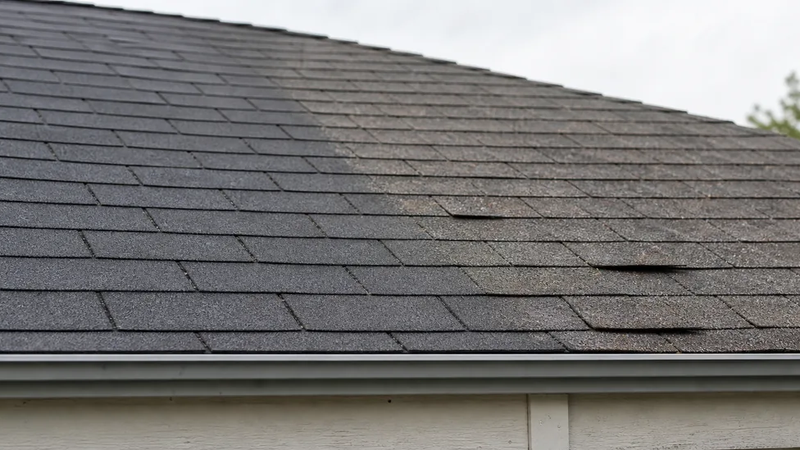
A repair recommendation usually means the inspector believes the problem is localized and the surrounding roof remains serviceable. Replacement usually means the observed problems appear widespread, recurring, or impractical to isolate. Those are conclusions about scope—not separate definitions of damage.
Ask for one comparable record
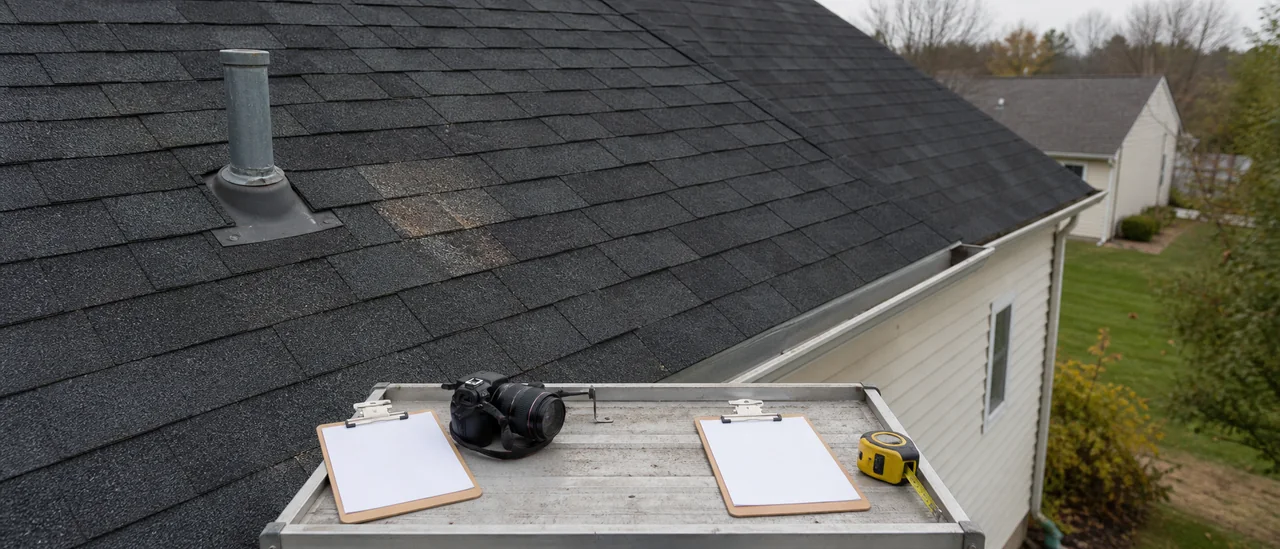
Have each inspector identify the affected roof areas on photographs or a roof diagram, list inaccessible areas, and state whether the recommendation covers the roof covering alone or also the deck, flashing, and drainage details.
Why qualified inspectors can disagree
Inspection conditions can change the available evidence. One inspector may walk a safely accessible roof and enter the attic, while another may view the covering from the ground or eaves. Dirt, snow, limited attic access, and roofing layers can also hide conditions.
The ASHI home-inspection standard requires inspection of roofing materials, drainage systems, flashing, skylights, chimneys, and penetrations. It also requires the inspection method to be described. However, that standard defines a home inspection around readily accessible, visually observable components.
Its general limitations are equally important: the inspection is not technically exhaustive and need not identify concealed conditions. The standard also does not require an inspector to determine remaining life, causes, correction methods, or future conditions. A specialized roof assessment may use a different scope, so the two reports may not be answering precisely the same question.
Compare the variables, not just the verdicts
Review the reports side by side for:
- Location and extent: Are the same slopes, penetrations, flashings, and attic areas documented?
- Observed condition: Do photographs show isolated defects or similar deterioration across multiple areas?
- Roof context: Did each report consider roof age, prior repairs, active leakage, and the condition of adjacent materials?
- Access and exclusions: Was the roof walked, and were the attic, deck underside, or concealed layers unavailable?
- Recommendation basis: Does the report explain why a repair should remain reliable or why replacement is necessary?
Surface observations cannot confirm every condition beneath the covering. Concealed deck conditions may change the final scope after removal begins, so both reports should state what remains unverified.
Practical bottom line
Choose the recommendation with the clearest evidence and the fewest unsupported assumptions. If the reports conflict materially, ask both inspectors to address the same photographs, areas, exclusions, and intended repair life in writing.
If the disagreement remains, a qualified independent roof evaluator can perform a defined follow-up inspection. The goal is not a third vote; it is a comparable scope that explains what can be repaired, what requires replacement, and what cannot be confirmed without opening the assembly.