On this page
The direct answer
Problems in a home inspection report do not automatically mean the home is unsafe or the purchase should end. Treat each finding as information to verify and prioritize before the inspection deadline. The practical response may be to accept it, seek a specialist’s evaluation, negotiate with the seller, or exercise a contractual cancellation right.
Separate conditions needing prompt safety or damage control from items needing more diagnosis, routine repairs, monitoring, or no action. Then check the report’s recommendation and your purchase contract before responding.
Why a report can reveal problems without settling them
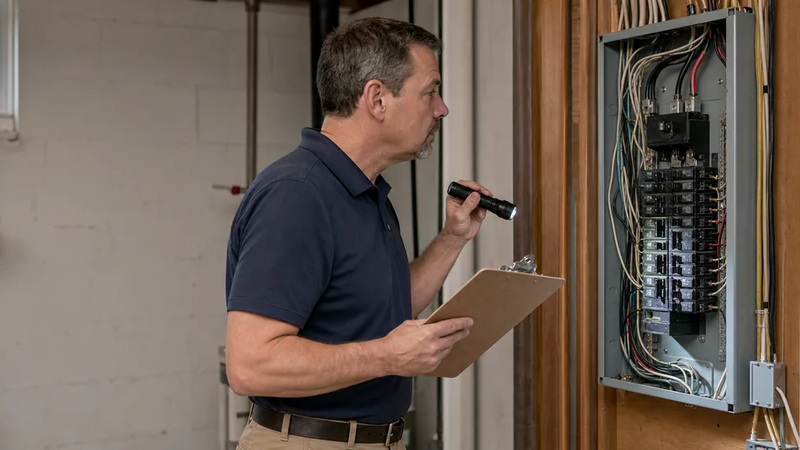
A general home inspection is a limited visual examination, not a guarantee or technically exhaustive diagnosis. Under InterNACHI’s Standards of Practice, it covers accessible areas and reports defects the inspector observed and considered material on the inspection date. The standard also says an inspection does not identify concealed or latent defects, predict future conditions, or decide whether buying the property is advisable.
That scope explains why a report may identify an indication—such as possible movement, moisture, or abnormal operation—without confirming its cause, repair method, or cost. Those questions may require testing, disassembly, records, or a qualified system specialist.
Sort the findings before deciding
Read the complete narrative, not only summary pages, colors, or severity labels. For each item, note its location, observed condition, stated implication, recommended action, and any limitation. Also identify systems that were inaccessible, shut down, or excluded.
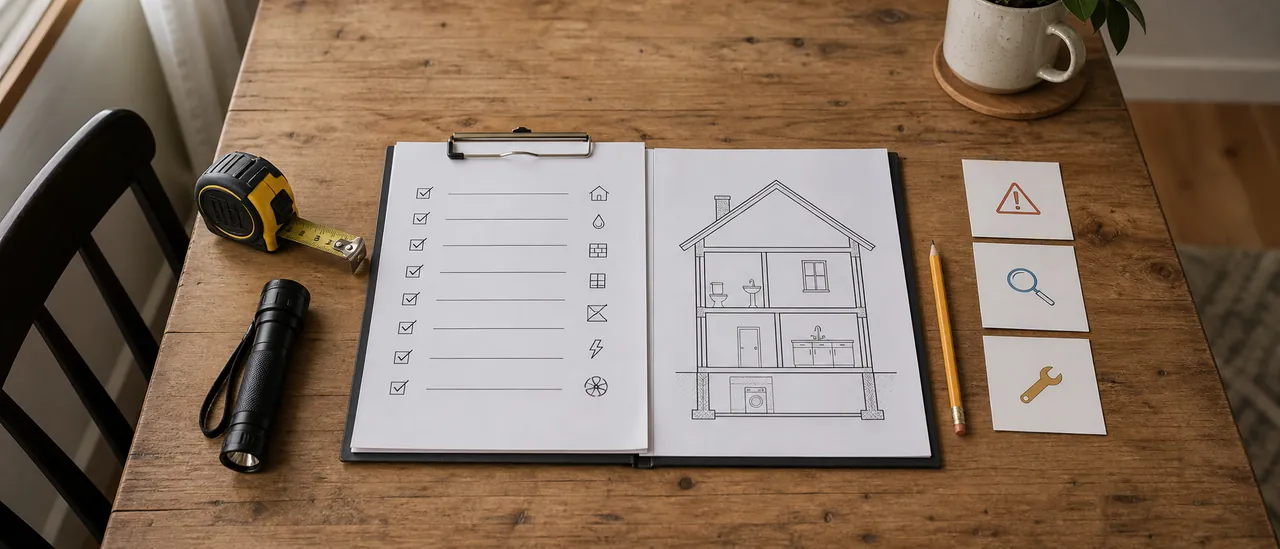
A useful first pass separates findings into:
- immediate safety concerns or active conditions that could worsen;
- conditions requiring specialist evaluation before their significance is known;
- repairs, replacement planning, or maintenance; and
- cosmetic observations or preferences.
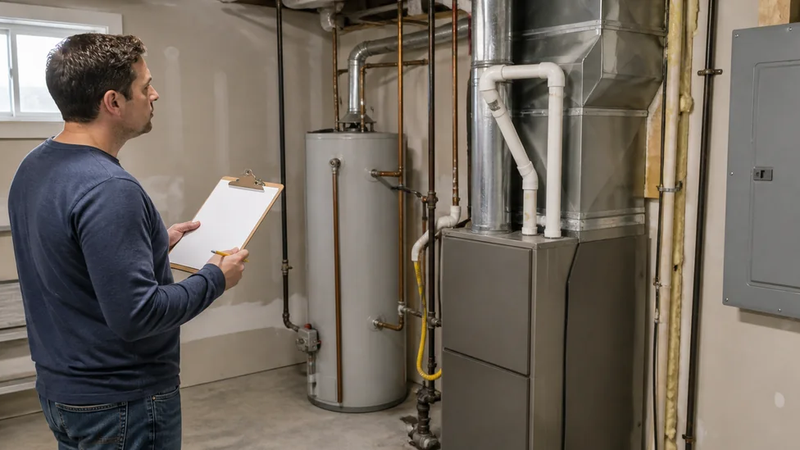
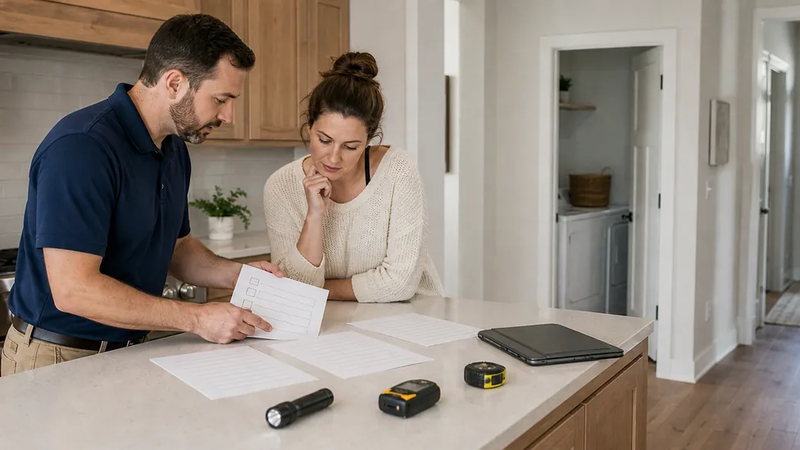
Ask the inspector to clarify unclear wording and what was actually observed. For a structural, electrical, plumbing, HVAC, roofing, environmental, or other specialized question beyond the inspection’s scope, obtain the relevant qualified evaluation before the contingency expires. Request written findings and, when needed for the decision, a repair scope or estimate.
Your transaction options depend on the contract
The report itself does not compel a seller to repair anything. CFPB guidance says a buyer may seek repairs or negotiate who pays, but the seller may not agree. Cancellation without penalty depends on having a satisfactory-inspection contingency and complying with its terms.
Review the inspection clause, notice method, deadlines, and any limits with the appropriate real-estate or legal professional. Decide using the verified condition, likely consequence, available remedy, and your tolerance for unresolved uncertainty—not the number of entries in the report.
Practical bottom line
A report that reveals problems is doing its job: documenting observed conditions for a decision. Focus first on safety, active damage, major uncertainty, and expensive systems. Confirm what the inspection could not establish, follow the contract precisely, and choose a response only after the important findings are understood.