On this page
What a home inspection report is
A home inspection report is the inspector’s written record of the home systems and components examined, the significant conditions observed, and any recommended correction, monitoring, or further evaluation. It matters because it turns a visual inspection on one date into an organized reference for property decisions.
Under the American Society of Home Inspectors (ASHI) Standard of Practice, an inspection covers installed systems and components that are readily accessible and visually observable. The report should also identify required items that were present but not inspected and explain why.
A report is a snapshot, not a guarantee
Conditions can change after the inspection. The standard inspection does not establish remaining service life, predict future failures, or provide a warranty. Its conclusions are limited by what was visible, accessible, installed, and operable at the time.
What the report typically includes
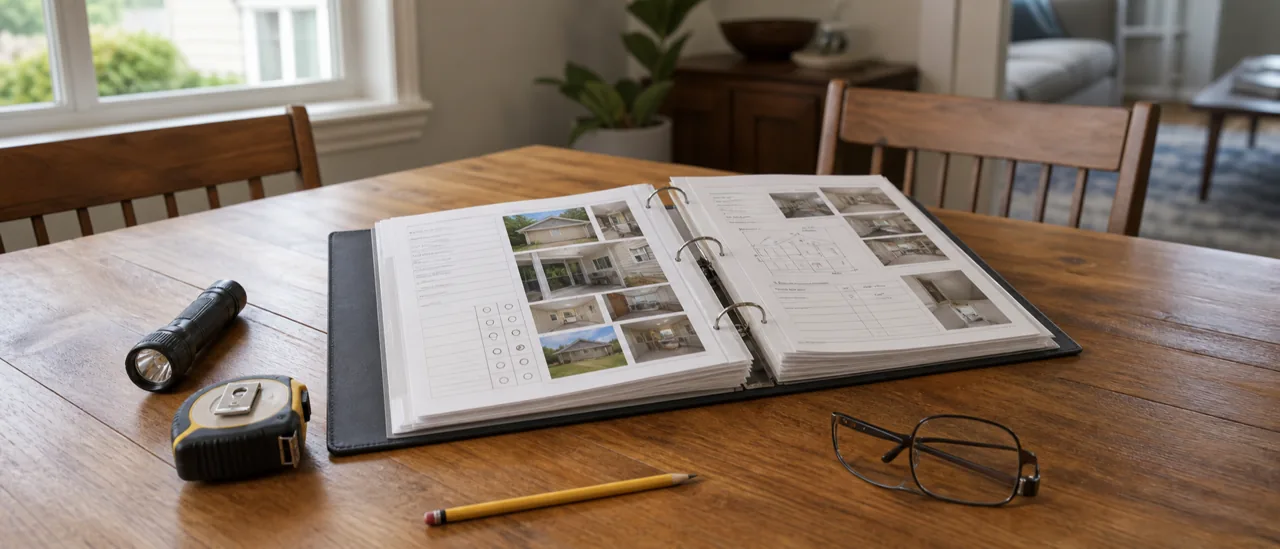
The exact format varies. Reports may use narratives, checklists, photographs, or summary sections, but the substance should follow the inspection agreement, applicable law, and the standard of practice named in the report.
A standard report commonly addresses:
- structural components, including the foundation and visible framing;
- roof coverings, drainage, flashing, and accessible roof structure;
- exterior walls, doors, decks, grading, and related components;
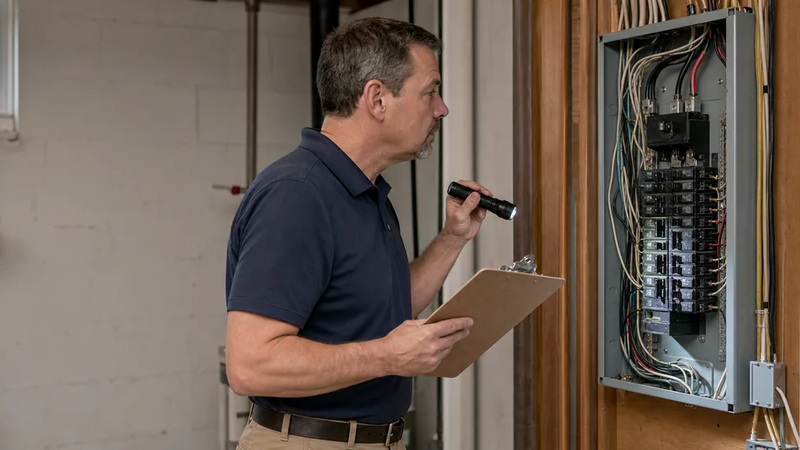
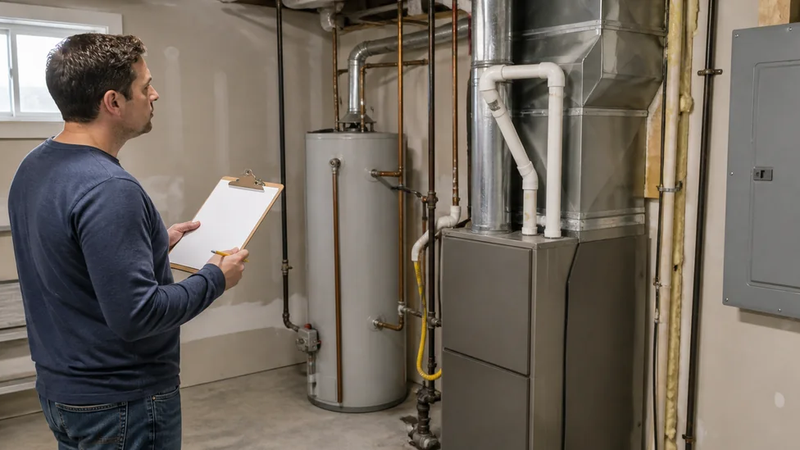
- heating, cooling, plumbing, and electrical systems;
- visible insulation and ventilation in accessible attics and unfinished spaces;
- walls, ceilings, floors, windows, doors, stairs, and railings;
- installed fireplaces and solid-fuel-burning appliances; and
- findings, explanations, recommendations, and documented access limitations.
ASHI requires reporting systems or components judged not to function properly, significantly deficient, unsafe, or near the end of their service lives. When a finding is not self-explanatory, the report should explain its nature. Recommendations may call for correction, monitoring, or evaluation beyond the home inspection.
What a visual report cannot confirm
A standard inspection is not technically exhaustive. Inspectors generally do not dismantle components, move furniture or stored belongings, open walls, or inspect underground items. Snow, insulation, finishes, locked areas, unsafe access, and shut-down equipment can also restrict what can be observed or operated.
The report therefore cannot rule out concealed or latent defects. Under ASHI’s standard, it also need not determine causes, repair methods or costs, code compliance, structural adequacy, efficiency, or future performance. Optional services and exclusions vary, so the signed agreement and report limitations deserve a careful read.
Practical bottom line
Read the entire report, not only its summary. Match each recommendation to the described location and condition, note every uninspected area, and ask the inspector to clarify unfamiliar language. When the report calls for further evaluation, use a qualified specialist for that system; the request means the question falls beyond what the visual home inspection could confirm.