On this page
The direct answer
A pre-listing inspection is a home inspection arranged before the property goes on the market, usually for the seller. It gives the client a written snapshot of observable conditions before listing decisions are made. It does not certify the home or replace every inspection a buyer, lender, insurer, or local authority may require.
The timing is what makes it “pre-listing.” The National Association of Realtors describes the term as having a home professionally inspected before it goes on the market. The underlying inspection remains a limited examination governed by the inspector’s agreement, applicable law, and stated standard of practice.
The report belongs to a point in time
Conditions can change after the inspection. A pre-listing report records what the inspector observed on the inspection date, along with areas that were inaccessible or excluded.
What a pre-listing inspection typically includes
Under the American Society of Home Inspectors’ standard, an inspector examines listed systems and components that are installed, readily accessible, and visually observable. The standard generally covers:
- structural components, including visible foundation and framing;
- exterior surfaces, grading and drainage that may affect the building;
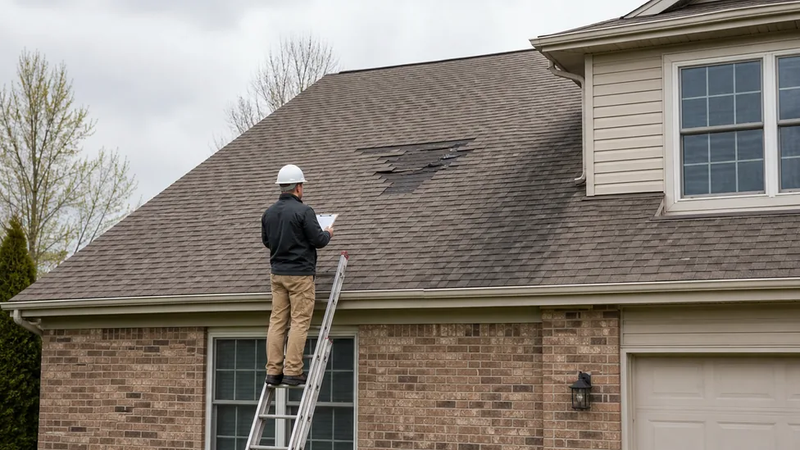
- roofing materials, drainage, flashing, and visible penetrations;
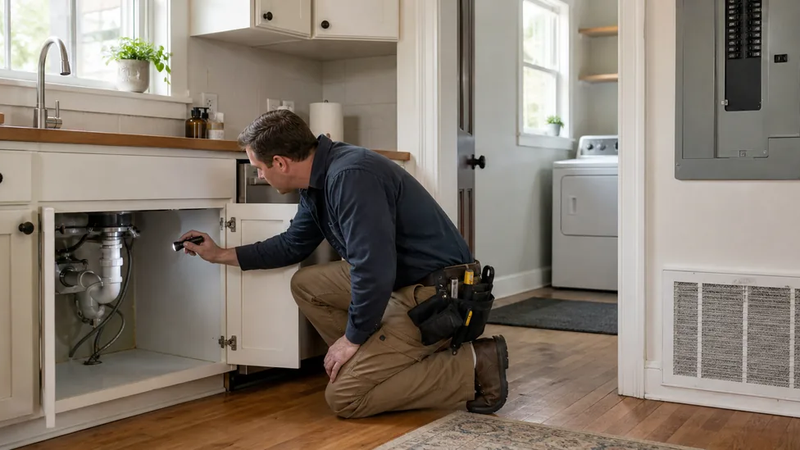
- interior plumbing, water heating, and visible fuel-distribution components;
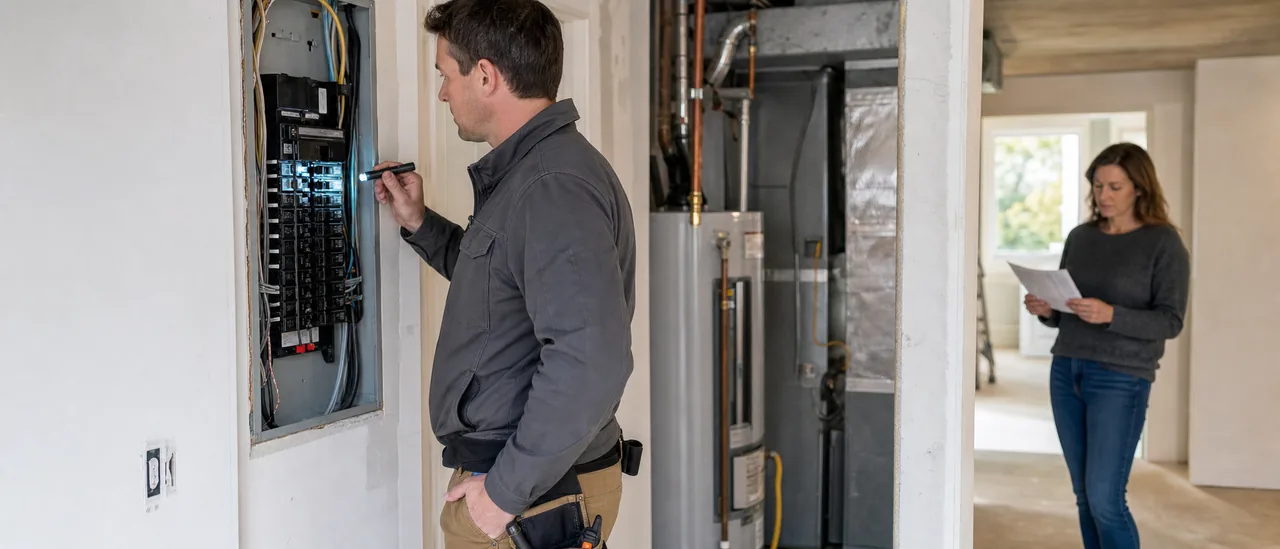
- the electrical service, panels, conductors, protection devices, and representative fixtures or receptacles;
- installed heating and central cooling equipment;
- walls, ceilings, floors, stairs, representative doors and windows, and specified built-in kitchen appliances;
- visible insulation and ventilation in unfinished spaces; and
- fuel-burning fireplaces and related visible venting components.
The report should identify inspected items that the inspector considers deficient, unsafe, not functioning properly, or near the end of service life. It should also note recommended correction, monitoring, or further evaluation and explain designated items that were present but not inspected.
What it does not confirm
A standard inspection is visual and not technically exhaustive. ASHI’s standard excludes concealed conditions and does not require an inspector to determine a defect’s cause, repair method or cost, future performance, code compliance, market value, or whether the property should be purchased.
Access and safety also change the result. Furniture, stored belongings, locked spaces, snow, unsafe roofs, shut-down equipment, and inaccessible crawlspaces can prevent observation. Environmental testing, sewer or septic evaluation, engineering analysis, and other specialty work are outside a general inspection unless separately included.
Practical bottom line
Before scheduling, compare the inspector’s agreement and standard of practice with local licensing rules and the property’s features. Confirm which structures, systems, testing, and report-delivery terms are included. If the report identifies a condition beyond a visual inspection—or the transaction raises disclosure questions—obtain the specified system-specialist evaluation and local legal or real-estate document review before relying on the report.